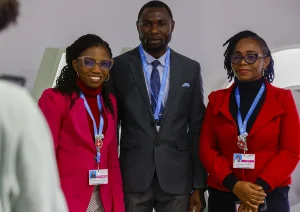
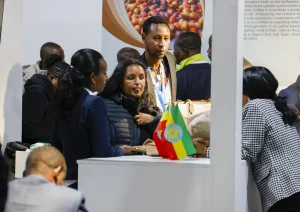
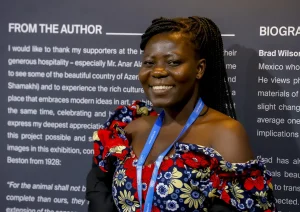
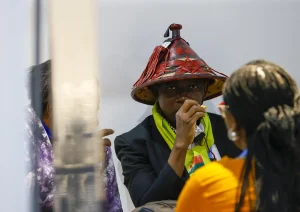
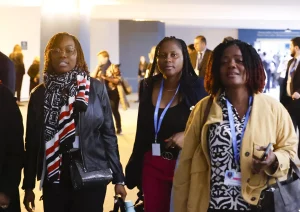
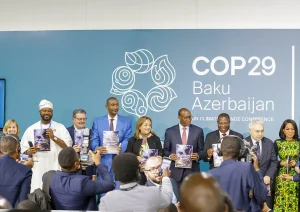
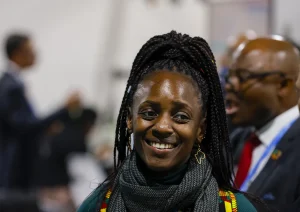
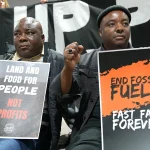
WITH the world’s largest climate conference, COP29 convening in Baku, Azerbaijan, African youth climate activists at the conference said the event offered a platform for them to share their objectives and vision.
According to the activists, COP 29 provides a platform for them to advocate for the issues affecting the continent amidst the urgent environmental and climate challenges affecting their communities.
From food security to climate resilience, these young leaders are at the forefront of amplifying the pressing issues that shape their lives and future.
“This is a very profound opportunity for me… I think the biggest role for me in this critical time, being a member of the civil society, is to try and put pressure or try and redirect some of the conversations we’re having,” Shampi Anna Gakuna, a Kenyan climate activist stated in an interview with bird.
“I love the side events that are here at COP because we get to discuss critical issues, and sometimes we even do an analysis of what’s going on in the negotiation rooms. It is also an opportunity for me to represent my own community and just make a positive contribution overall,” she added.
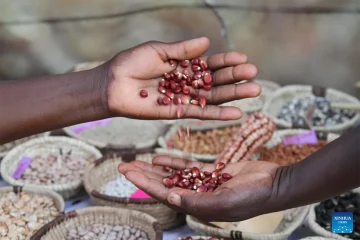
There is also no shortage of young Africans out to highlight the myriad impacts of climate change on their communities. For her part, Mulenga Mukanu, a climate activist and educator, said she believes that true climate resilience starts with empowering local farmers to rely on indigenous seeds rather than imported hybrids that are ill-suited to Africa’s climate.
“The reason that brought me to COP, basically, is to question issues surrounding the hybrid seeds…if you look at these seeds, they are not climate resilient,” she explained.
Christine Awuor Ogola, another climate activist, said this year’s COP should be different, offering “not just promises, but also in the implementation aspect.”
“We had the Loss and Damage Fund being proposed and being implemented. But how effective is it? I really want to see how practical this COP can get in terms of just getting the policy from the paper to the implementation part,” she explained.
Ogola hopes more young people get involved in the policy-level process of climate change advocacy.
“We see so many young people as activists, young people as advocates. But how well do they know the policy space, how well are they there in terms of judicial making processes? Are there, young negotiators as well? I really hope in the next COP to see more young negotiators.”