Our website use cookies to improve and personalize your experience and to display advertisements (if any). Our website may also include cookies from third parties like Google Adsense, Google Analytics, and Youtube. By using the website, you consent to the use of cookies.

Cameroon’s sacred and royal animals: could literature and futures thinking help save them?

Cameroon’s sacred and royal animals: could literature and futures thinking help save them?

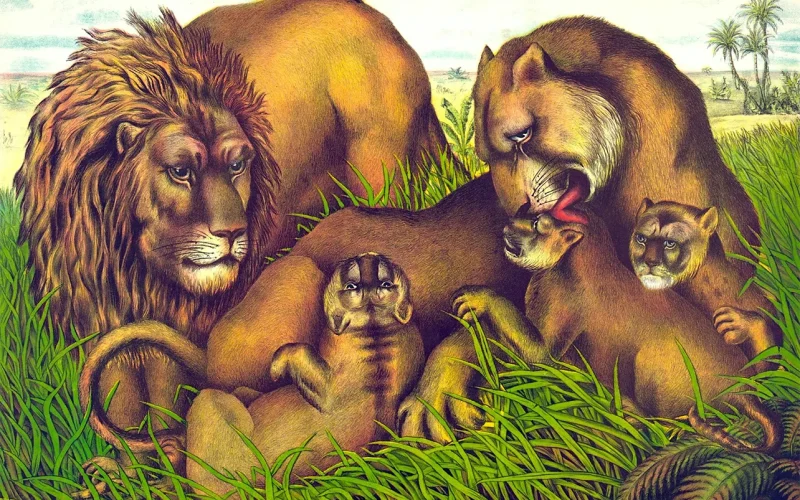
IN the grasslands and highlands of western Cameroon, some animals are believed to be sacred. Within the region’s indigenous kingdoms (fondoms), many of these animals are also considered to be royal. They include wild cats (like cheetahs, leopards, lions), buffaloes, elephants, porcupines, cowries (sea snails), and a brightly coloured bird called the Bannerman’s turaco. These species carry deep cultural and spiritual significance. They are, for example, often used to decorate royals (kings, queens, and queen mothers) or to award royal distinctions to deserving individuals. Their body parts can be used to make crowns, bedding, footstools, bangles, or necklaces for royalty.…
Read More
6 African thinkers who help us understand the world – new book

6 African thinkers who help us understand the world – new book

WHO counts as an intellectual? In many traditions, the figure of the intellectual is tied to the search for truth, social critique, and public engagement. From the Dreyfus Affair (a political scandal in 1894 in France that mobilised writers and thinkers to defend justice) to postcolonial debates, intellectuals are those who intervene in society, not just to interpret the world, but to challenge it. In the African context, this role takes on particular urgency. Intellectuals on the continent and in the diaspora have long navigated a complex terrain shaped by colonial legacies, political constraints, and global inequalities. They are not…
Read More
Cape Fever: a haunting new novel from award‑winning South African writer Nadia Davids

Cape Fever: a haunting new novel from award‑winning South African writer Nadia Davids

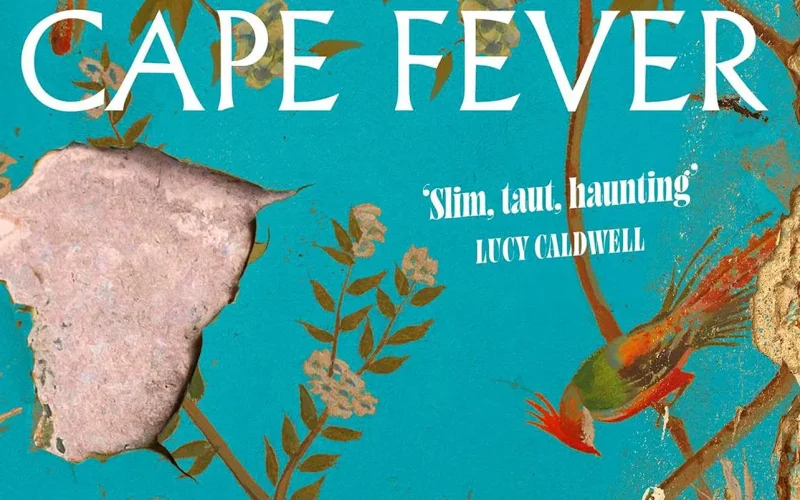
THERE’S a line in Cape Fever, the new book by award-winning South African novelist and playwright Nadia Davids, that doesn’t just establish the story, it also makes a haunting promise: But small house, big house, smells or no smells, this is much the same: that in the city you will come to know a person by two things: what’s inside their house, and the house’s way with the wind. The remark gestures towards the invisible forces moving through both houses and history. Just as a building’s “way with the wind” reveals how it stands in relation to its surroundings, Davids…
Read More
Africa’s intellectual exile networks and archive get a boost from new writing

Africa’s intellectual exile networks and archive get a boost from new writing

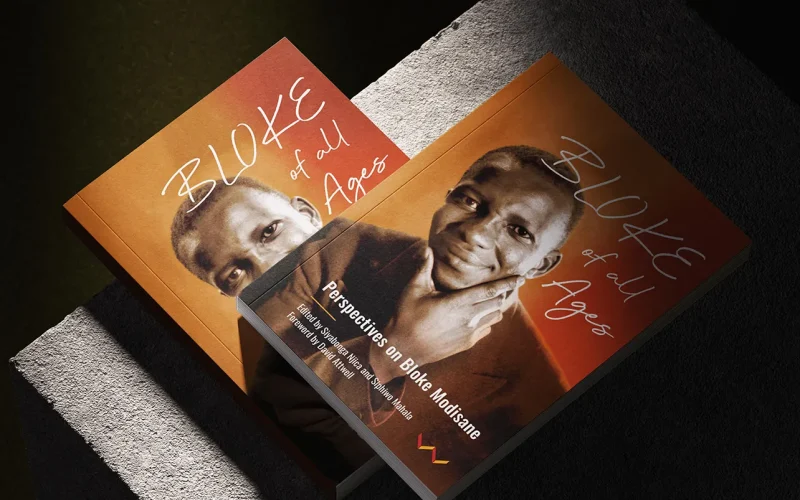
FRAGMENTS of Bloke Modisane’s life have long been scattered across continents - from radio scripts in London to correspondence in international private collections. Yet his later career is largely absent from the South African record or intellectual conversation. For decades, Modisane’s story, made famous in his autobiography ‘Blame Me on History’ seemed to end abruptly in 1959, the year he left apartheid, South Africa, for exile. That narrative is now being challenged. A new book, ‘Bloke of All Ages: Perspectives on Bloke Modisane,’ edited by Siyabonga Njica and Siphiwo Mahala, revisits his life and work, revealing a far more expansive…
Read More
Memory is not to be trusted: a South African memoir traces the search for a family secret

Memory is not to be trusted: a South African memoir traces the search for a family secret

SOUTH AFRICAN-BORN literary scholar Dennis Walder recently published an evocative life story called Amid the Alien Corn: A Son’s Memoir. In it, he tracks how, even as a child, he became aware that his mother Ruth was withholding something of herself and her past from him. This disquiet comes to a head after her death. The book paints a rich and entertaining description of Walder’s childhood and young adulthood. He grew up near Cape Town in the 1940s and 1950s with his Namibian-born, German-speaking mother and estranged Swiss-born father. But, as you read, this shifts to a single-minded quest to…
Read More
Windhoek’s Old Location was a place of pain, but also joy – new book

Windhoek’s Old Location was a place of pain, but also joy – new book

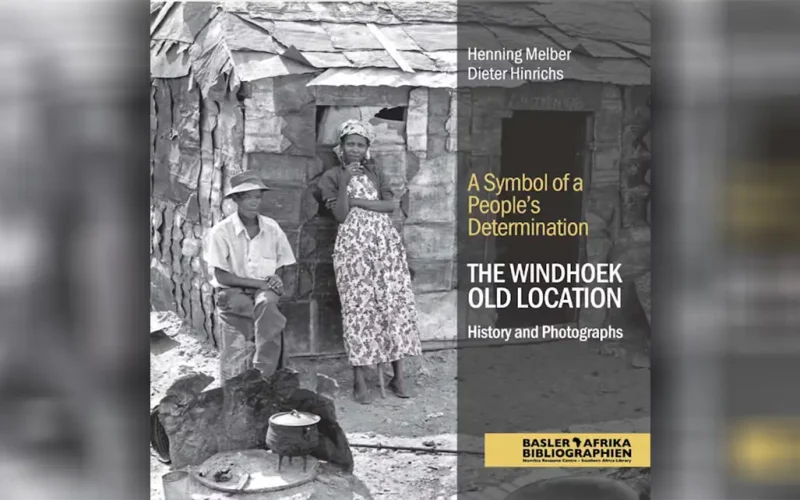
ALL that’s left of a famous settlement called the Old Location in Windhoek, Namibia, is a graveyard and a monument to remember the residents who were killed while protesting their forced removal in 1959. But a new open source book documents how the spirit and culture that drove resistance are kept alive by those who lived there. After the Old Location massacre, the national liberation movement Swapo would be founded to fight for independence. The Windhoek Old Location tells the residents’ stories with historical images by Dieter Hinrichs and words by Henning Melber. We asked Melber more about the site.…
Read More
BBC has a long history in Africa. New book offers a critical take on the broadcaster

BBC has a long history in Africa. New book offers a critical take on the broadcaster

THE British Broadcasting Corporation (BBC) established its first radio transmitter sites in Africa in the 1930s, to reach the British colonies and beyond. It became a model for radio in Africa and later a model for TV news. But, almost a century on, what is the BBC’s colonial legacy and how does the public broadcaster serve a post-colonial media space? We asked the editors of a new book, called The BBC’s Legacy in Africa: Continuities and Change, about their study. What was the BBC’s colonial operation all about? The BBC was established in 1922. Within a few years, it became…
Read More
African novels are being translated to English in a bold new trend. We review Ignatius Mabasa’s The Mad

African novels are being translated to English in a bold new trend. We review Ignatius Mabasa’s The Mad

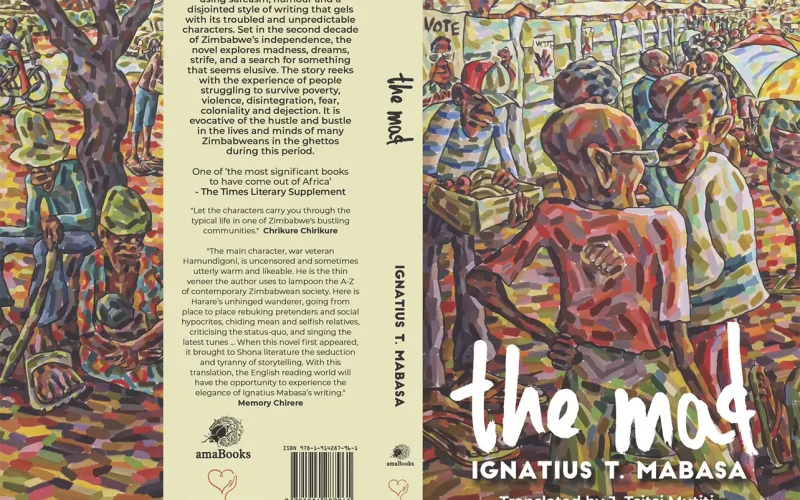
WHEN it comes to African literature, translation has mostly meant translating work from European languages into African ones. Translation from African languages into English has been long overdue. Now it appears that a shift in the movement of stories across languages is underway. Works first written and published in African languages are increasingly being translated into English for a broader readership. As a scholar of African literature and publishing, I am optimistic about the launch of a new book series called African Language Literatures in Translation by the University of Georgia Press. The series is edited by US-based literary scholars…
Read More
Sex workers in colonial Senegal were policed by France – book explores a racist history

Sex workers in colonial Senegal were policed by France – book explores a racist history

DESIRING Whiteness is an award-winning book by historian Caroline Séquin. It explores the intertwined histories of commercial sex work and racial politics in France and the French colonial empire, particularly in Senegal. We asked her five questions about her study. How was sex work regulated in France? A new system controlling commercial sex developed during Napoleon’s Consulate in the early 1800s. It was first implemented in Paris, then across France. Known as regulationism, it tolerated, rather than banned, commercial sex. But under specific conditions. It licensed brothels, so long as the women who sold sex (it was assumed men didn’t)…
Read More
Abdulrazak Gurnah: searching for signs of Zanzibar’s most famous writer, all I found was trinkets and tourists

Abdulrazak Gurnah: searching for signs of Zanzibar’s most famous writer, all I found was trinkets and tourists

ZANZIBAR has long been an island of arrivals for traders, sailors, slaves and, more recently, waves of tourists. I arrived as a wedding guest and a reader of the Zanzibar-born novelist Abdulrazak Gurnah, in search of the literary and emotional landscapes that shape his fiction. For a week, I was part of the tourist economy of this East African island, passively complicit in its curated pleasures. For all its beautiful images on social media, Zanzibar is a site of difficult memory. It was once a central node in the Indian Ocean slave trade, so its past is carved into the…
Read More