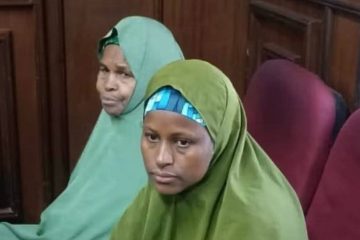
DAWN broke over Gidan Sama village with the familiar sounds of roosters crowing and children’s laughter floating through the morning air. Amina stirred the pot of jollof rice over the outdoor fire, while her daughter Aisha swept the dusty courtyard with a palm frond broom. It was meant to be like any other morning in their quiet corner of Sokoto state.
The villagers had grown accustomed to the distant sounds of conflict – the occasional rumble of military vehicles, the far-off crack of gunfire that reminded them of the ongoing battle against the bandits who plagued their region. They had learned to live alongside the fear, finding strength in their tight-knit community and daily routines.
“The military protects us,” the village elder had assured them repeatedly during community meetings. “We must support them in their fight against those who would harm us.” And they did, sharing what information they could about suspicious movements, strange faces in the marketplace, and unusual activities in the bush.
But on this morning, the whine of jet engines carried a different tenor. Before anyone could make sense of the approaching sound, the world erupted. The ground shook as the first explosion tore through the morning calm, followed quickly by another. Smoke and debris filled the air where homes had stood moments before.
Amina found herself lying in the dirt, ears ringing, the pot of rice upturned beside her. Through the chaos, she heard Aisha screaming, “Mama! Mama!” The sound of her daughter’s voice gave her the strength to push herself up, to stumble through the thick smoke toward the cries.
In the aftermath, as the dust settled and the jets disappeared into the distance, the village gathered their dead and wounded. Neighbours helped neighbours, binding wounds with torn clothing, carrying the injured to whatever shelter remained. The bitter irony was not lost on them – they had become casualties of the very forces meant to protect them.
Hours later, when government officials arrived to survey the damage, they found a community in mourning but not broken. The village imam led prayers for the dead while survivors shared what little food and water remained. Women comforted each other’s children, and men worked together to salvage what they could from the rubble.
“We understand it was a mistake,” the village elder told reporters quietly, his weathered face streaked with tears and soot. “But understanding does not bring back our dead or rebuild our homes. We have always supported the fight against terrorism, but today, we became its unintended victims.”
As night fell over the village, small fires dotted the landscape where families gathered, sharing meals and stories, finding solace in their unity. In the distance, military vehicles could be heard, but the sound no longer carried the same reassurance it once did. The villagers knew that tomorrow they would begin rebuilding, as they had done so many times before – not just their homes, but their trust in those sworn to protect them.
Amina held Aisha close as they sat with neighbours around a small fire. “We are still here,” she whispered to her daughter. “We are still strong.” Above them, stars emerged in the darkening sky – the same sky that had brought such devastation hours before, now offering its gentle light to those below, as if in apology for the morning’s tragic mistake.