THE morning sun cast long shadows across Zakka village in Nigeria’s Katsina state when the first shots rang out. Bandits, bold and ruthless, had descended upon the police base, their gunfire shattering the peace of what should have been an ordinary Saturday. When the dust settled, two policemen and a brave vigilante lay dead, their sacrifice marking yet another chapter in the region’s endless struggle against lawlessness.
But fate had a crueller twist in store for Zakka that day.
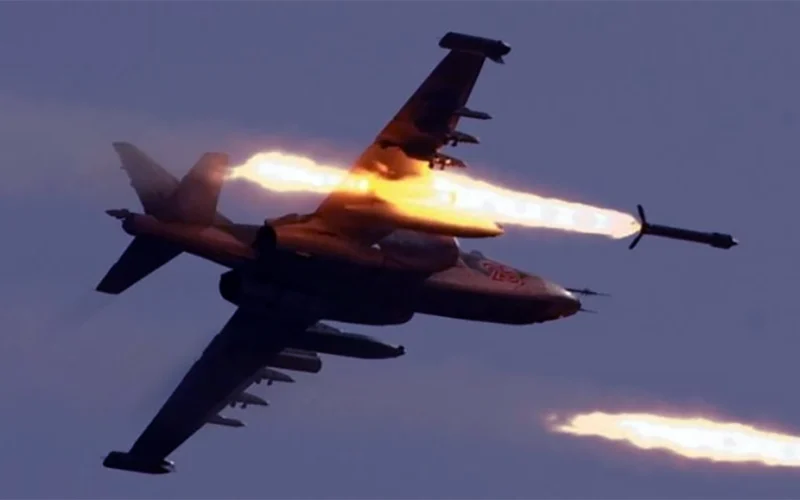
Hours after the bandits had melted back into the wilderness, the distinctive roar of a military jet echoed across the sky. For the villagers, the sound usually meant protection – a guardian angel of steel and fire. On this day, however, that same guardian would become an unwitting harbinger of devastation.
On the outskirts of Zakka, where a cluster of humble huts stood against the harsh northern landscape, a family went about their daily routines, perhaps still processing the morning’s violence. They couldn’t have known that high above, through the cold calculus of combat, their homes had been mistaken for a bandit hideout.
The bomb fell with terrible precision.
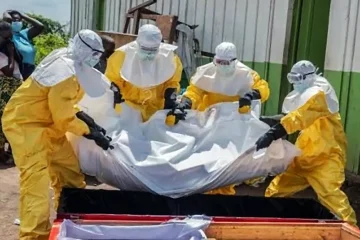
“We had to collect their body parts in bags for burial,” recalled Muntari Sada, his voice heavy with the weight of bearing witness. Six lives – an entire family – obliterated in an instant of misguided judgment. Some observers, including Amnesty International, would later put the death toll even higher, at ten souls lost.
This tragedy in Zakka joins a haunting litany of similar mistakes across northern Nigeria. Just months earlier, in Zamfara state, sixteen vigilantes fell to friendly fire. Before that, in Sokoto, ten villagers perished when their homes were mistaken for jihadist positions. The wounds of Kaduna still bleed fresh in the nation’s memory – eighty-five dead, mostly women and children, in a strike that turned a religious gathering into a massacre.
Each incident writes its own chapter in a book of unintended consequences, where the line between protector and destroyer blurs in the fog of a complex conflict. The military’s silence in response to these events speaks volumes, a testament to the difficult balance between fighting insurgency and protecting the very citizens they’ve sworn to defend.
For the people of northern Nigeria, the sky has become a source of both hope and fear. Every jet engine’s roar carries with it the question: Will this be protection, or will this be Rann all over again, where 112 displaced persons seeking refuge found death instead?
As night fell over Zakka, the village gathered to bury their dead. In bags and shrouds, they laid to rest not just bodies, but their unshakeable faith in the certainty of safety. Above them, the same sky that had delivered such sorrow turned orange and purple – beautiful and terrible, like power itself.
In the days that followed, Amnesty International’s call for an “impartial, transparent and immediate investigation” would echo across the nation. But for the people of Zakka, no investigation could rebuild their shattered homes or return their loved ones. Their story joins the growing anthology of similar tragedies – a reminder that in the war against bandits and terrorists, the hardest casualties to bear are often those inflicted by one’s own defenders.