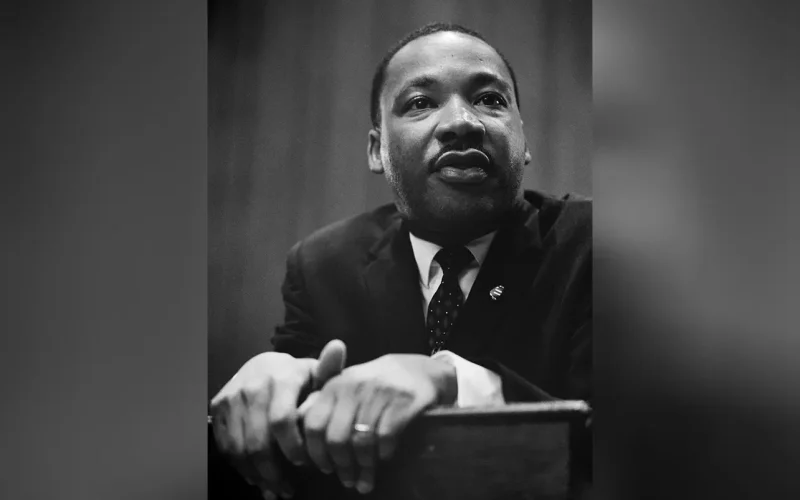
IN a move that has sent shockwaves through American politics and civil rights communities, President Donald Trump has unleashed a documentary avalanche – more than 230,000 pages of federal records that have remained locked away for nearly sixty years. The files, detailing the assassination of Dr. Martin Luther King Jr. and the government’s sprawling surveillance apparatus that stalked America’s most revered civil rights leader, now sit exposed to public scrutiny like never before.
The decision represents far more than administrative housekeeping. It’s a seismic political gambit that has ripped open old wounds, ignited fresh controversies, and forced America to confront the darkest chapters of its recent past.
The Bombshell Decision
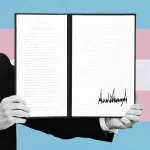
Trump’s executive order didn’t just declassify documents – it detonated decades of carefully maintained secrecy. Originally scheduled for gradual release through 2027, the files were instead dumped into the public domain in one massive data breach of government opacity. The president’s justification was elegantly simple: withholding these records “no longer serves the public interest.”
But the simplicity of that statement belies the complexity of what followed. This wasn’t just transparency – it was political theatre on a grand scale, designed to project an image of a president willing to confront the establishment’s deepest secrets.
DNI Tulsi Gabbard framed it in sweeping terms: “The American people have waited nearly sixty years to see the full scope of the federal government’s investigation into Dr. King’s assassination. Under President Trump’s leadership, we are ensuring that no stone is left unturned.”
Yet critics see something far more calculated – a strategic distraction from contemporary political battles, wrapped in the seductive rhetoric of truth-telling.
A Family’s Anguish
The response from Dr. King’s surviving family has been both heartbreaking and illuminating. Martin Luther King III and Bernice King didn’t celebrate this supposed victory for transparency. Instead, they pleaded for “empathy, restraint, and respect for our family’s continuing grief.”
Their words cut to the heart of a profound moral dilemma: when does the public’s right to know override a family’s right to dignity? The King children understand better than anyone that their father was subjected to what amounted to a government-sponsored persecution campaign. J. Edgar Hoover’s FBI didn’t just investigate Dr. King – they tormented him, wiretapped his most intimate moments, and orchestrated a relentless campaign of psychological warfare.
Now, decades later, that same government apparatus has chosen to make those invasions public, forcing the King family to relive their trauma in the harsh light of contemporary political calculation.
The family’s plea reveals the cruel irony at the heart of this release: documents that chronicle the government’s violation of Dr. King’s privacy are now being used to violate that privacy all over again.
What the Files Reveal: A Portrait of Paranoia
The newly released documents paint a chilling portrait of a government consumed by paranoia and willing to deploy its vast surveillance apparatus against one of America’s greatest moral leaders. The revelations are as stunning as they are disturbing:
The Surveillance State in Full Display: The files expose the breathtaking scope of FBI operations against Dr. King. Wiretapped phone calls, bugged hotel rooms, planted informants—the bureau constructed an entire architecture of surveillance around the civil rights leader. The documents reveal not just the mechanics of this operation, but its obsessive, almost pathological character.
Internal Doubts and Suppressed Questions: Perhaps most explosively, the files show that even within the FBI, some agents harboured serious doubts about the lone gunman theory. Internal memos reveal agents questioning whether James Earl Ray acted independently, recommending an investigation into possible accomplices—investigations that were apparently shelved or minimised.
International Intrigue: The CIA’s involvement in tracking Ray internationally suggests the assassination triggered a massive intelligence operation spanning multiple countries. The cooperation with Canadian and British authorities hints at concerns about foreign involvement that have never been fully explained.
The Conspiracy That Wouldn’t Die: The files contain extensive documentation of conspiracy theories, witness testimonies that were never fully pursued, and leads that were marked “investigated, no further action.” These gaps in the historical record have provided fresh ammunition for those who believe Ray was part of a larger plot.
Most disturbingly, the documents reveal internal government discussions about managing public narratives and discrediting certain lines of inquiry—evidence that the cover-up may have been as extensive as the original surveillance.
Political Calculations and Unintended Consequences
Trump’s decision to release these files carries profound political implications that extend far beyond historical curiosity. By positioning himself as the president willing to confront government secrecy, Trump has claimed the mantle of transparency champion—a powerful narrative in an era of deep institutional distrust.
But the move has also backfired in unexpected ways. Rather than generating universal praise, the release has exposed Trump to criticism from civil rights leaders who see the declassification as a cynical political stunt that prioritises spectacle over respect for Dr. King’s legacy.
Rev. Al Sharpton’s response was particularly cutting, characterizing the release as politically motivated rather than justice-seeking. The civil rights community’s opposition reveals how Trump’s attempt to claim the transparency high ground has instead highlighted his administration’s often fraught relationship with civil rights advocates.
The Conspiracy Theory Wildfire
The files have already begun fueling the very conspiracy theories that Dr. King’s family feared. Social media platforms are buzzing with amateur detectives parsing FBI memos, and professional conspiracy theorists are having a field day with the documented gaps in the original investigation.
This presents a dark irony: documents that were meant to provide closure may instead perpetuate endless speculation. The files raise as many questions as they answer, providing just enough ambiguity to sustain decades more of conspiracy theorising.
The 1999 civil trial brought by the King family, which found evidence of a broader conspiracy, now appears prescient rather than fringe. The declassified files seem to validate many of the family’s longstanding concerns about the official narrative.
A Nation Confronting Its Shadows
Ultimately, the MLK files release forces America to confront uncomfortable truths about its recent past. The documents provide undeniable evidence that the federal government deployed its most intrusive surveillance tools against a peaceful advocate for racial justice. They show that the same institutions charged with protecting American democracy were actively working to undermine one of its most important voices.
The release also highlights the ongoing tension between transparency and privacy, between the public’s right to know and a family’s right to grieve in peace. It reveals how historical truth can be weaponised for contemporary political purposes, and how the quest for answers can sometimes generate more confusion than clarity.
As researchers, journalists, and amateur historians pore over these 230,000 pages, one thing is certain: the conversation about Dr. King’s assassination, government surveillance, and American democracy has been fundamentally altered. Whether that alteration serves truth, justice, or merely political theatre remains to be seen.
But in Trump’s America, where truth itself has become a contested political battlefield, the MLK files represent something more than historical documents—they’re weapons in a larger war over who controls the narrative of American history. And in that war, as Dr. King’s family knows all too well, there are rarely any true winners.