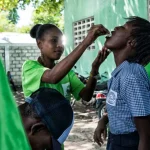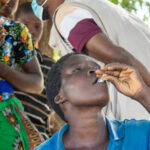
UNITED Nations aid teams have launched a critical cholera vaccination campaign in Sudan’s conflict-ravaged Darfur region, as the deadly outbreak continues to claim lives across the war-torn nation, with children bearing the heaviest burden.
The cholera crisis, which began in July 2024 in Kassala state, has now spread to all 18 of Sudan’s states, registering more than 113,600 cases and claiming over 3,000 lives – a case fatality rate of 2.7 percent that health officials describe as “concerning.”
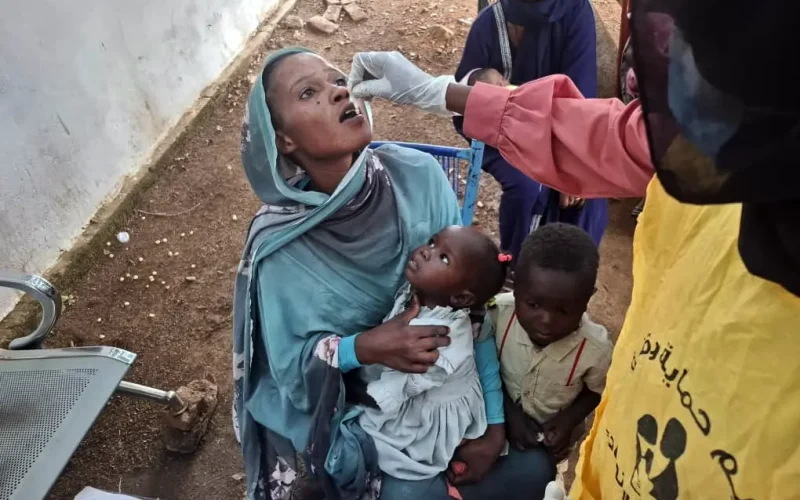
“The biggest challenge in launching the campaign was to actually get the vaccines there,” said Hala Khudari, the World Health Organisation’s Deputy Representative to Sudan, speaking from Port Sudan on Tuesday. The vaccination drive, which began last Sunday after weeks of logistical preparations, aims to protect 1.86 million people in six priority localities across the Darfur states.
The outbreak has been particularly devastating for Sudan’s youngest victims. At least 380 children under five have died from the disease, according to UNICEF spokesperson Ricardo Pires, who described children as “disproportionately affected” by the crisis.
In the hardest-hit areas of West Darfur, the case fatality rate has soared as high as 11.8 percent – far exceeding the one percent threshold that WHO considers indicative of “serious gaps in case management and delayed access to care.”
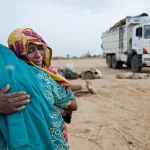
The cholera resurgence has been fueled by a perfect storm of factors: heavy rains and flooding, severe overcrowding in displacement camps, and critically limited access to clean water and sanitation. The crisis has been compounded by nearly two and a half years of devastating conflict between the Sudanese army and the paramilitary Rapid Support Forces.
“More than 70 percent of hospitals in conflict-affected areas are non-operational, with health centres being damaged or destroyed during the conflict,” Pires said, highlighting how the ongoing war has crippled Sudan’s ability to respond to the health emergency.
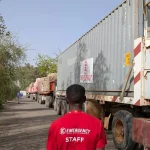
The vaccination campaign faces enormous logistical hurdles, with aid workers navigating “long routes” to deliver life-saving immunisations through areas where roads are impassable due to both the rainy season and ongoing security concerns. Teams successfully delivered vaccines and supporting supplies to Nyala in South Darfur state earlier this month, with preparations underway to launch the campaign in Tawila, North Darfur State, by the end of September.
Tawila hosts more than 575,000 internally displaced people, most of whom have fled the besieged city of El Fasher, making the vaccination effort there particularly critical.
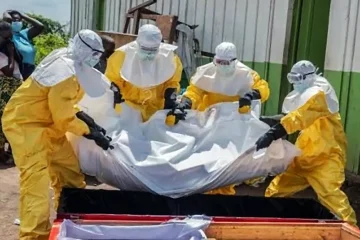
The cholera bacterium spreads through contaminated food and water and can kill within hours if left untreated. In Sudan, the disease has found fertile ground in displacement sites where families have been cut off from safe water supplies due to what UNICEF describes as “relentless” attacks on the country’s power and water infrastructure.
As of Monday, the Darfur region alone had reported 12,739 cholera cases and 358 deaths across more than half of all localities in the five Darfur states, with case numbers continuing to rise despite severe access constraints hampering the humanitarian response.
The WHO and UNICEF are working together to deliver the vaccines, but the campaign represents just the beginning of what health officials acknowledge will be a long battle to control the outbreak in a country where basic services have been decimated by conflict and millions of people lack access to clean water and adequate healthcare.