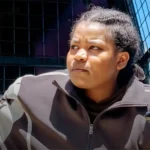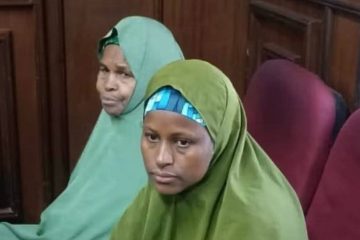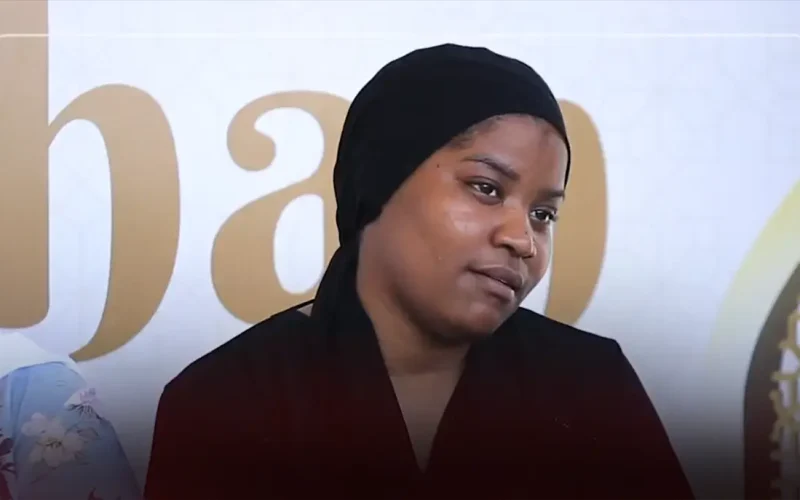
A Tanzanian cosmetics entrepreneur who spent more than two weeks in prison on treason charges for posting a dance video on social media has been released after prosecutors withdrew their case, though more than 140 others remain in custody facing similar charges.
The Director of Public Prosecutions in Tanzania on Wednesday withdrew the treason case against Jenifer “Niffer” Jovin and co-accused Mika Lucas Chavala, with Senior Resident Magistrate Aaron Lyamuya ordering their immediate release after State Attorney Titus Aron confirmed the decision.
Niffer was arrested following unrest tied to Tanzania’s disputed October 29 election. Prosecutors alleged she encouraged youth to prepare for protests through a viral TikTok dance that sampled President Samia Suluhu Hassan’s voice and urged followers to buy tear gas protection masks from her cosmetics shop.
The charge of treason carries the death penalty in Tanzania.
Mass Arrests Follow Disputed Election
Niffer is among approximately 607 people released from an estimated 2,045 arrested during and after protests surrounding the October election, in which Hassan claimed victory with 98 percent of the vote. The two main opposition candidates were barred from running.
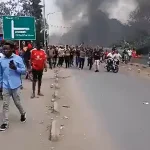
More than 240 people have faced treason charges in connection with the protests, including teenagers as young as 16. Court documents describe allegations of a coordinated conspiracy to intimidate the executive branch and obstruct the election through property damage.
President Hassan ordered the Director of Public Prosecutions to review cases last month, describing herself as a “mother and guardian” and suggesting many arrested youth had “simply followed the crowd.” Officials have indicated that approximately 1,736 of those arrested are expected to be released, leaving more than 140 still facing court proceedings.
Death Toll Disputed
The protests resulted in significant loss of life, though the exact death toll remains contested. The opposition Chadema party claims between 1,000 and 2,000 people were killed. The Catholic Church in Tanzania has confirmed hundreds of deaths.
Human rights organisations report that security forces removed bodies from hospitals and streets, transporting them to undisclosed locations. A CNN investigation documented police shooting unarmed protesters and found satellite evidence of possible mass graves north of Dar es Salaam.
Two journalists were killed during the election period. Master Tindwa of Clouds Media was shot at his home in Temeke, and Kelvin Lameck Mwakangondya of Baraka FM was killed while on duty in Mbeya on election day.
The Catholic Church condemned the killings in stark terms, with Archbishop Jude Thaddaeus Ruwa’ichi stating that Tanzania “has lost its dignity” and that such acts “are a disgrace before God.”
International Observers Reject Election Results
The African Union’s observer mission concluded the election did not comply with democratic principles, citing ballot stuffing, an internet shutdown, excessive military force, and politically motivated abductions. Hassan was sworn in at a military parade ground rather than in a public stadium as tradition dictates.
Opposition leader Tundu Lissu, who survived 36 assassination attempts in 2017, had been imprisoned on treason charges since April for his “No Reforms, No Election” campaign. Human rights organisations documented 52 enforced disappearances in the 25 days before the election.
Hassan Blames Foreign Interference
President Hassan has rejected international criticism, claiming in a recent address that foreign actors orchestrated the violence. Without providing evidence, she alleged that young protesters were paid by coordinators funded from abroad as part of a plot to topple her government.
“Who are you?” Hassan demanded of foreign critics. “Do they still think they’re still our masters, our colonisers? Why, because of the little money they give us?”
Family Members Appointed to Cabinet
Following the disputed election, Hassan reshuffled her cabinet to include family members in senior positions. She appointed her daughter Wanu Hafidh Ameir as Deputy Minister of Education and her son-in-law Mohamed Mchengerwa as Minister of Health. Reports indicate her brother-in-law controls the Finance Ministry, while a family friend now heads the Defence Ministry.
The appointments break with 60 years of Tanzanian political tradition, under which presidents refrained from appointing family members to cabinet positions.
Growing International Isolation
The United States has issued travel warnings for Tanzania and expressed “deep concern” over reports of the mistreatment of activists. Two U.S. senators called the election results “less than credible.” European Parliament members are pushing to block aid to Tanzania. The UN human rights chief has called for investigations into the killings.
The UK Foreign Office has advised against all but essential travel to Tanzania, citing shortages of food, fuel, and cash compounded by internet restrictions.
Religious leaders have called for reconciliation. Bishop Benson Bagonza of Tanzania’s Evangelical Lutheran Church warned that treason charges would deepen divisions, stating that “the only option for the government to keep at least the relative peace now is to grieve with the people instead of arresting and taking people to court.”