A coalition of eight Arab and Islamic nations has issued an urgent appeal for immediate, unrestricted humanitarian access to Gaza, warning that severe winter weather has exposed the catastrophic fragility of conditions for nearly 1.9 million displaced Palestinians living in inadequate shelters.
The joint statement from the foreign ministers of Qatar, Jordan, the United Arab Emirates, Indonesia, Pakistan, Turkey, Saudi Arabia, and Egypt represents a significant multilateral pressure campaign on Israel to lift constraints on aid delivery as heavy rainfall, storms, and plummeting temperatures compound an already dire humanitarian emergency.
Crisis Reaches Breaking Point
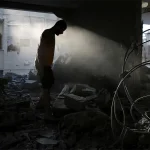
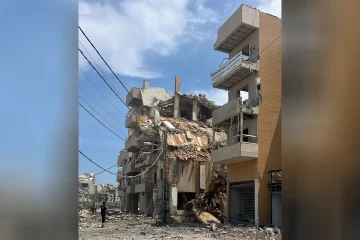
The ministers painted a grim picture of conditions on the ground: flooded refugee camps, collapsed tents, damaged buildings buckling under severe weather, and mass exposure to cold temperatures among populations already weakened by malnutrition. The convergence of these factors has dramatically escalated risks of disease outbreaks, particularly threatening children, women, the elderly, and medically vulnerable populations.
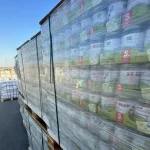
The coalition identified acute shortages of life-saving supplies and pointed to systemic barriers preventing the entry of essential materials needed to rehabilitate basic services and establish even temporary housing. The slow pace of aid delivery, coupled with unstable winter conditions, has created what the ministers characterise as an untenable situation requiring immediate international intervention.
Demands and Diplomatic Strategy
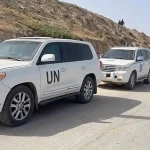
The eight-nation bloc issued specific demands targeting Israel as the occupying power. They called for the immediate lifting of all constraints on the entry and distribution of critical supplies, including tents, shelter materials, medical assistance, clean water, fuel, and sanitation support. The ministers emphasised that humanitarian aid must flow into Gaza fully and without interference from either party, channelled through UN agencies.
Significantly, the statement also demanded the opening of the Rafah Crossing in both directions and the rehabilitation of infrastructure and hospitals—measures framed as essential to any credible early recovery effort.
The coalition leveraged recent diplomatic frameworks to bolster their position, reaffirming support for UN Security Council Resolution 2803 and referencing President Trump’s Comprehensive Plan as vehicles for ensuring ceasefire sustainability, ending the war, and creating a pathway toward Palestinian self-determination and statehood.
International Accountability
The ministers directed sharp criticism at any attempts to impede UN operations, particularly targeting potential restrictions on UNRWA and international NGOs. They commended these organisations for operating under extremely difficult circumstances but warned that their ability to function in a sustained, predictable, and unrestricted manner is non-negotiable.
The statement invokes both legal and moral responsibilities of the international community, positioning the crisis as a test of global humanitarian commitment. By framing Israel’s role explicitly as that of an occupying power with corresponding obligations under international law, the coalition stakes out clear legal ground for its demands.
Strategic Implications
This coordinated statement from eight nations spanning the Arab world, Turkey, and major Muslim-majority nations like Indonesia and Pakistan signals growing regional impatience with the pace of humanitarian response. The inclusion of both traditional mediators like Qatar and regional powers like Saudi Arabia suggests an emerging consensus that diplomatic pressure must escalate.
The timing—amid brutal winter conditions that strip away any remaining buffer for Gaza’s displaced population—adds urgency to demands that have been issued repeatedly throughout the conflict. By highlighting how weather has “laid bare the fragility” of humanitarian conditions, the coalition underscores that this is not merely a policy dispute but a crisis with immediate life-or-death implications.
The statement’s emphasis on early recovery efforts, including durable shelter provision, indicates the coalition is looking beyond immediate emergency response toward longer-term stabilisation—a shift that may signal expectations of extended international engagement regardless of how military operations evolve.
The Human Cost
Behind the diplomatic language lies a humanitarian catastrophe affecting 1.9 million people, the vast majority displaced from their homes and living in conditions that offer virtually no protection from the elements. The combination of conflict-related destruction, chronic aid shortages, malnutrition, and now severe winter weather has created a perfect storm of vulnerability.
The coalition’s warning about disease outbreaks among already weakened populations points to a secondary crisis brewing within the primary humanitarian emergency. Without immediate action on shelter, sanitation, clean water, and medical supplies, the death toll may climb not from violence but from preventable illness and exposure.
As winter deepens and diplomatic frameworks remain contested, the eight-nation coalition’s statement serves as both an urgent humanitarian plea and a strategic attempt to consolidate international pressure. Whether it translates into meaningful change on the ground for Gaza’s besieged population remains the critical question.