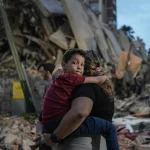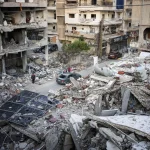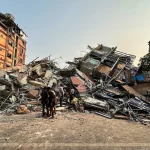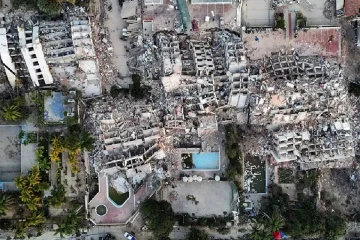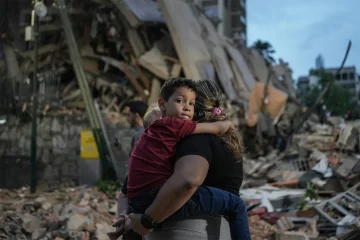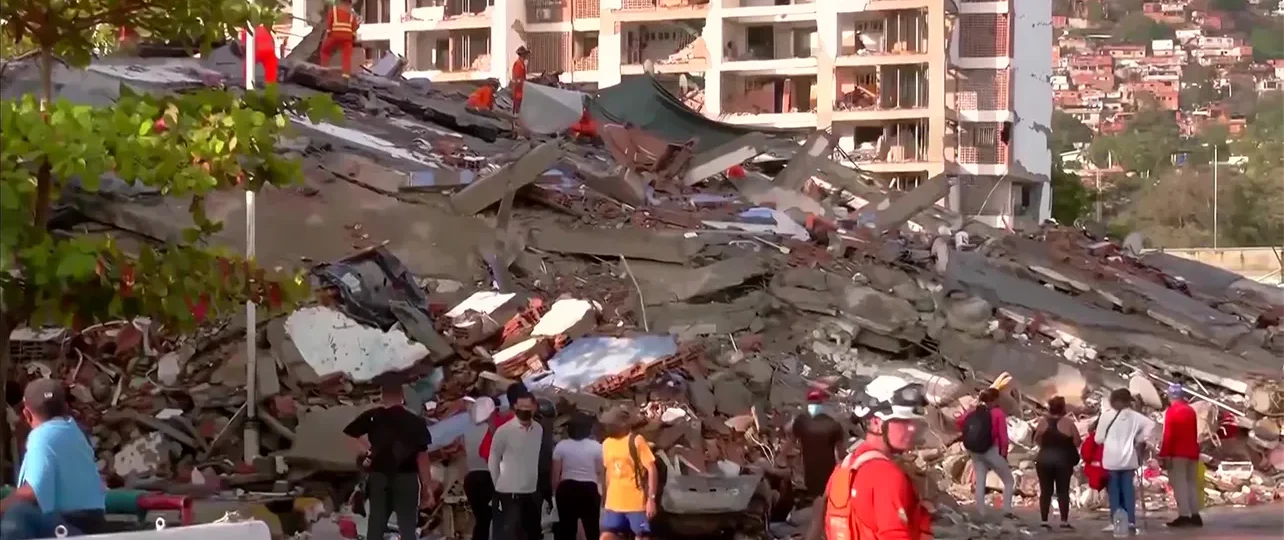

AS search and rescue operations continue in Venezuela, thousands of displaced people are struggling to find shelter while infectious diseases threaten to spread, according to UN humanitarians.
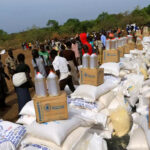
Six days after powerful earthquakes struck central-northern Venezuela, Carlotta Wolf, a spokesperson for the UN Refugee Agency (UNHCR) told reporters in Geneva that in La Guaira, the hardest-hit state, “food shortages are widespread”.
“Basic services have broken down and connectivity has been largely severed,” she said, adding that community tensions are rising as access to assistance remains constrained.
Wolf explained that in the aftermath of a massive disaster such as this one, “there is panic… people want to have access to aid as soon as possible”.
A rapid needs assessment conducted by UNHCR at the end of last week across La Guaira, the Capital District, Miranda, Aragua, and Carabobo states showed that half of those surveyed are staying with neighbors or relatives while “39 per cent are living in streets and public spaces, and others in churches, schools, or improvised facilities,” Wolf said.
“These improvised shelters do not meet the minimum protection standards… for privacy, safe spaces and basic levels of hygiene and comfort,” she insisted.
The UNHCR spokesperson also expressed concern about the fact that “17 per cent of those surveyed reported the presence of unaccompanied and separated children in their communities.”
As of Monday, Venezuelan authorities confirmed 1,719 fatalities, at least 5,034 people injured and 15,866 people affected or displaced, UNHCR said.
“Health services are under extreme pressure now,” said Christian Lindmeier, spokesperson for the World Health Organization (WHO), with the surge in trauma cases exceeding the capacity of health facilities.
WHO-verified data from Saturday on 21 health facilities across Caracas, La Guaira, Miranda and Falcón indicate that three are “in critical condition,” six have structural damage or are partly functional, “and the rest remain operational under significant strain,” he said.
Lindmeier warned of “chaotic service delivery and patient flow, marked by overcrowding, growing surgical backlogs… [a] breakdown in biosafety measures, and severely stressed staff.”
He also highlighted “critical gaps” including the collapse of forensic and morgue services, as well as inadequate casualty registration and tracking of missing persons.
“There’s an increased risk now of outbreaks of vaccine-preventable diseases, such as measles, diphtheria, pertussis, as well as yellow fever and other vector and waterborne diseases, including dengue, chikungunya, Zika, oropouche and malaria,” he warned.
The WHO spokesperson also pointed to an “elevated health risk” for the displaced due to low vaccination coverage pre-earthquake and the currently limited access to vaccines.
Lindmeier further explained that several healthcare workers in La Guaira remain missing, including those responsible “for the entire maternal care pathway in the area” – creating a critical gap in obstetric care.