SAMUEL RITHOLTZ and REBECCA BUXTON
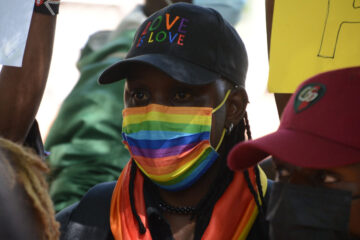
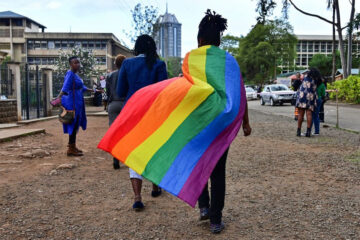
IN the autumn of 2018, a ‘rainbow caravan’ of LGBT+ migrants from central America reached the Mexico-U.S. border, where they applied for asylum. In this group were 30 transgender women who requested asylum together at the border in Tijuana. Though a group, they were treated as individuals: some won their asylum cases, others lost.
Such separation is common within the U.S. asylum system, and globally because refugee status is normally decided on an individual basis. Exceptions are made to this rule for families and married couples, where refugee status decisions and resettlement are possible on a group basis. But these group-based privileges are seldom enjoyed by LGBT+ refugees, because their families and partnerships are not normally recognised in the asylum processes.
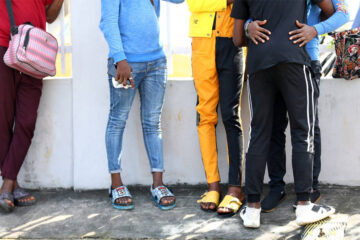
The LGBT+ migrants in the rainbow caravan said they left the main caravan of migrants heading to the U.S. because of abuse from other migrants. Having fled homophobic and transphobic violence in their home countries, their vulnerabilities continued. Self-segregation has long been utilised as a protective practice by members of gay, bisexual and trans communities, who find support from each other.
An unfortunate reality for many LGBT+ people is that they cannot always rely on their biological family or community. Often, these are the very people that they flee to escape.
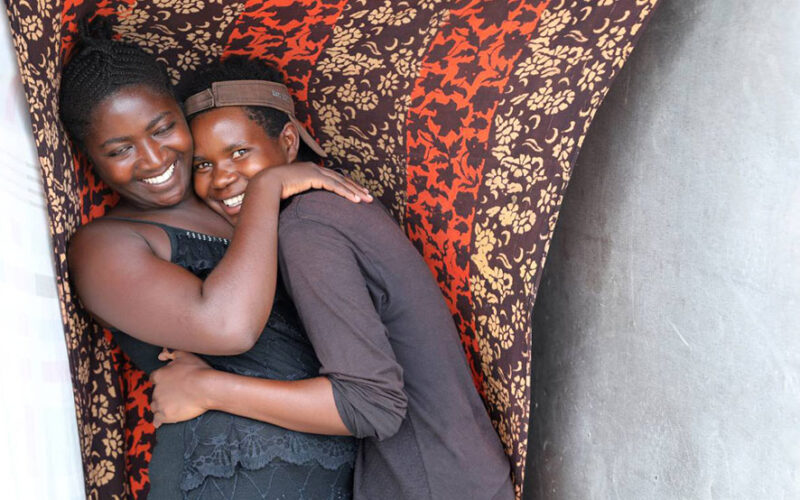
In the face of family rejection, gay, bisexual and trans people instead learn to rely on each other. These relationships are known as “chosen family” and its everyday practice looks similar to “traditional” notions of family.
In reports covering those waiting for safe passage from Mexico to the U.S., journalists noted how LGBT+ migrants acted just like a family — cooking for one another, brushing each other’s hair and providing support that anyone would hope to get from their close relatives.
When a chosen family becomes a refugee’s main source of support, it is no wonder that these units would want to seek protection together. Should they receive asylum, it is likely that they will continue to rely on each other as any family would in a new land.
In recent decades, the global refugee protection regime has become more LGBT-inclusive. It has begun to accept applications from individuals fleeing homophobic and transphobic violence.
However, as noted, the U.S. asylum system treats LGBT+ asylum seekers as individuals without family. Most will not be fortunate enough to receive asylum.
Those groups that are accepted into the asylum system will be separated and sent to different detention centers, where they will lose access to technology. These supportive LGBT+ family units are thus dispersed throughout the country where they can only communicate by letter— that is, if they know the locations of the others at all.
The broader global refugee protection regime is not fit in its current form to accept LGBT+ refugees as people – people whose success depends on their abilities to form relationships and rely on community, as well as family.
These universal needs are already recognised by states who value families as a central source of support for refugees by facilitating refugee family reunion. If we continue to exclude the new families that LGBT+ refugees create, we risk compounding and exacerbating the injustice and harm that they face.
If the impetus for keeping a family together is so that they can provide mutual support and improve the likelihood of survival in a new state, then for the LGBT+ refugee, their chosen family should be honored and protected as well.
A new, inclusive approach to refugee protection is required.
International organisations like the UNHCR, the United Nations’ refugee agency, should be at the vanguard of this change, by issuing new guidelines or general comments for a system that properly accounts for the unique vulnerabilities of displaced LGBT+ people and the families they create together.
Meanwhile, LGBT+ advocates within states that accept refugees should challenge their governments to practice inclusion by expanding their family-related advocacy to incorporate LGBT+ refugees.