Our website use cookies to improve and personalize your experience and to display advertisements (if any). Our website may also include cookies from third parties like Google Adsense, Google Analytics, and Youtube. By using the website, you consent to the use of cookies.

Why cities must put nature at the heart of their recovery

Why cities must put nature at the heart of their recovery

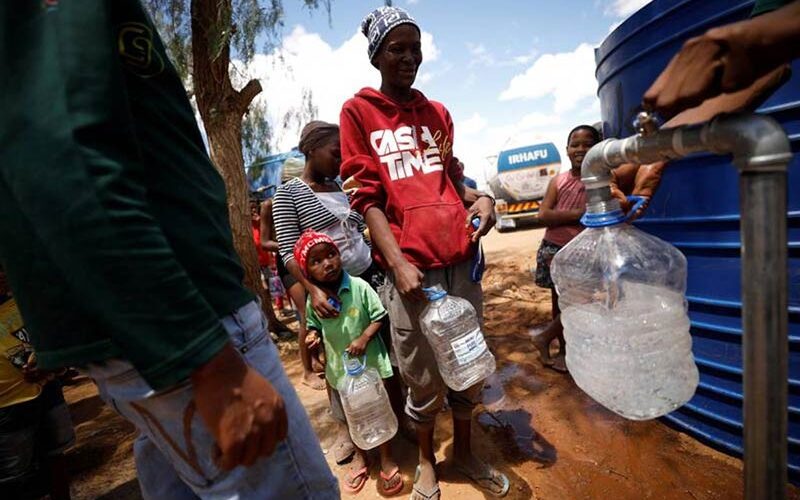
LOUISE SCHOLTZ COVID-19 and the ensuing lock-down regulations have not affected everyone equally. Residents living in dense informal settlements lack access to clean water, do not have adequate space to self-distance and isolate, and are disproportionately affected by job losses and food insecurity. The current health crisis has heightened the urgency of addressing the systemic, underlying causes of exclusion, unemployment, and poverty across the countries, but specifically in cities.  Whilst the immediate response to the pandemic has rightly focussed on challenges relating to the health and wellbeing of people, we now need to plan for recovery and future resilience that…
Read More
‘I know your favourite drink’: Chinese smart city to put AI in charge

‘I know your favourite drink’: Chinese smart city to put AI in charge

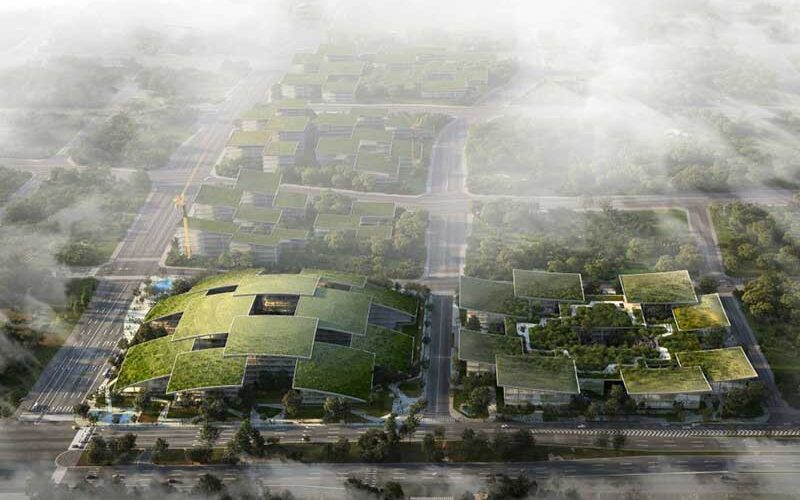
UMBERTO BACCHI FROM robots delivering coffee to office chairs rearranging themselves after a meeting, a smart city project in China aims to put artificial intelligence in charge, its creators told a conference this week - raising some eyebrows. Danish architecture firm BIG and Chinese tech company Terminus discussed plans to build an AI-run campus-style development in the southwestern Chinese city of Chongqing during an online panel at Web Summit, a global tech conference. The project named Cloud Valley, plans to use sensors and wifi-connected devices to gather data on everything from weather and pollution to people's eating habits to automatically…
Read More
Left vacant by COVID-19, can offices become homes to fix housing shortages?

Left vacant by COVID-19, can offices become homes to fix housing shortages?

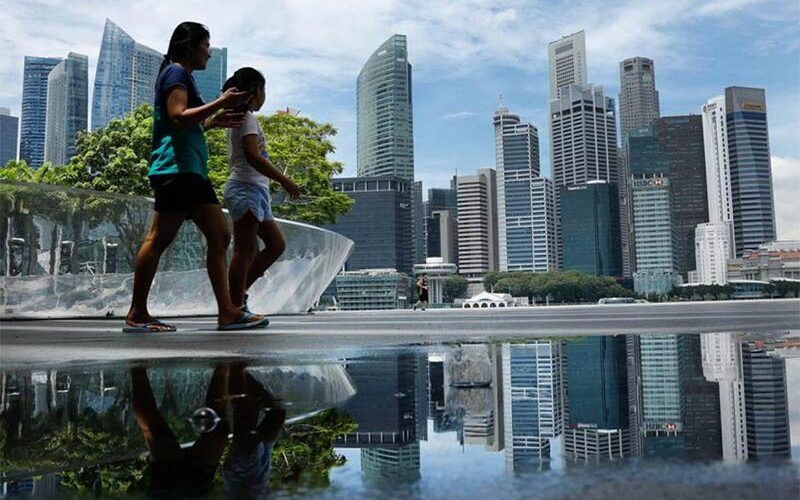
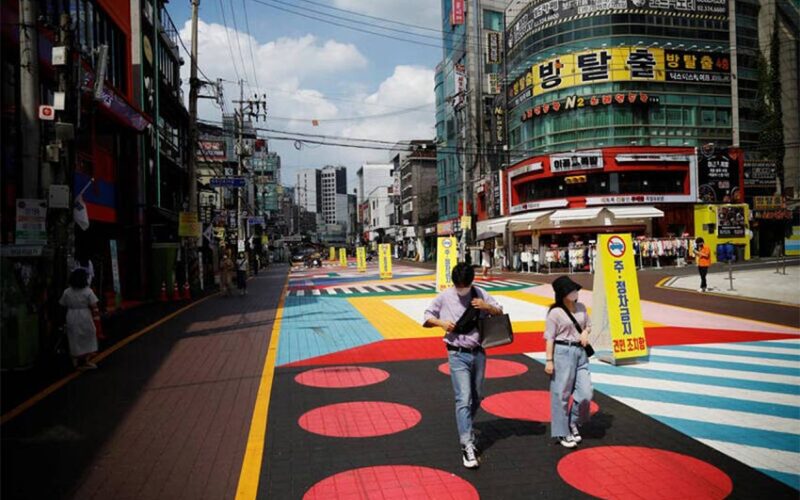
RINA CHANDRAN THE coronavirus pandemic has increased pressure on governments to address shortages in housing and allowed authorities more freedom to convert empty offices, urban experts said on Tuesday. Last month, the South Korean government said it will add 114,000 homes for public housing within the next two years by buying empty hotels and offices and converting them into residences. Singapore is pushing a plan to redevelop old offices in its central business district (CBD) with new incentives for converting excess car park spaces into residences, shops, restaurants and indoor farms. "Governments and developers across the region are looking at converting commercial…
Read More
More parks, fewer offices? How the coronavirus will change city centres

More parks, fewer offices? How the coronavirus will change city centres

RINA CHANDRAN THE novel coronavirus has upended many aspects of life in cities worldwide, particularly as large numbers of white-collar workers choose to work from home and shun public transit - shifts that are likely to last, according to urban experts. This will have an enormous impact on city centres and central business districts (CBD) that have typically been the economic hubs and main generators of income for cities. What is the future of city centres and CBDs, and how will cities adapt? Here are some views. MONO TO MIXED USE The South Korean government has said it will buy…
Read More
Empty offices to co-living: Five ways cities tackled housing crises in 2020

Empty offices to co-living: Five ways cities tackled housing crises in 2020

JOE TABARY FROM affordable home shortages to ongoing evictions during the pandemic, the past year has laid bare worsening housing crises around the world. Armed with digital title deeds and empty offices, here are some of the ways cities sought to tackle those challenges in 2020: EMPTY OFFICES THE coronavirus pandemic has increased pressure on governments to address shortages in housing and allowed authorities more freedom to convert empty offices.  Nearly four out of five chief executives expect the pandemic to entrench remote working, according to accountancy firm PwC, and various companies, like Twitter, have already said that some of…
Read More
Future or fantasy? Senegal questions ‘Akon City’

Future or fantasy? Senegal questions ‘Akon City’

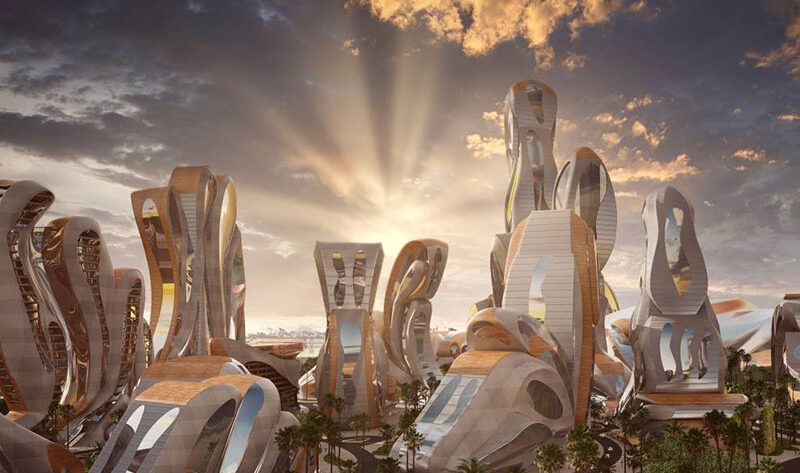
NELILE PEYTON HERDS of cows meander across the one-lane highway that leads down Senegal's coast to Mbodiene, a farming village surrounded by scrubland where singer Akon plans to build a futuristic city. The designs, which show shiny, pinkish buildings that bend and curve like waves, would look at home in any sci-fi movie. In the master plan, architect Hussein Bakri has carved out space for a parking lot - for flying cars. Akon, the Senegalese-American singer of 2006 hit "Smack That", has said the city will attract tourists and create thousands of jobs. U.S.-based firm KE International said it plans…
Read More
The loss of vegetation is creating a dangerous heat island over Nairobi

The loss of vegetation is creating a dangerous heat island over Nairobi

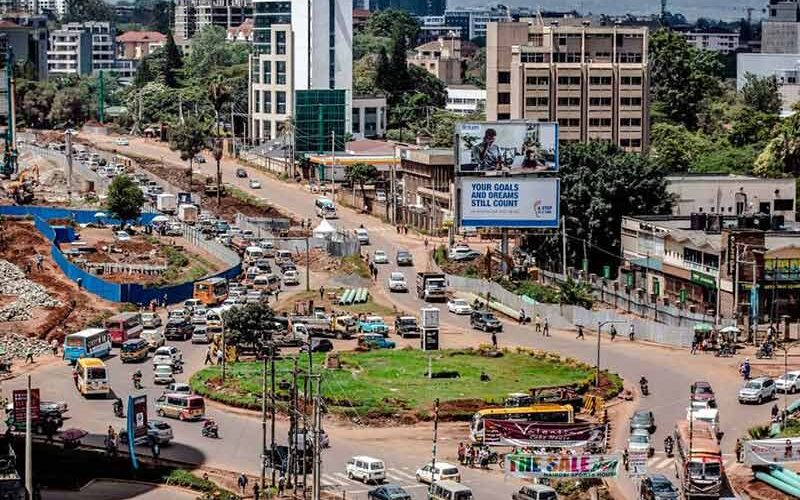
KENYA'S capital city, Nairobi, used to be known as the “Green City in the Sun” for its lush environment. There have been however recently been a lot of changes to Nairobi’s land cover – what’s on the ground’s surface. Most recently, there was uproar over the felling of hundreds of trees to make way for the construction of the Nairobi Expressway. Moina Spooner, from The Conversation Africa, asked Victor Ongoma and Patricia Mwangi to share their insights into how changes in land cover affect the city and its environment. VICTOR ONGOMA, Lecturer in Physical Geography, The University of the South…
Read More
Africa’s skyline to get a multi-billion facelift

Africa’s skyline to get a multi-billion facelift

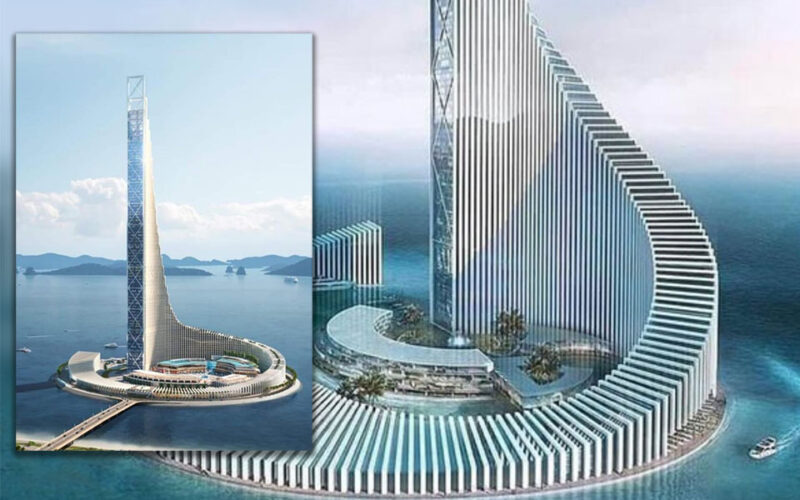
SETH ONYANGO, BIRD Last week, Tanzania’s AICL Group and Edinburgh-based investment company Crowland Management unveiled designs for a skyscraper that would be right at home in the glitzy skyscraper-rich emirate of Dubai. Instead, the upcoming 1.3 billion US dollars tower will be built close to Tanzania's capital, Dar es Salaam. Upon completion, the Zanzibar Domino Commercial Tower will be a 70-storey, spiralling skyscraper on a man-made island off the west coast of the country’s Zanzibar archipelago. It will also be the second-tallest building in Africa, after Egypt’s Iconic Tower, 28 miles east of the capital Cairo. Nonetheless, the Domino will…
Read More
Pandemic changes may point way to sustainable cities of the future

Pandemic changes may point way to sustainable cities of the future

CITY dwellers and planners should build on the dramatic changes swept in by COVID-19 to create a more sustainable and low-carbon future, urban experts told a virtual meeting of global leaders on Monday. Rigid school and office hours have given way to a more flexible system of working during the pandemic that puts less pressure on transport systems and energy grids, heard a "net-zero" cities panel organised by the World Economic Forum. "If you can actually reschedule cities thanks to the newfound flexibility following the pandemic there could be ... a big impact," said Carlo Ratti, director of the SENSEable…
Read More
Ghana’s unstable building problem is about more than lax regulation

Ghana’s unstable building problem is about more than lax regulation

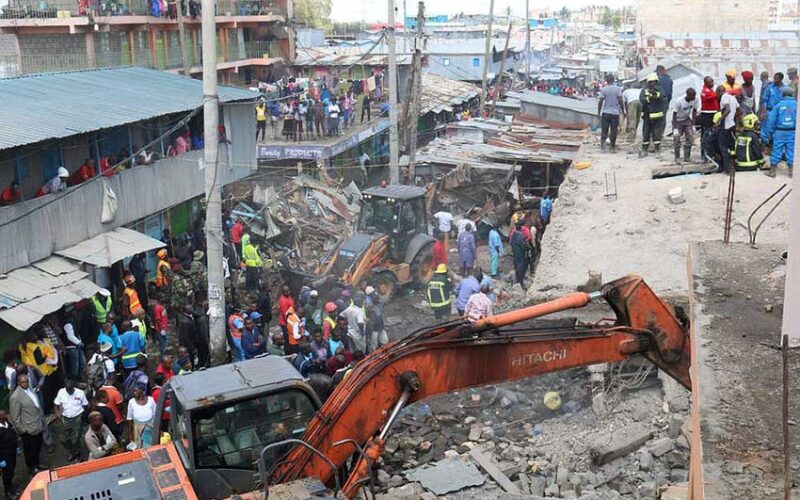
COLLAPSED buildings are worryingly common in several large African cities. One study counted 54 building collapse deaths and 122 injuries in Kampala, Uganda between 2004 and 2008. Another identified 112 cases in Lagos, Nigeria from December 1978 to April 2008. Cities in Ghana and Kenya, too, have recorded similar fatal incidents. FESTIVAL GODWIN BOATENG, Postdoctoral Research Fellow, Centre for Sustainable Urban Development, The Earth Institute, Columbia University This isn’t a uniquely African problem, though. It occurs in Asia’s rapidly urbanising areas, too. Buildings collapse either during construction or when they’re already occupied. It’s often suggested that the problems in African…
Read More