Our website use cookies to improve and personalize your experience and to display advertisements (if any). Our website may also include cookies from third parties like Google Adsense, Google Analytics, and Youtube. By using the website, you consent to the use of cookies.

Africa Medical Supplies Platform

Africa Medical Supplies Platform

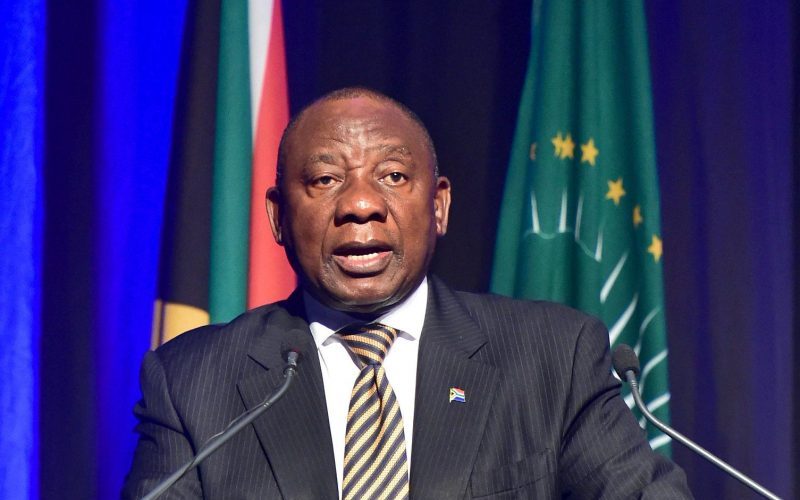
AFRICAN MIRROR CORRESPONDENT AFRICAN countries are using their collective economic muscles to use the multibillion procurement economy created by the devastation of COVID-19 to help rebuild the economies across the continent.  The African Union has established the Africa Medical Supplies Platform (AMSP), a single marketplace to enable the supply of COVID-19-related critical medical supplies. The move is expected to boost the drive to buy “Made in Africa” goods.  The AMSP was launched by AU chairperson and South African President Cyril Ramaphosa. The unique facility is designed to unlock immediate access to an African and global base of vetted manufacturers and…
Read More
Nissan’s bold step into the future

Nissan’s bold step into the future

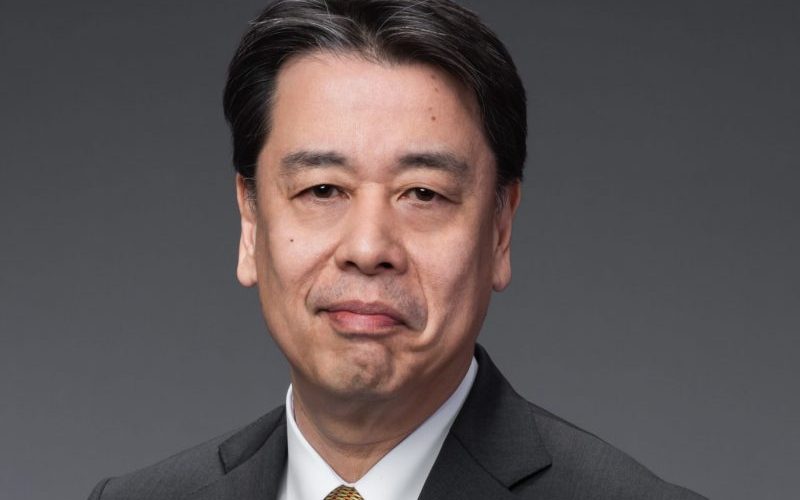
JOVIAL RANTAO TOUGH times call for tough decisions. Nissan, one of the world’s leading vehicle manufacturers, has unveiled a bold and tough plan to not only respond to the difficult conditions brought by COVID-19, but to grow the multibillion business. When he presented his group’s annual results, Nissan global chief executive officer Makoto Uchida tabled a robust four-year plan to achieve sustainable growth, financial stability, and profitability by the end of fiscal-year 2023.  Nissan global chief executive officer Makoto Uchida Uchida said the scalable plan, which involves cost-rationalisation and business optimisation, will shift the company’s strategy from its past focus…
Read More

How a post-COVID-19 revival could kickstart Africa’s free trade area

Faizel Ismail THE African Continental Free Trade Area was launched two years ago at an African Union (AU) summit in Kigali. It was scheduled to be implemented from 1 July 2020. But this has been pushed out until 2021 because of the impact of COVID-19 and the need for leaders to focus on saving lives. Studies by the International Monetary Fund (IMF), the United Nations Economic Commission for Africa and others state that the free trade area has the potential to increase growth, raise welfare and stimulate industrial development on the continent. But there are concerns. Some countries, particularly smaller…
Read More
South Africa must get ready for an inevitable loosening of trade ties with the US

South Africa must get ready for an inevitable loosening of trade ties with the US

MILLS SOKO IN six months’ time, the world’s gaze will be trained on what is gearing up to be a contentious and hotly contested presidential election in the US. Irrespective of who emerges victorious between the incumbent President Donald Trump and the Democratic nominee Joe Biden South Africa needs to start thinking about what it stands to lose – or gain – from the new administration’s stance. This is especially so in the area of economic relations. Since 1994, trade and investment ties between the US and South Africa have evolved against the backdrop of a complicated political and diplomatic…
Read More
Why Nigeria’s efforts to support poor people fail, and what can be done about it

Why Nigeria’s efforts to support poor people fail, and what can be done about it

Peter Elias URBANISATION remains a big challenge for city managers in low- and middle-income countries. This includes Nigeria, where the proportion of the urban population increased from 17.5% in 1969 to 51.2% in 2019. An estimated 18% of the urban population live in poverty. A 2018 UN report has projected that 55% of the world’s population will live in cities by 2030. It says half of the 130 million people living in cities lack access to adequate housing, water, sanitation, durable dwellings, adequate space, and secure tenure. This makes it imperative for governments to apply a social assistance programme for…
Read More
Ghana has tried to be responsible with its oil wealth. This is how

Ghana has tried to be responsible with its oil wealth. This is how

EMMANUEL GRAHAM ISMAEL ACKAH NATHAN ANDREWS RANSFORD EDWARD GYAMPO AFTER Ghana discovered oil and gas in 2007, the government and civil society aspired to avoid the “resource curse”. This is when countries have an abundance of non-renewable natural resources but no economic growth. Nigeria, Sudan, Angola, Cameroon, Equatorial Guinea and Chad are among the oil producers that have failed to channel their resources into the material improvement of their countries and people. To avoid a similar fate, Ghana enacted the Petroleum Revenue Management Act in 2011. The law created the Public Interest and Accountability Committee, with a mandate to ensure…
Read More
Slow rollout undermines Covid-19 social grant

Slow rollout undermines Covid-19 social grant

DENNIS WEBSTER When President Cyril Ramaphosa announced a R500 billion Covid-19 social and economic relief package in late April, a full 10% was set aside for the creation of a new social grant and to top up South Africa’s existing grants. But when the government’s relief package was eventually made concrete in the special adjustment budget tabled by Minister of Finance Tito Mboweni in the National Assembly on Wednesday 24 June, the commitment to social grants fell short of the R50 billion Ramaphosa had promised. The Adjustments Appropriation Bill shows that just short of R25.5 billion has been allocated to the Department of Social Development. Together with…
Read More
COVID-19 shook, rattled and rolled the global economy in 2020

COVID-19 shook, rattled and rolled the global economy in 2020

DAN BURNS and MARK JOHN WHEN 2020 dawned, the global economy had just notched its 10th straight year of uninterrupted growth, a streak most economists and government finance officials expected to persist for years ahead in a 21st Century version of the "Roaring '20s." But within two months, a mysterious new virus first detected in China in December 2019 - the novel coronavirus - was spreading rapidly worldwide, shattering those expectations and triggering the steepest global recession in generations. The International Monetary Fund estimates the global economy to have shrunk by 4.4% this year compared with a contraction of just…
Read More
Nigerian startup buys US tech co as credit cards go digital, in Africa

Nigerian startup buys US tech co as credit cards go digital, in Africa

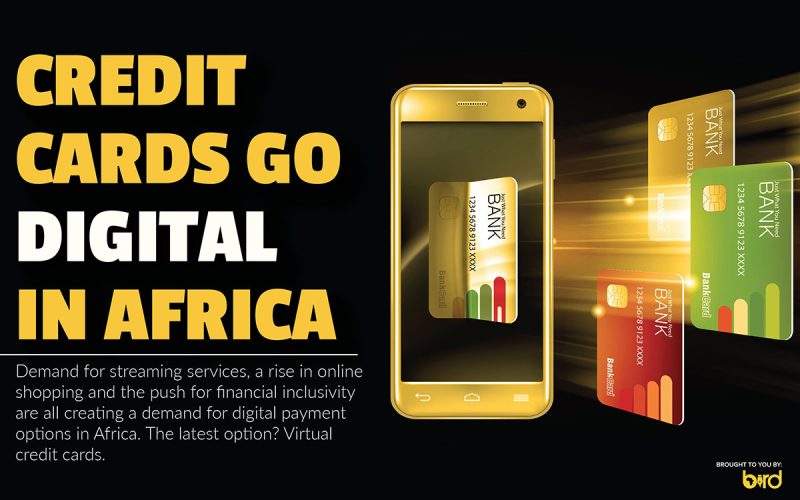
CONRAD ONYANGO, BIRD AFRICA STORY AGENCY AFRICA has begun making its own virtual credit cards as fintechs push to end legacy challenges experienced in physical, traditional bank-aligned cards. As startups across the continent move to bring millions of unbanked into the financial sector using digital payment cards, they are also looking to tap into new demand for payment services created by growth in e-commerce and streaming services. Virtual cards offer shortened issuance times and lower costs when compared with traditional cards, and are speedy, cheap and convenient even for those residing in rural areas. Pan-African digital payments company MFS Africa…
Read More
Chad creditors to meet this week; IMF calls on Glencore to ‘step forward’

Chad creditors to meet this week; IMF calls on Glencore to ‘step forward’

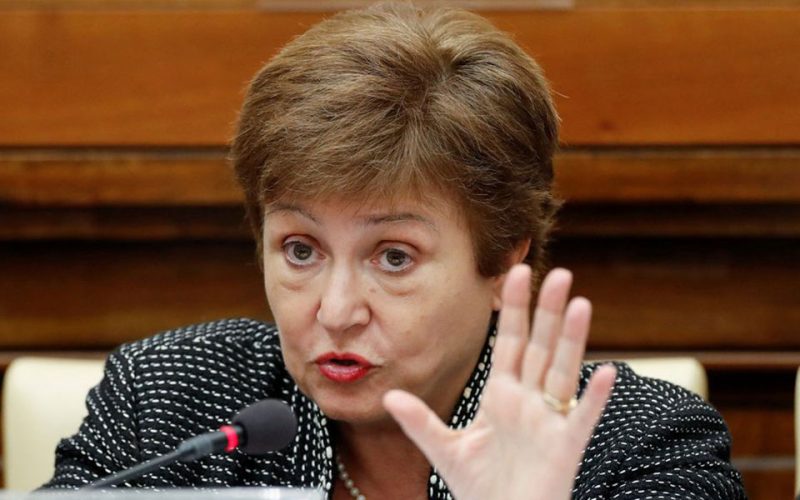
ANDREA SHALAL CHAD'S official creditor committee will meet this week amid growing pressure from the International Monetary Fund and others for progress on the country's request for debt restructuring, two sources briefed on the matter said. IMF Managing Director Kristalina Georgieva told Reuters the key issue was coming to an agreement with Chad's main private creditor Glencore on the country's debt restructuring needs, given a jump this year in the price of oil, a key revenue generator for it. Chad in January 2021 become the first country to request a restructuring of its $3 billion external debt under the Common…
Read More