Our website use cookies to improve and personalize your experience and to display advertisements (if any). Our website may also include cookies from third parties like Google Adsense, Google Analytics, and Youtube. By using the website, you consent to the use of cookies.

Eswatini: how social pressures and poverty affect the ability of children to navigate school

Eswatini: how social pressures and poverty affect the ability of children to navigate school

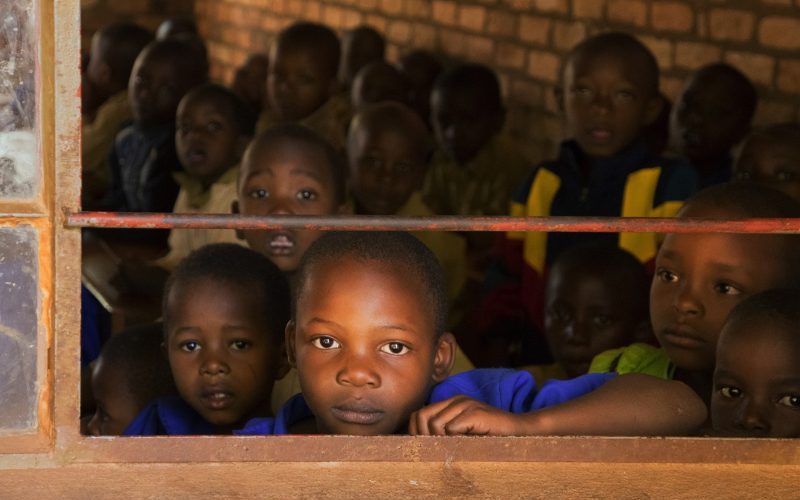
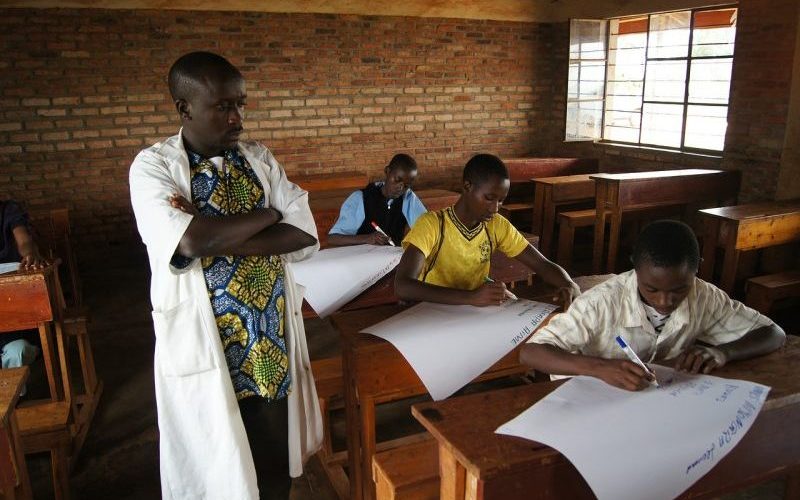
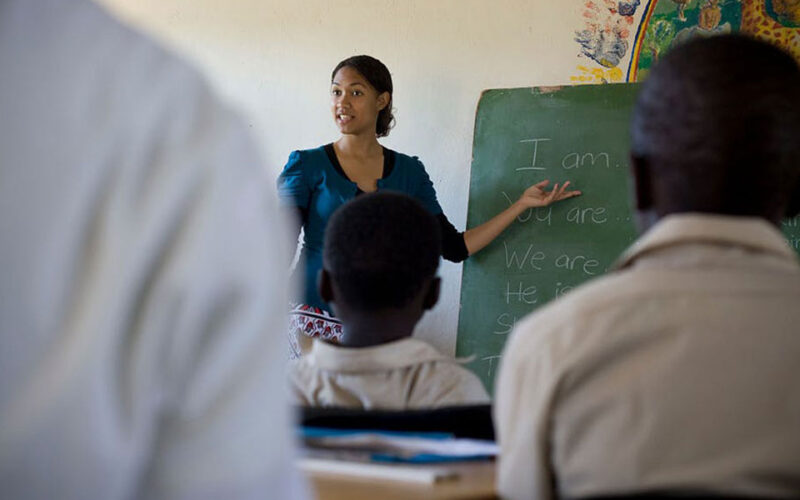
THE population of Eswatini (previously called Swaziland) is slightly below 1.2 million people, and about 58.9% of the people live below the nationally defined poverty line – living on less than US$1.9 a day. For years Eswatini has also had the highest prevalence of HIV and AIDS in the world. In 2019, about 27% of the country’s population was HIV positive. Author NCAMSILE MOTSA, Post Doctoral Researcher, School of Education, University of KwaZulu-Natal One of the devastating effects of HIV and AIDS, coupled with poverty, has been the escalating numbers of vulnerable children in the country. For example, in 2012,…
Read More
Jaap Durand: a moment to reflect on the chequered history of the University of the Western Cape

Jaap Durand: a moment to reflect on the chequered history of the University of the Western Cape

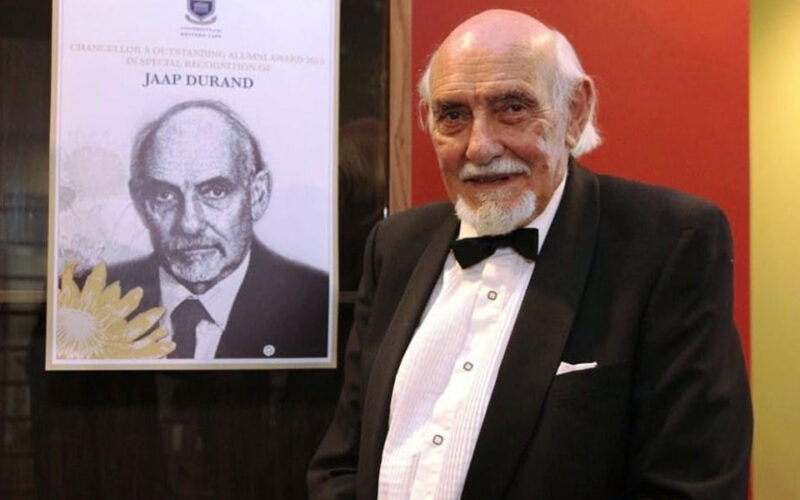
Author JONATHAN JANSEN, Distinguished Professor, Stellenbosch University PROFESSOR Jaap Durand, who passed away on January 24, was appointed the first-ever vice-rector of the University of the Western Cape in 1980. These were turbulent times in South Africa. The momentum against apartheid was growing as workers launched strike action and students took to the streets in protest. The state, for its part, intensified its efforts to crush all opposition. One of the striking images being used on social media following his death shows him walking steadfastly alongside his protesting black comrades, including other leading academics in the anti-apartheid struggle. The suited…
Read More
How Uganda is failing to help rural children learn languages

How Uganda is failing to help rural children learn languages

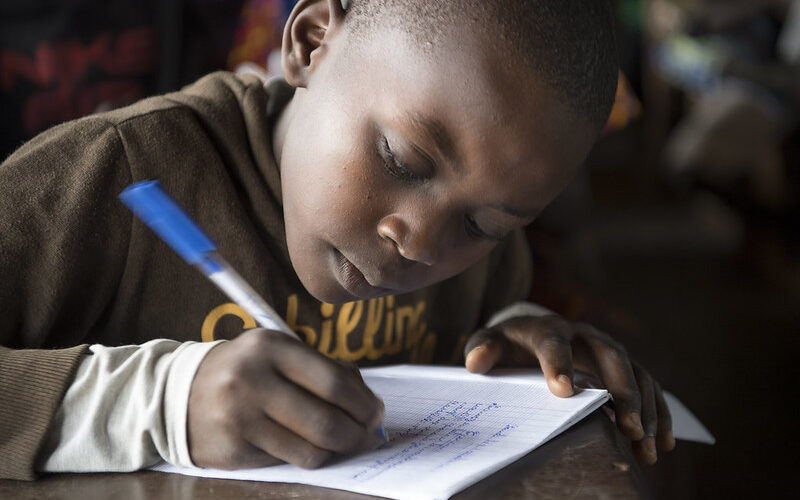
MEDADI SSENTANDA AND ALLEN ASIIMWE THE government of Uganda introduced the mother tongue education programme with hope of improving literacy levels 12 years ago. But the training of teachers at colleges was not modified to match the introduced programme. In a recently published study we conducted in 2018 in three rural schools in Northern Uganda, Gulu District, we found that teachers complained about inadequate training in the mother tongue, Acoli. Teachers said they weren’t taught the local language as subject at college and this made them feel inadequate to teach in the language. This limited training affected the teaching of the learners’…
Read More
Charity seeks to avert teen pregnancy surge with safe sex app in Sierra Leone

Charity seeks to avert teen pregnancy surge with safe sex app in Sierra Leone

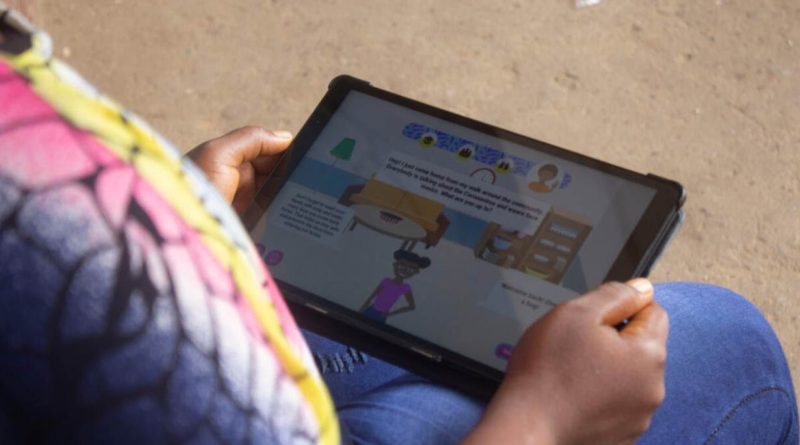
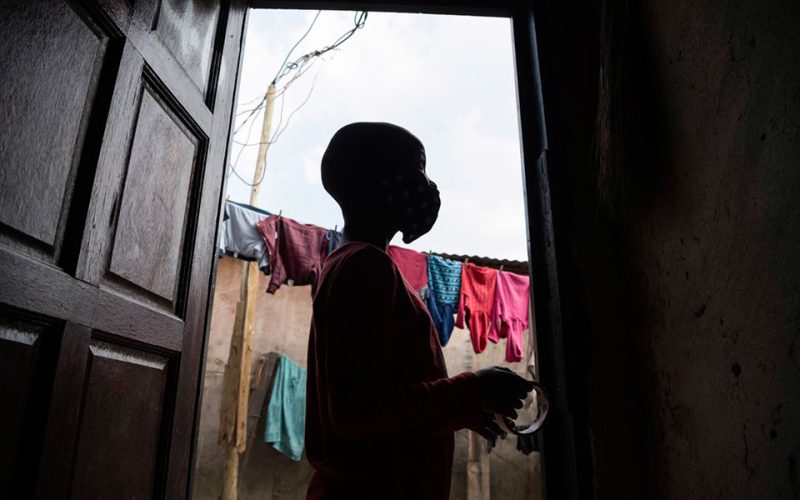
AN international charity has launched an interactive sex education app in Sierra Leone as health experts warn the coronavirus lockdown could cause a surge in unwanted teenage pregnancies. During the 2014-2016 Ebola outbreak, a nine-month lockdown in Sierra Leone led to a jump in pregnancies among girls and young women as school closures and economic hardship increased sexual abuse and exploitation, as well as consensual sex. Ramatu Jalloh, Save the Children's advocacy and communications director in the country, said the app - which takes the form of an interactive game - aimed to help avert a repeat of that trend.…
Read More
A big effort to invest in education will pay off in the long term for South Africa

A big effort to invest in education will pay off in the long term for South Africa

ROULA INGELSI-LOTZ AND REYER GERLAGH SOUTH Africa’s economy has consistently been a two-speed economy. It has one of the highest inequality rates in the world, characterised by gaps in opportunities for its citizens and by severe poverty lasting from one generation to the next. In the middle of a global pandemic, the debate is about handling COVID-19 while saving the economy, and less about promoting fast growth and future prosperity. Yet this is an unfair dilemma. Countries in good shape can more easily handle the costs of COVID-19. We see the pandemic as just one more factor intensifying the differences.…
Read More
Lessons from Sierra Leone’s Ebola pandemic on the impact of school closures on girls

Lessons from Sierra Leone’s Ebola pandemic on the impact of school closures on girls

  IMRAN RASULProfessor of Economics, International Growth Centre POLICYMAKERS globally have responded to the COVID-19 pandemic with tough measures. As a result of the risk and uncertainty caused by the virus, economic activity has contracted, hitting firms and workers whose activities rely on face-to-face contacts the hardest. Low-income countries with lower state capacities, including weaker health infrastructure and less data to inform policy, face an even more difficult balance between public health policy measures and their economic costs. That balance has been discussed a great deal. But an equally important aspect to think through is the potentially longer-lasting impact of…
Read More
Maths teachers in South Africa: case study shows what’s missing

Maths teachers in South Africa: case study shows what’s missing

JACQUES VERSTER Jacques Verster, Doctoral candidate Centre for International Teacher Education, Cape Peninsula University of Technology South African students are bad at maths compared to other countries. This is clear from results of South African learners in the International Mathematics and Science Study. The results show that South Africa’s performance is far from competitive in relation to other countries. To try and understand the reasons for this poor performance, I did a qualitative case study focusing on a year-long post graduate course taken by aspiring teachers. I focused particularly on a Post Graduate Certificate in Education with a maths focus…
Read More
How to keep children learning at home. And you don’t need material resources

How to keep children learning at home. And you don’t need material resources

ANDREA JUAN, Research Specialist, Human Sciences Research Council MOST of South Africa’s children have already lost three months of formal education due to the COVID-19 pandemic lockdown. The staggered reopening of schools means that some children will only return to school in August. Children whose parents or caregivers have been able to take on the role of educator may have been able to keep up with the curriculum. But the break-in schooling will have had the greatest impact on children who live in poverty – that’s the majority in the country. Typically, children from low-income homes lack access to resources…
Read More
What South Africa needs to do to improve education for disabled children

What South Africa needs to do to improve education for disabled children

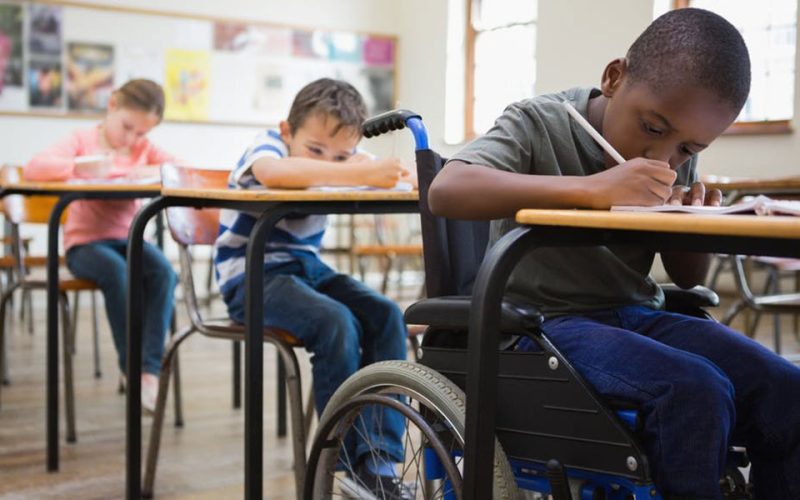
IN many countries, including South Africa, there is stark economic inequality between adults with disabilities and those without. One key to reducing these disparities is improving access to education for children with disabilities or difficulties. NICOLA DEGHAYE, PhD candidate in Economics, Stellenbosch University South Africa developed a White Paper on Inclusive Education in 2001, recognising disability as a factor that hinders learning and participation in schools. This policy emphasises that learners with disabilities or difficulties should be provided with the support they need, in their local school, wherever possible. This is in stark contrast to the situation before 2001 where…
Read More
The heartbreak behind children leaving school

The heartbreak behind children leaving school

ZANDILE BANGANI A young boy’s education is stopped when it has barely started, all because he’s from an impoverished family who hardly survived even before Covid-19 brought added burdens. Luyanda Khofu, 8, has been forced to drop out of school owing to his parents’ dire financial situation. His mother, Elizabeth Khofu, 29, has been unemployed for the past five years and his father, Mongezi Silwane, 32, lost his job as a panel beater at the start of the Covid-19 lockdown last year. Khofu says Luyanda constantly asks when he will return to school. “I tell him, ‘My child, I don’t have…
Read More