Our website use cookies to improve and personalize your experience and to display advertisements (if any). Our website may also include cookies from third parties like Google Adsense, Google Analytics, and Youtube. By using the website, you consent to the use of cookies.

Nigeria’s pandemic lockdown measures were hard on informal workers

Nigeria’s pandemic lockdown measures were hard on informal workers

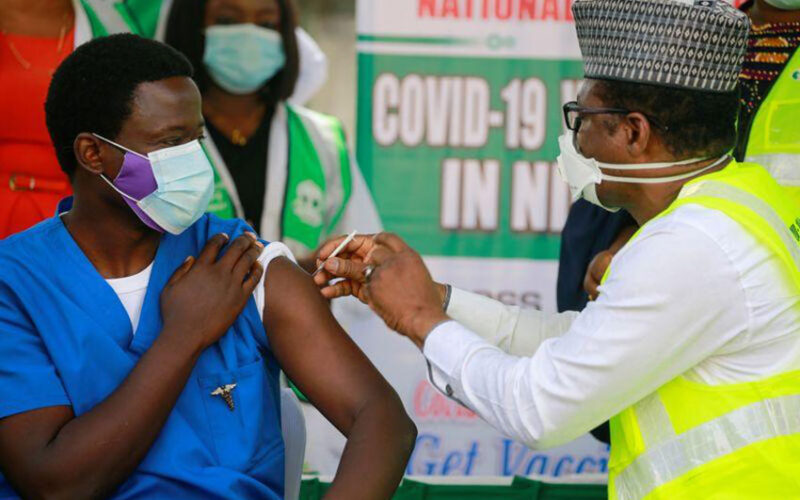
During the first wave of the pandemic in Nigeria, security forces were mandated to enforce lockdown and stay-at-home orders. Intended as public health measures, these controls inflicted collateral damage. Authors CHIDI NZEADIBE, Professor of Environmental Management & Sustainability, University of Nigeria CHRISTIAN EZEIBE, Senior Lecturer, Political Science, University of Nigeria KELECHI ELIJAH NNAMANI, Lecturer and Researcher, Department of Political Science, University of Nigeria NKEMDILIM PATRICIA ANAZONWU, Lecturer and researcher, Social Work, University of Nigeria NNABUIKE OSADEBE, Lecturer, Sociology and Anthropology , University of Nigeria OBIORA ANICHEBE, Associate Professor of Social and Political Philosophy, University of Nigeria PETER MBAH, Professor of…
Read More
How trying to copy a COVID vaccine changes the outlook for African countries

How trying to copy a COVID vaccine changes the outlook for African countries

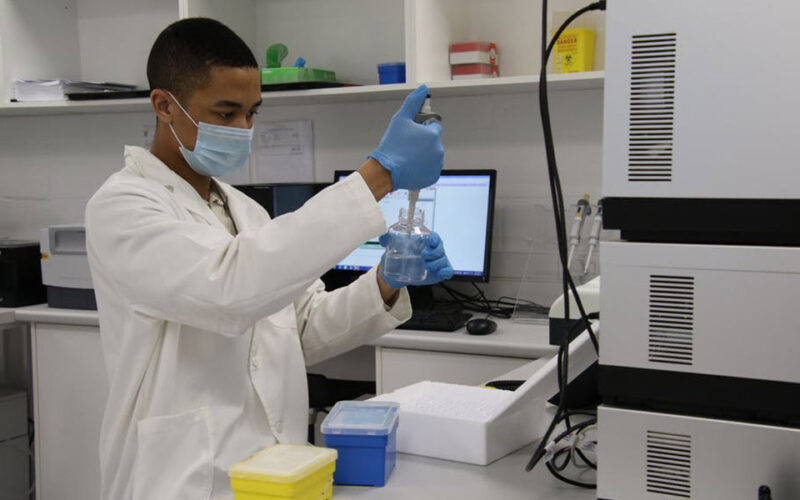
THE World Health Organisation (WHO) has announced the first six African countries that will receive technology to produce messenger RNA (mRNA) vaccines. This comes off the back of the news that a South African consortium – part of the WHO’s technology transfer hub set up in 2021– had successfully replicated Moderna’s COVID-19 vaccine. Ina Skosana spoke to Professor Kelly Chibale about the significance of the replication of the vaccine and what the next steps are. Author KELLY CHIBALE, Professor of Organic Chemistry, Neville Isdell Chair in African-centric Drug Discovery & Development, and Director of the Holistic Drug Discovery and Development…
Read More
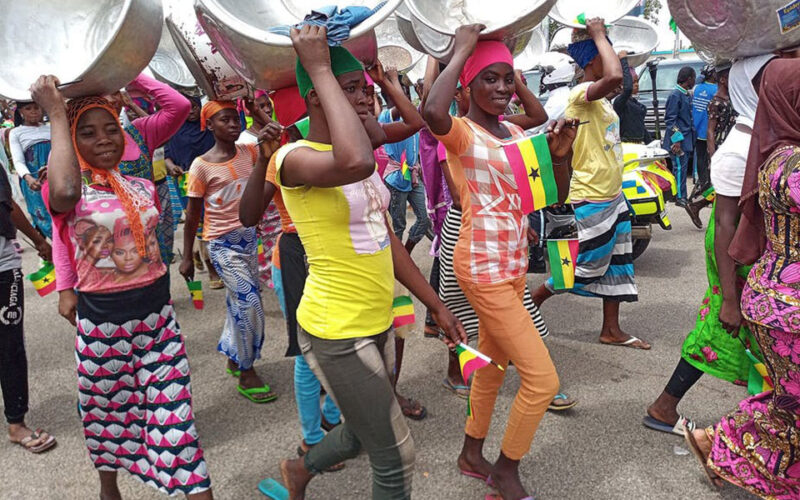
Defying Ghana’s lockdown rules wasn’t simply stubborn: here’s what was going on

Defying Ghana’s lockdown rules wasn’t simply stubborn: here’s what was going on

GHANA imposed lockdowns in the Accra and Kumasi districts on 30 March 2020 to limit community transmission of the new coronavirus. But members of the public found ways to evade the restrictions, making them ineffective. People went about their daily lives as usual, where they could, and avoided checkpoints. Police were sometimes seen humiliating or violently handling people they caught breaking the rules. Eventually, the government suspended the restrictions. Author FESTIVAL GODWIN BOATENG, Postdoctoral Research Fellow, Centre for Sustainable Urban Development, The Earth Institute, Columbia University Various public commentators – from the media to politicians – attributed the mass defiance…
Read More
Omicron BA.2 sub-variant more infectious but not more severe – Africa CDC

Omicron BA.2 sub-variant more infectious but not more severe – Africa CDC

THE Omicron BA.2 sub-variant of COVID-19 appears to be more infectious than the original BA.1 sub-variant but does not cause more severe disease, the head of Africa's top public health body said citing data from South Africa. "South Africa is reporting that it is more transmissible than the BA.1 variant, but interestingly and very encouragingly the severity seems to be the same," said Dr John Nkengasong, head of the Africa Centres for Disease Control and Prevention. South Africa was one of the first countries to detect the Omicron variant of COVID-19, which has since swept around the globe and become…
Read More
COVID vaccine supply for global programme outstrips demand for first time

COVID vaccine supply for global programme outstrips demand for first time

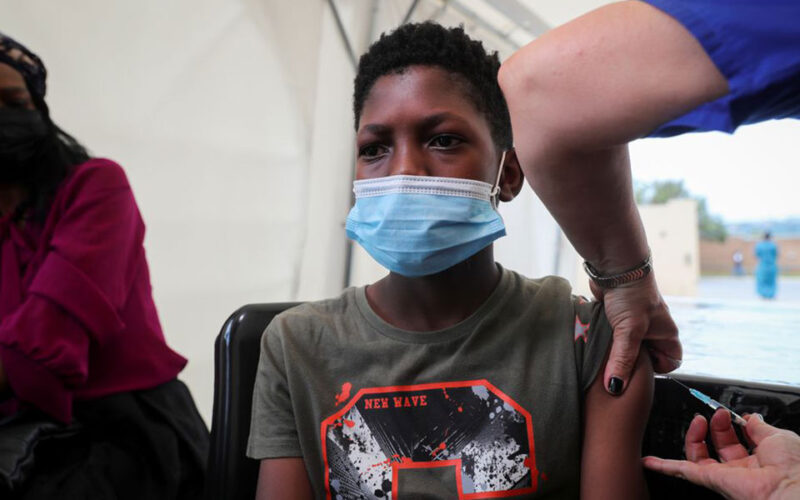
FRANCESCO GUARASCIO and JENNIFER RIGBY THE global project to share COVID-19 vaccines is struggling to place more than 300 million doses in the latest sign the problem with vaccinating the world is now more about demand than supply. Last year, wealthy nations snapped most of the available shots to inoculate their own citizens first, meaning less than a third of people in low-income countries have been vaccinated so far compared with more than 70% in richer nations. As supply and donations have ramped up, however, poorer nations are facing hurdles such as gaps in cold-chain shortage, vaccine hesitancy and a…
Read More
How young Nigerians’ distrust of political leaders fuels COVID misinformation

How young Nigerians’ distrust of political leaders fuels COVID misinformation

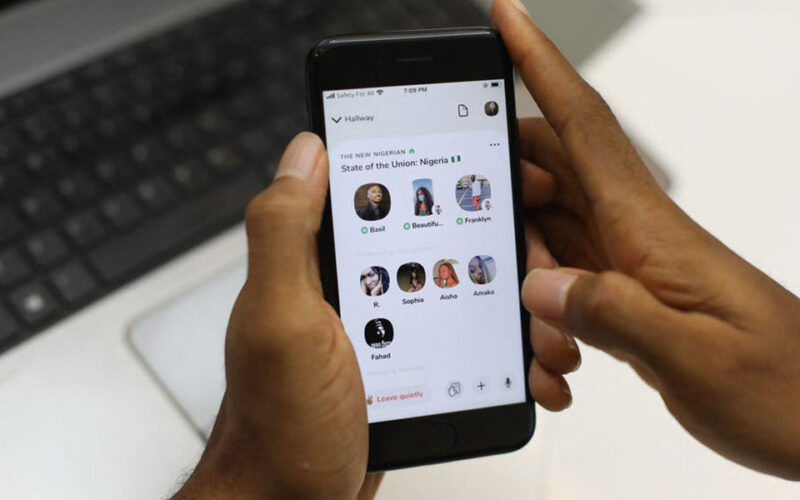
EVER since the World Health Organization declared COVID-19 a global public health emergency in January 2020, there’s been a need for studies that help explain what people understand by public health messages. Author OLUTOBI AKINGBADE, Postdoctoral Research Fellow, Centre for the Advancement of Non-Racialism and Democracy (CANRAD), Nelson Mandela University Research into the nuances of communication is especially important when conspiracy theories and misleading rumours about the pandemic are in circulation. Misinformation can be dangerous. Early in the pandemic, it appeared that younger people (in their teens, 20s and 30s) had a low risk of infection with SARS-CoV-2 or severe…
Read More
African countries to get mRNA vaccine technology in WHO project

African countries to get mRNA vaccine technology in WHO project

WENDELL ROELF and ALEXANDER WINNING THE World Health Organization said six African countries - Egypt, Kenya, Nigeria, Senegal, South Africa and Tunisia - would be the first on the continent to receive the technology needed to produce mRNA vaccines. The technology transfer project, launched last year in Cape Town, aims to help low- and middle-income countries manufacture mRNA vaccines at scale and according to international standards. mRNA is the advanced technology used by companies such as Pfizer-BioNTech, and Moderna for their COVID-19 shots. The WHO established its global mRNA technology transfer hub after large-scale vaccine purchases by wealthy countries and companies prioritising…
Read More
S.Africa’s Ramaphosa: COVAX must buy vaccines from local manufacturing hubs

S.Africa’s Ramaphosa: COVAX must buy vaccines from local manufacturing hubs

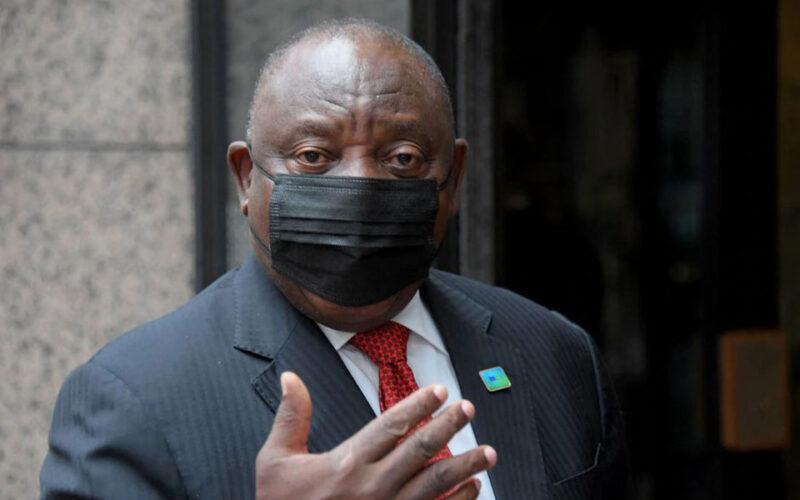
SOUTH AFRICAN President Cyril Ramaphosa said that the global vaccine distribution scheme COVAX and vaccines alliance GAVI should commit themselves to buying vaccines from local manufacturing hubs. "The lack of a market for vaccines produced in Africa is something that should be concerning to all of us. Organizations such as COVAX and GAVI need to commit to buying vaccines from local manufacturers instead of going outside of those hubs that have been set up," Ramaphosa said. He was speaking after the World Health Organization (WHO) announced the first six African countries, including South Africa, to receive the technology needed to…
Read More
EU launches reset with Africa after pandemic disruption

EU launches reset with Africa after pandemic disruption

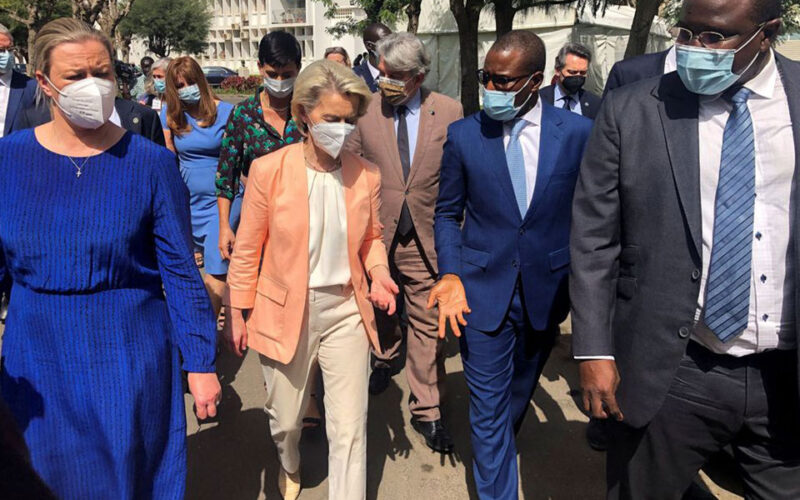
JOHN CHALMERS and PHILIP BLENKINSOP THE EU welcomed more than 40 African leaders to Brussels in an effort to reassert its influence on a continent where China and Russia have made hefty investment inroads, and where many felt let down by Europe's COVID-19 vaccines rollout. The European Union will offer several packages of support at the summit to bolster health, education and stability in Africa, and will pledge half of a new 300-billion-euro ($340.9 billion) investment drive launched to rival China's Belt and Road Initiative. But the meeting also takes place just as France and its allies fighting Islamist militants…
Read More
S.Africa allows use of Merck COVID pill but government not buying

S.Africa allows use of Merck COVID pill but government not buying

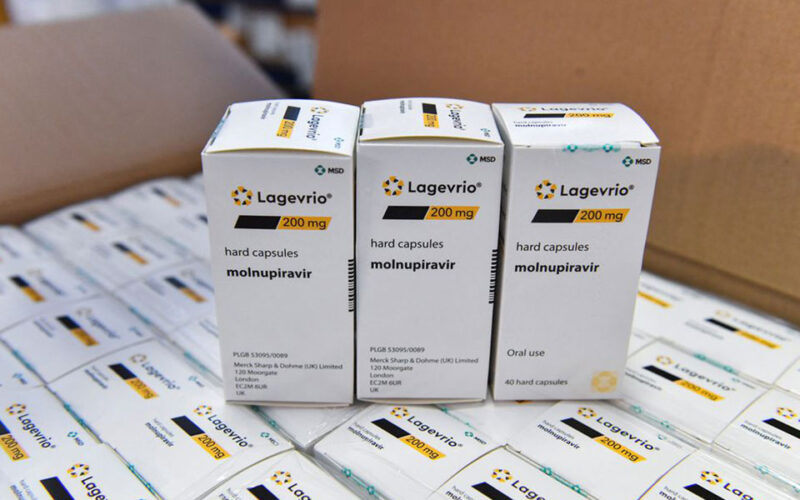
ALEXANDER WINNING SOUTH Africa's government said it was not planning to buy Merck's COVID-19 treatment pill molnupiravir for cost reasons, despite the drug gaining approval from the country's health regulator. Molnupiravir and a rival antiviral pill from Pfizer called Paxlovid have demonstrated efficacy in trials of adults with COVID-19 who are at high risk of serious illness and are now both in use. Countries around the world are negotiating prices with Merck and Pfizer. The U.S. government is paying $700 for each course of molnupiravir, but generic drugmakers will make cheap versions in a deal aimed at giving access to poorer…
Read More