Our website use cookies to improve and personalize your experience and to display advertisements (if any). Our website may also include cookies from third parties like Google Adsense, Google Analytics, and Youtube. By using the website, you consent to the use of cookies.

‘New variant does not seem to be spreading’

‘New variant does not seem to be spreading’

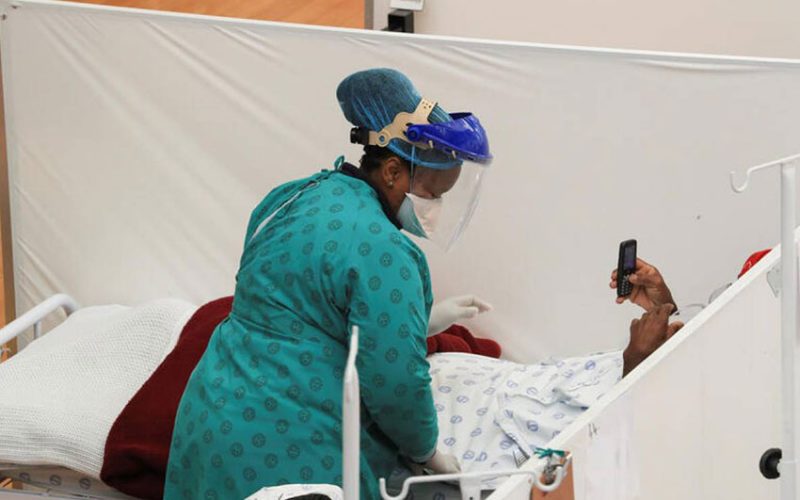
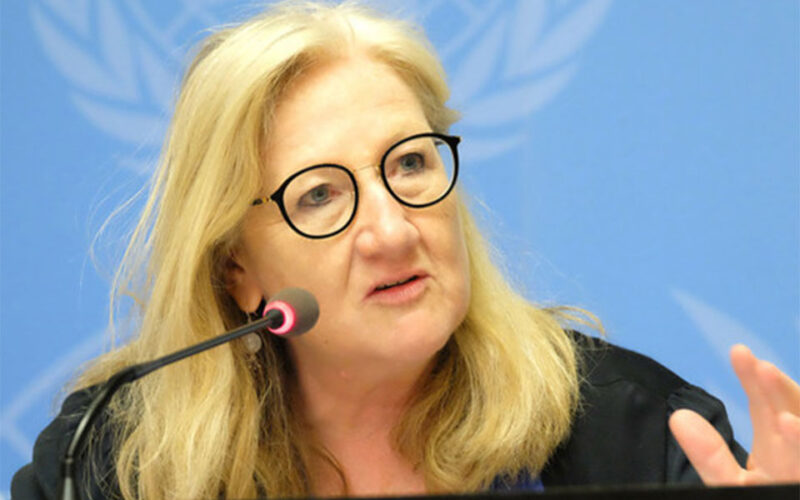
A new coronavirus variant that was first detected in South Africa in May does not appear to be spreading, the World Health Organisation has said, adding it was monitoring the variant as the virus evolves. "It does not appear to be increasing in circulation," WHO spokesperson Margaret Harris told a U.N. briefing, adding the variant labelled C.1.2. was not currently classified as a "variant of concern" by the U.N. health agency.
Read More
How S.A will get over 42-million vaccine doses

How S.A will get over 42-million vaccine doses

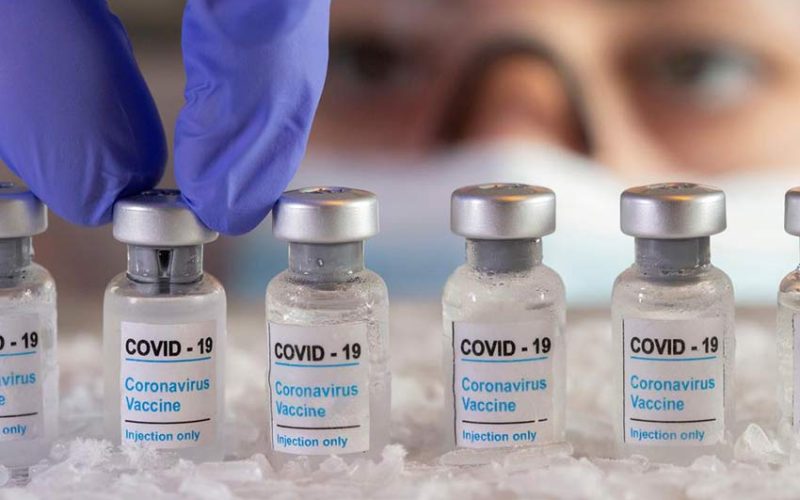
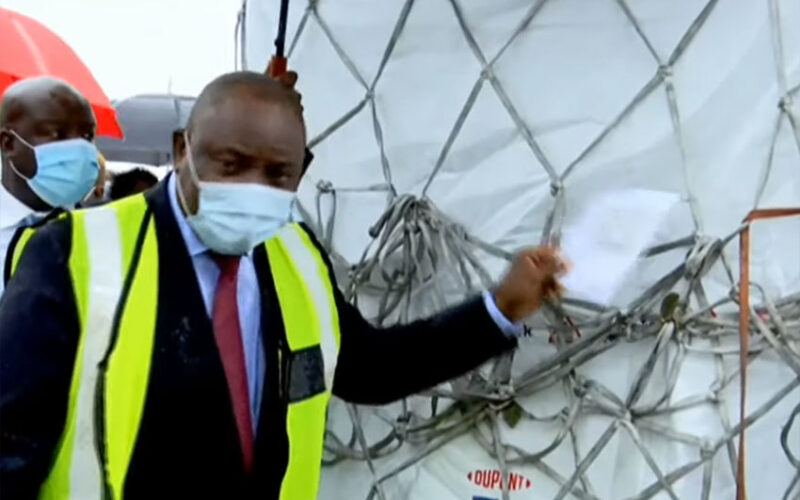
AFRICAN MIRROR REPORTER HOURS after South Africa received its first COVID-19 vaccine doses, the country’s president  Cyril Ramaphosa revealed plans for the country to receive over 42- million doses. In a special address to the nation, Ramaphosa unveiled the different sources for a vaccine that is key to the country’s fight against COVID-19, which has infected over 1.3-million South Africans and killed over 40 000. He said in addition to the one million Covishield does received yesterday, South Africa expects: 500,000 doses from the Serum Institute of India to arrive later in February. 12 million doses in total from the…
Read More
Why it’s hard to end elephantiasis, a debilitating disease spread by mosquitoes

Why it’s hard to end elephantiasis, a debilitating disease spread by mosquitoes

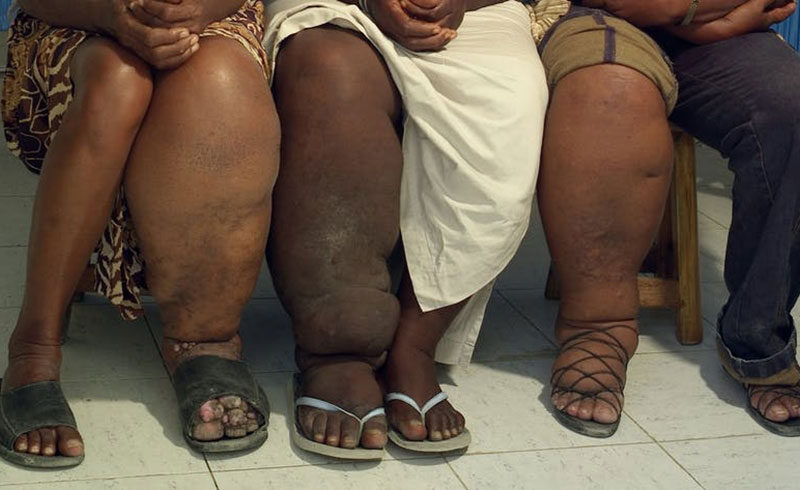
ALEXANDER KWARTENG, Lecturer in Immunology of Infectious Diseases, Kwame Nkrumah University of Science and Technology (KNUST) JONATHAN ROBERTS, Associate Professor, Mount Saint Vincent University KRISTI HEATHER KENYON, Associate Professor, University of Winnipeg MARY ASIRIFI, Assistant Professor, Department of Nursing Foundations, MacEwan University Lymphatic filariasis is one of the world’s leading causes of permanent and long-term disability. Sometimes referred to as Elephantiasis tropica, it is a neglected and stigmatised mosquito-borne disease. It damages the human lymphatic system, leading to disfiguring swelling of limbs, breasts and genitals. Despite a decade of World Health Organisation (WHO)-led drug administration to halt its spread, the…
Read More
Nigeria expects 41 million vaccine doses from AU

Nigeria expects 41 million vaccine doses from AU

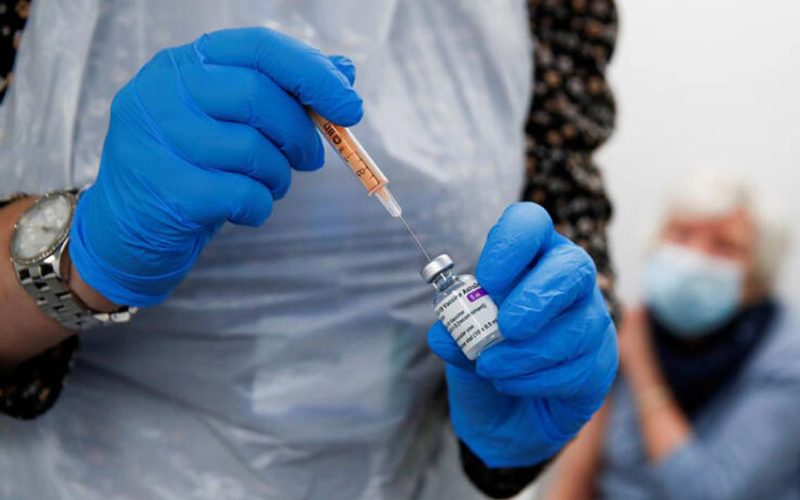
ALEXIS AKWAGYIRAM NIGERIA expects to receive 41 million COVID-19 vaccine doses from the African Union, the head of the country's primary healthcare agency said on Monday, while the health minister said vaccines from Russia and India were being considered. Authorities in Africa's most populous country, which has 200 million people, plan to inoculate 40% of the population this year and another 30% in 2022. The African Union initially secured 270 million COVID-19 vaccine doses from manufacturers for member states. Last week it was announced that the bloc would receive another 400 million doses of the AstraZeneca vaccine. Faisal Shuaib, who…
Read More
Rural South African nurses fear being forgotten in vaccine roll-out

Rural South African nurses fear being forgotten in vaccine roll-out

SOUTH African nurses called on the government on Monday to ensure overstretched workers in rural clinics and hospitals get access to COVID-19 vaccines as the hard-hit country received its first batch of doses. Rural nurses have reported shortages of personal protective equipment (PPE) such as face masks during the pandemic and - with few detailed announcements about inoculation plans for remote areas - many fear they could be last in line. “Healthcare workers’ hands are full as we speak, we are very concerned about overstretching them to breaking point,” said Sibongiseni Delihlazo, spokesman for the Democratic Nursing Organisation of South Africa (DENOSA),…
Read More
Tunisia, Palestinians among 1st COVAX recipients

Tunisia, Palestinians among 1st COVAX recipients

AIDAN LEWIS THE Palestinian territories and Tunisia will benefit from a first wave of coronavirus vaccines from the COVAX scheme, but poorer states in the Middle East face a big gap in early vaccine provision, a World Health Organization (WHO) official said on Monday. The Palestinian territories are expected to receive 37,000 doses of the COVID-19 vaccine made by Pfizer and BioNTech starting in mid-February through COVAX, while Tunisia is due to receive 93,600 doses, said Rick Brennan, emergency director for the WHO's Eastern Mediterranean region. Two doses of the vaccine are recommended per person. The WHO set up COVAX…
Read More
Entrepreneur’s bold plan to overcome shortage of health services in Diepsloot

Entrepreneur’s bold plan to overcome shortage of health services in Diepsloot

TANYA McCLEAN IT was when her own child fell ill at school that Agnes Pholose had a brainwave that was to become her business - a business which can mean the difference between life or death for a little one. And importantly, it also highlights the need for more efficient health services in townships.  Pholose is the owner of Tshepohope Consulting based in Diepsloot, Johannesburg and offers a transport service, where she arranges to transport preschool and creche-going children to the clinic should they fall ill while at school and the parent/s are unable to take the child themselves.  "My…
Read More
Innovation — and research — are key to killing off neglected tropical diseases in Africa

Innovation — and research — are key to killing off neglected tropical diseases in Africa

AS a young medical doctor over 30 years ago, I had an experience no doctor wants to have. One of my patients, a young boy, died in my arms as we rushed him to the referral hospital in Nairobi, Kenya, to receive treatment. MONIQUE WASUNNA, Researcher, Kenya Medical Research Institute He had visceral leishmaniasis, a disease also known as kala-azar, which is transmitted by female sandflies. He had been brought 250 km from his village in Baringo because at that time the treatment was only available at our clinical trial site hospital in Nairobi. But we were too late. Visceral…
Read More
Many old people in Ghana need daily care. How the government can help

Many old people in Ghana need daily care. How the government can help

THE world’s population is growing older – and that includes African countries, although they remain primarily youthful. Of all the countries in sub-Saharan Africa, Ghana has among the highest proportion of people over the age of 60, namely 7.2%. CATI COE, Professor of Anthropology, Rutgers University This age group expanded from 200,000 to 1.6 million between 1960 and 2010 in Ghana. At the same time, the prevalence of health problems has grown. In a large-scale survey of Ghanaians over the age of 50, 33% reported hypertension, 14% arthritis, 7% diabetes, 6% a cardiovascular condition and 4.9% treatment for stroke. Disability…
Read More
Algeria, Russia discusses vaccine production

Algeria, Russia discusses vaccine production

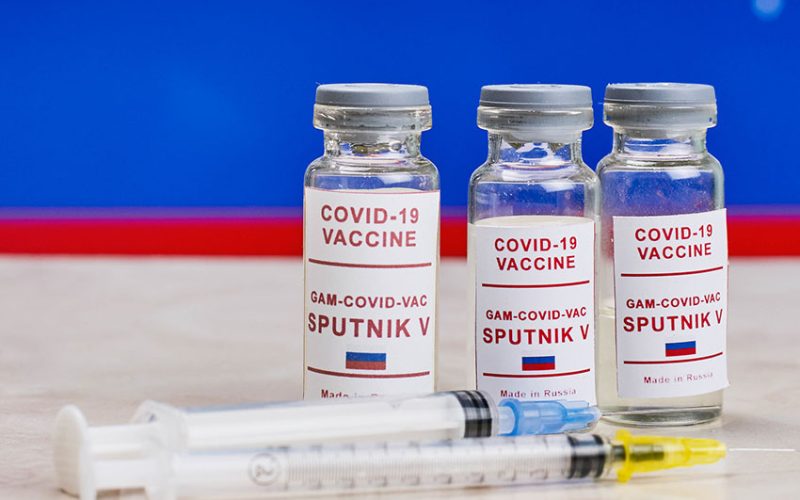
Algeria has held discussions with Russia about the possibility of producing Moscow's Sputnik V COVID-19 vaccine. Talks to manufacture the vaccine in Algeria took place during a meeting between Prime Minister Abdelaziz Djerad and Russian ambassador Igor Beliaev, the prime minister's office said. "The two parties agreed to initiate contacts between the competent services of the two countries with the aim of establishing a bilateral cooperation...," it said in a statement. Algeria started its vaccination campaign on Saturday, a day after receiving 50,000 doses of Sputnik V. A shipment of the AstraZeneca vaccine is due to arrive on Monday. Algeria…
Read More