Our website use cookies to improve and personalize your experience and to display advertisements (if any). Our website may also include cookies from third parties like Google Adsense, Google Analytics, and Youtube. By using the website, you consent to the use of cookies.

Crippled by lake’s fluoride waters, Kenyan women struggle to survive

Crippled by lake’s fluoride waters, Kenyan women struggle to survive

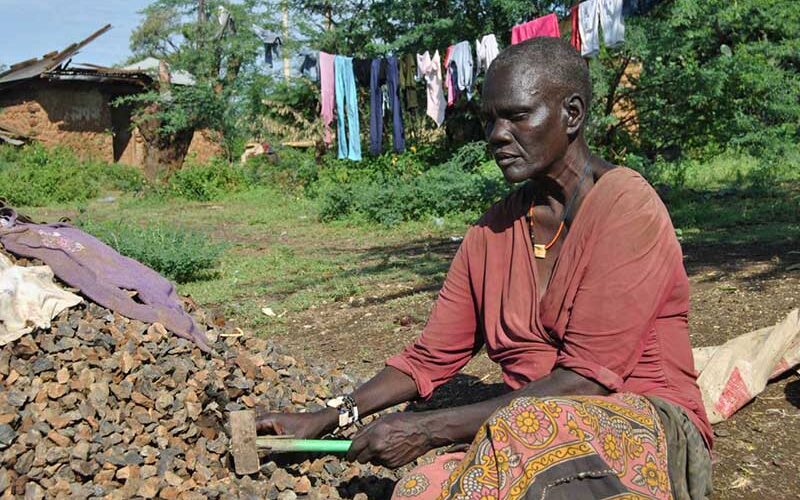
DOMINIC KIRUI  FOR 50 years, Ester Yokoi has been drinking water from Kenya's Lake Baringo, and for 50 years it has been poisoning her. Yokoi is one of several thousand villagers to develop a bone-weakening disease due to the lake's dangerously high fluoride levels, officials said, leaving her unable to walk and too poor to afford medication, or even safe drinking water. "I still drink the same water from the lake... What do you do when you're thirsty?" said Yokoi, 50, who lost the use of her legs 30 years ago. Nowadays, the mother-of-six drags herself along the ground to…
Read More
WHO vaccine drive bedevilled by a familiar question: who pays if things go wrong?

WHO vaccine drive bedevilled by a familiar question: who pays if things go wrong?

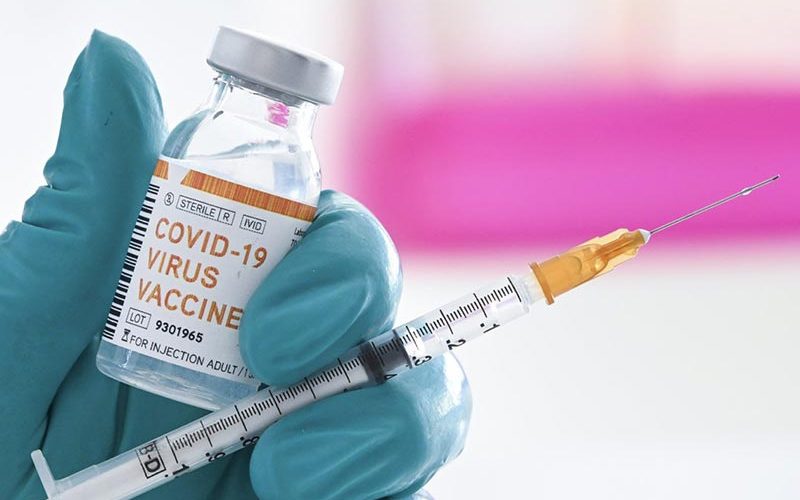
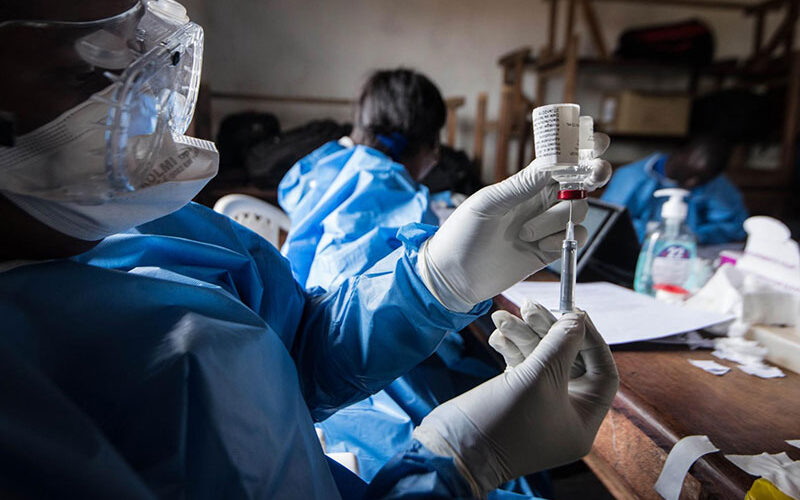
FRANCESCO GUARASCIO WHO foots the bill if people in poor countries fall sick with unexpected side-effects from coronavirus vaccines? It's not clear and that's a big problem in the battle to beat COVID-19. The World Health Organization (WHO) has so far left the question of financial claims unresolved as it seeks to ensure shots are fairly distributed around the world, according to confidential documents reviewed by Reuters and six people familiar with discussions. A similar situation emerged during the H1N1 swine flu pandemic in 2009-10. Back then, fears about potential compensation costs stymied the WHO's efforts to get vaccines to…
Read More
Training can improve patient and health worker safety in sub-Saharan Africa

Training can improve patient and health worker safety in sub-Saharan Africa

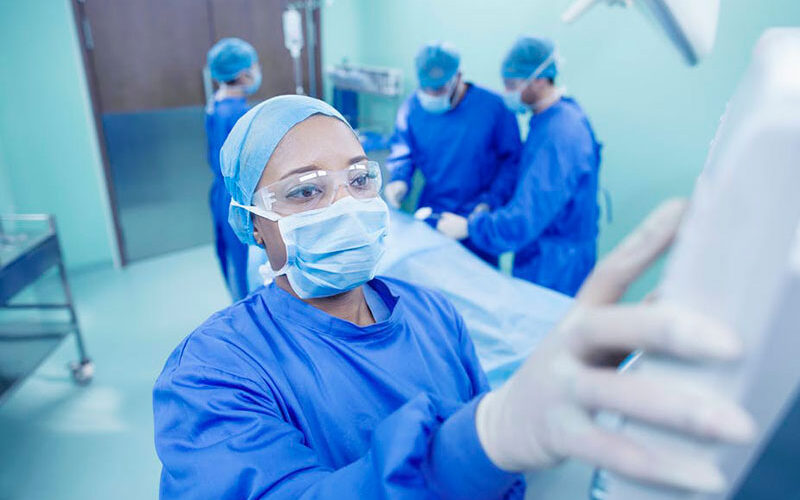
MEDICAL technology has made great advances. Yet, patients are often harmed while receiving medical care. Globally four out of 10 patients are harmed in primary and outpatient care. Furthermore, 15% of total hospital activity and expenditure is a direct result of adverse events or irregularities in healthcare delivery. PAUL KADETZ, Associate Professor , University of Global Health Equity ABEBE BEKELE, Dean of the School of Medicine, University of Global Health Equity AGNES BINAGWAHO, Vice Chancellor, University of Global Health Equity Worldwide, there are more than five avoidable deaths every minute as a result of mistakes made by healthcare providers. These…
Read More
South Africa’s Biovac in talks to manufacture COVID-19 vaccines

South Africa’s Biovac in talks to manufacture COVID-19 vaccines

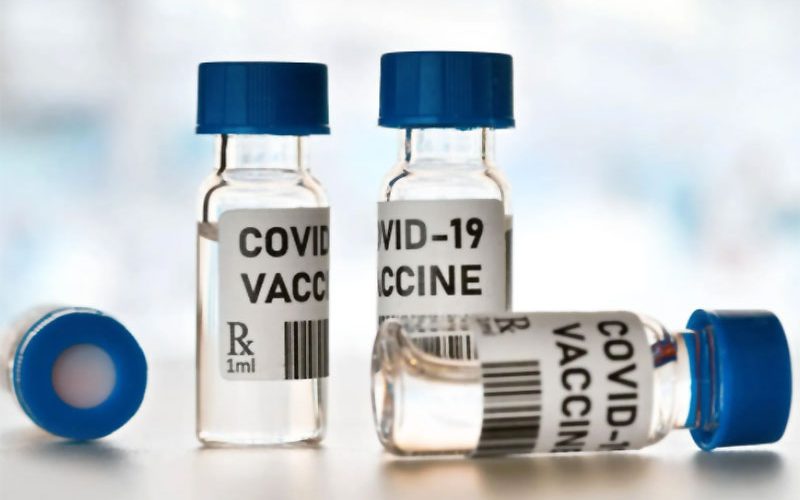
WENDELL ROELF and ALEXANDER WINNING A South African company part-owned by the government is in talks with the global COVID-19 vaccine distribution scheme and pharmaceutical companies to produce some of the vaccines the country needs to protect itself against the disease. The Biovac Institute, a Cape Town-based joint venture between the government and private sector, could produce up to 30 million doses of COVID-19 vaccines per year, depending on the technology involved, Chief Executive Morena Makhoana told Reuters. Depending on whether the vaccines require a one- or two-dose regimen, that could be enough for a quarter or half of South…
Read More
Thousands more underfed children may die due to COVID

Thousands more underfed children may die due to COVID

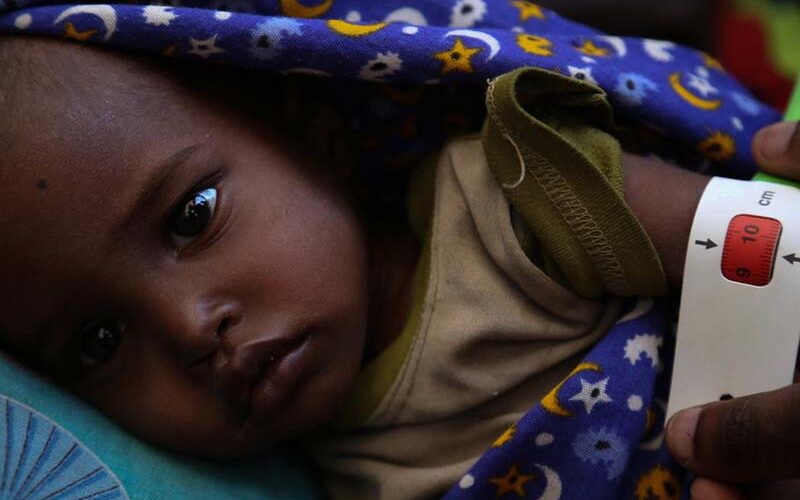
AN extra 10,000 children per month may die this year from malnutrition due to the COVID-19 crisis, the head of the World Health Organisation has warned. Tedros Adhanom Ghebreyesus told a U.N Food and Agriculture (FAO) conference that due to the pandemic he expected a 14% rise in cases of severe child malnutrition this year - or 6.7 million more people - mostly in sub-Saharan Africa and South Asia. "We cannot accept a world where the rich have access to healthy diets while the poor are left behind... the rich can afford to stay home, the poor must go out…
Read More
Algeria to reimpose restrictions after coronavirus cases rise

Algeria to reimpose restrictions after coronavirus cases rise

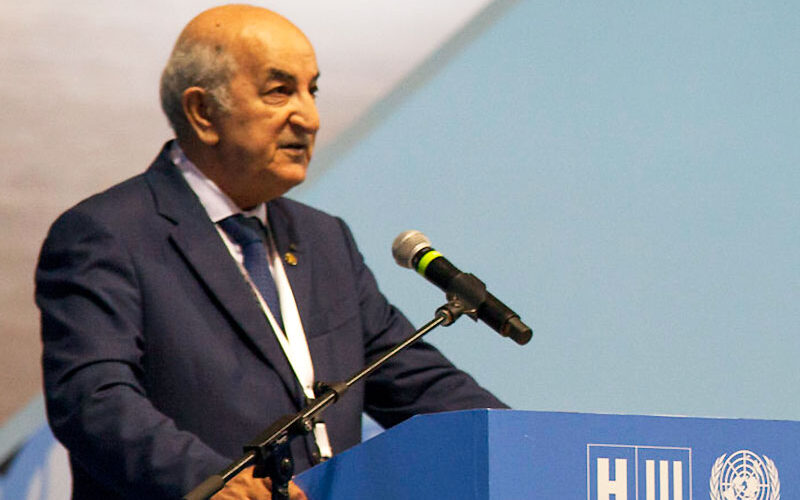
ALGERIA  will reimpose restrictions to combat the spread of COVID-19 from November 17, including closing gyms, cultural centres, leisure venues and used car markets, and limiting opening hours for some businesses, the prime minister's office said on Sunday. The new measures are aimed at coping with "the worrying phase that the country is experiencing in terms of the evolution of the epidemiological situation," it said in a statement. Under the restrictions, businesses such as cafes, restaurants, hair salons and toy shops will be ordered to close at 3:00 p.m. The North African country had started easing restrictions in June after…
Read More
Vaccine alliance secures $2 bln to fund COVID shots for poor nations

Vaccine alliance secures $2 bln to fund COVID shots for poor nations

KATE KELLAND and STEPHANIE NEBEHAY A facility set up by the World Health Organization (WHO) and the GAVI vaccine group has exceeded an interim target of raising more than $2 billion to buy and distribute COVID-19 shots for poorer countries but said it still needs more. The GAVI alliance has announced that the funds for an advance market commitment (AMC) will allow the COVAX facility to buy an initial one billion vaccine doses for 92 eligible countries which would not otherwise be able to afford them. "We've seen sovereign and private donors from across the world dig deep and meet…
Read More
Ethnic minorities disproportionately affected by coronavirus -The LancetE

Ethnic minorities disproportionately affected by coronavirus -The LancetE

ETHNIC minority groups are disproportionately affected by the novel coronavirus, with Blacks and Asians at increased risk of COVID-19 infection compared to white individuals, according to an analysis published in The Lancet medical journal  About 18.7 million patients from 50 studies were included to establish the findings, the analysis said. Forty-two of the studies were from the United States and eight from the United Kingdom. "Asians may be at higher risk of ITU (intensive therapy unit) admission and death," the analysis read. "These findings are of critical public health importance in informing interventions to reduce morbidity and mortality amongst ethnic…
Read More
Diabetes prevention and care needs more nurses with extra training and support

Diabetes prevention and care needs more nurses with extra training and support

AS the world grapples with COVID-19, a quieter and even more ferocious pandemic ravages the globe. Type 2 diabetes rates continue to soar internationally, linked to lifestyle factors such as poor diet, excessive sugary drink consumption, being sedentary, stress and smoking. These have been so “normalised” into modern culture, that diabetes escapes attention and urgent action. SUNDEEP RUDER, Clinical Endocrinologist & Associate Lecturer, University of the Witwatersrand According to the International Diabetes Federation, 463 million people have diabetes in the world. Prevalence in South Africa is estimated at around 12.8%. This places the number of people affected at around 4.5…
Read More
Liverpool’s Salah tests positive for coronavirus says Egyptian FA

Liverpool’s Salah tests positive for coronavirus says Egyptian FA

LIVERPOOL striker Mohamed Salah has tested positive for the coronavirus on the eve of Egypt's Africa Cup of Nations qualifier against Togo, the Egyptian Football Association has announced. "The medical swab conducted on the mission of our first national football team showed that our international player, Mohamed Salah, the Liverpool star, was infected with the Coronavirus, after his test came back positive," the federation said in a statement on its Facebook page. "The player does not suffer from any symptoms. The other members of the team tested negative. Salah underwent the medical protocol after the team's doctor coordinated with his…
Read More