Our website use cookies to improve and personalize your experience and to display advertisements (if any). Our website may also include cookies from third parties like Google Adsense, Google Analytics, and Youtube. By using the website, you consent to the use of cookies.

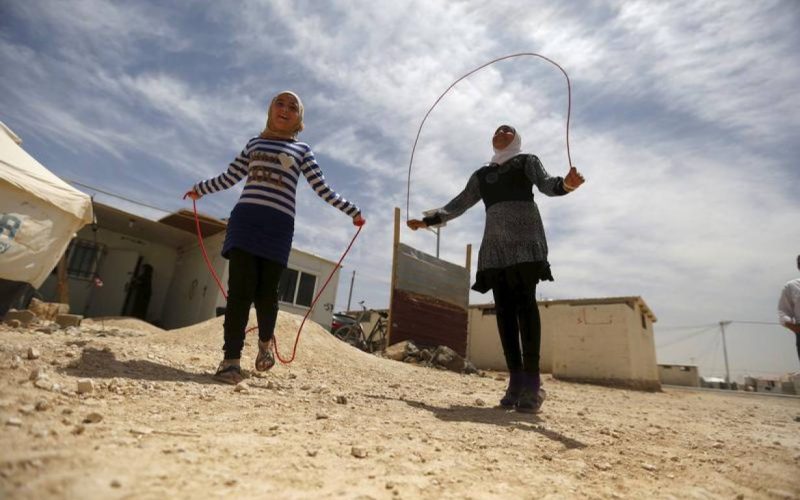
Coronavirus puts millions more at risk of child marriage and FGM

Coronavirus puts millions more at risk of child marriage and FGM

EMMA BATHA The coronavirus pandemic is reversing progress on ending child marriage and female genital mutilation (FGM), jeopardising the futures of millions of girls, a senior U.N. official said on Tuesday. "The pandemic both makes our job harder and more urgent as so many more girls are now at risk," said Natalia Kanem, head of the United Nations' sexual and reproductive health agency, UNFPA. An additional 13 million girls could be married off and two million more could undergo FGM in the next decade, beyond what would have been expected, as COVID-19 disrupts global efforts to end both practices, UNFPA…
Read More
Footballer’s crusade exposes long plight of Black migrants in Spain

Footballer’s crusade exposes long plight of Black migrants in Spain

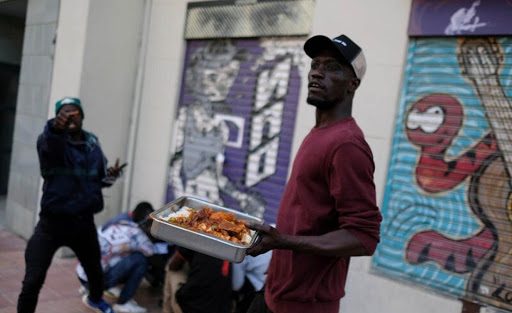
SOPHIE DAVIES A PROFESSIONAL footballer's campaign to provide shelter for homeless African fruit-pickers has exposed the decades-long plight of Black migrant farmworkers in Spain, according to human rights activists. Monaco winger Keita Balde, born in Spain to Senegalese parents, started paying for food and hotel rooms for about 80 seasonal workers this month on hearing about them sleeping rough in Catalonia, the wealthy northeastern region where he grew up. Balde, 25, said in an Instagram livestream "nobody deserves that kind of indifference in their lives. It is very ugly". Yet seasonal migrant workers sleeping rough is nothing new, with thousands…
Read More
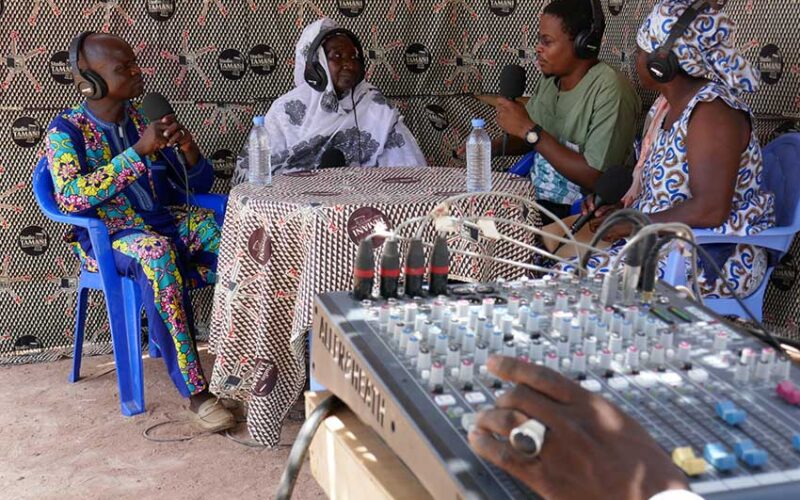
Radio in Mali can empower women by remembering they are part of a social web

Radio in Mali can empower women by remembering they are part of a social web

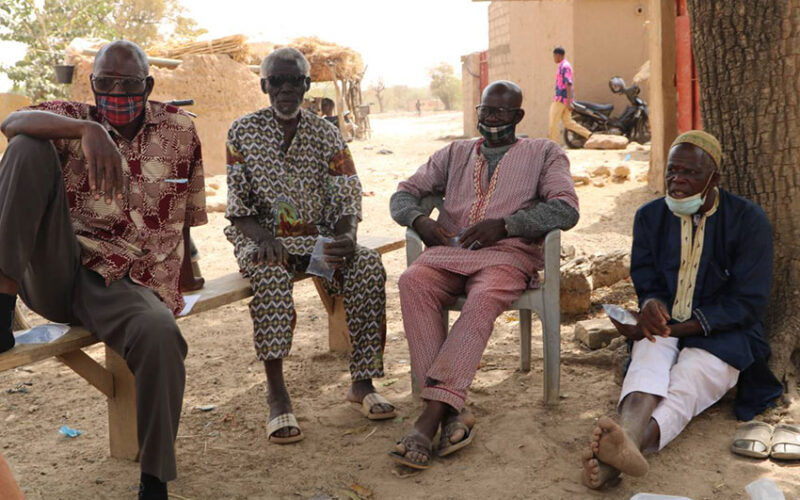
THE Malian politician, writer and women’s activist Aoua Kéita once argued that “The evolution of a country depends on the place that women occupy in the public space of that country.” Today, Malian women face multiple and intersecting barriers that prevent them from realising this vision. EMMA HEYWOOD, Lecturer and Researcher, University of Sheffield In a country with discriminatory laws, extensive polygamy and gender-based violence, and where husbands are often the sole decision-makers, Malian women live in an oppressive culture amid widespread poverty. To ease financial burdens, many Malian girls are forced to marry as children so their families can…
Read More
How the aid sector marginalises women refugees

How the aid sector marginalises women refugees

SHIMA BAHRE I am a woman, a refugee from Darfur, and the co-founder of an organisation committed to supporting other Sudanese refugee women in Kampala, Uganda. I have heard about the localisation process in humanitarian aid, but I do not feel its effect. What I do feel, and experience on a daily basis, are the numerous ways women – especially refugee women – are discriminated against in the humanitarian system. My experiences have taught me that, wherever we go, women need to stand up for ourselves and take leadership because no one understands the issues women from war zones face…
Read More
One year on: How the pandemic has affected refugees, asylum seekers, and migration

One year on: How the pandemic has affected refugees, asylum seekers, and migration

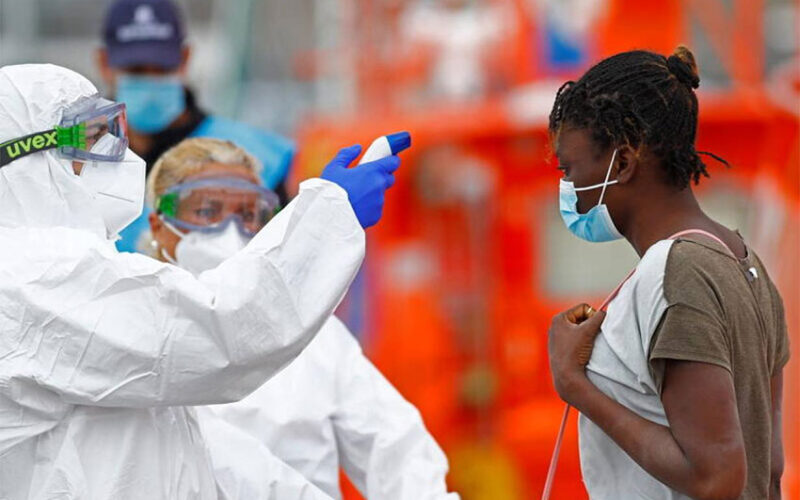
ERIC REIDY On 11 March 2020, the World Health Organization declared the beginning of the COVID-19 pandemic. As the virus first began spreading outside China, there was widespread fear that refugees, asylum seekers, and internally displaced people living in camps and densely populated urban areas would be hit particularly hard.  For reasons that still confound experts, the high death rates predicted in these settings have not come to pass – at least so far. As of mid-February, nearly 50,000 cases of COVID-19 and around 450 deaths have been recorded out of a global population of more than 80 million refugees and displaced people. “What's being reported suggests that what's happening…
Read More
The next UN humanitarian chief should be picked on merit

The next UN humanitarian chief should be picked on merit

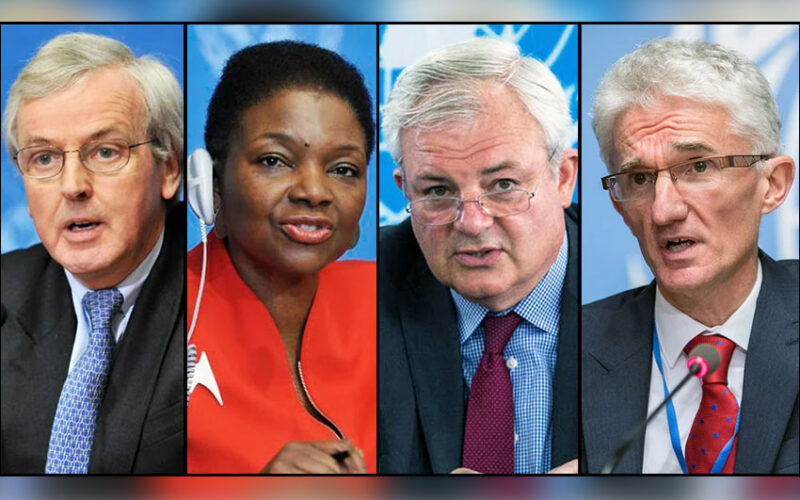
THE next head of humanitarian affairs at the United Nations should be chosen on merit, not by horse-trading between Downing Street and the top floor of the UN’s Manhattan HQ. The opportunity to succeed Emergency Relief Coordinator Mark Lowcock is still (officially at least) open – submissions close on 15 March – but the betting in diplomatic circles is that his successor, yet again, will be a British name put forward by London.  Thanks to an arcane UN convention, humanitarian affairs at the UN is a British fiefdom. We’re hearing that even if he knows it looks bad, Secretary-General António…
Read More
Affordable housing push fuels land tensions in Burkina Faso

Affordable housing push fuels land tensions in Burkina Faso

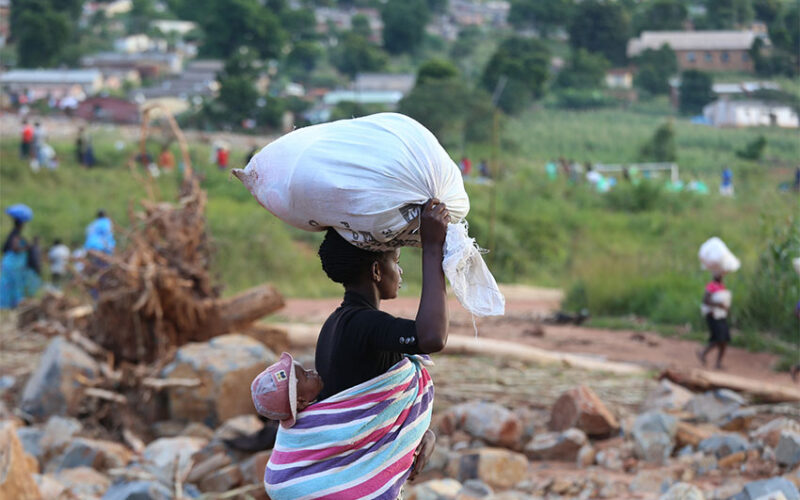
SAM MEDNICK WHILE Joanny Nakoulima was visiting neighbours in January, bulldozers blazed through his farm in central Burkina Faso unannounced, destroying his crops within minutes. The machines belonged to a property developer that claims it was granted the right to develop his land and that of other residents in Boassa village, as part of a government drive to increase affordable housing across the country, Nakoulima said. "I'm frustrated and I'm afraid," said the 66-year-old farmer, standing in front of a row of severed trees on his farm. "I'm powerless. But I know that one day the truth will be revealed…
Read More
Arbitrary detention and torture in Uganda: the government ignores the law

Arbitrary detention and torture in Uganda: the government ignores the law

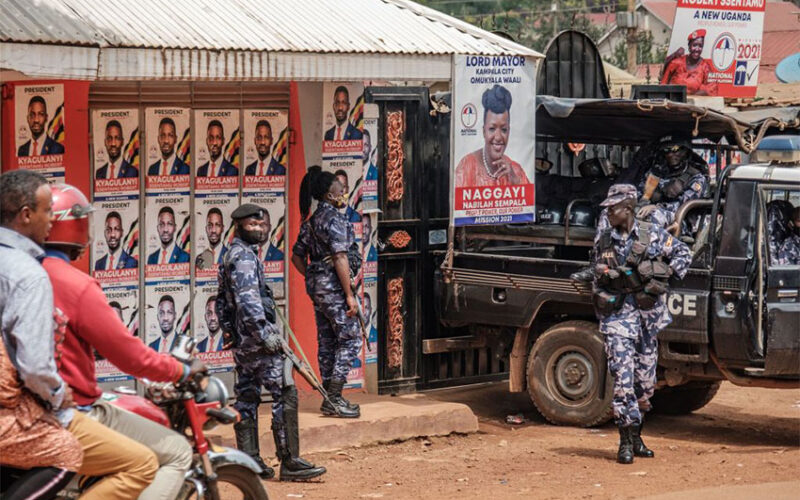
In Uganda, there have been widespread allegations of arbitrary detention and torture of members of the opposition. Moina Spooner, from The Conversation Africa, asked Jamil Ddamulira Mujuzi, a human rights expert who has been monitoring the situation in Uganda, to provide insights into domestic laws and what they say in relation to detention of civilians by security forces. JAMIL MUJUZI, Professor, University of the Western Cape What is arbitrary detention and what does Uganda’s law say in relation to it? Arbitrary detention is when a person is arrested and detained by a government without due process and without the legal…
Read More
Landmark study shows how child grants empower women in Brazil and South Africa

Landmark study shows how child grants empower women in Brazil and South Africa

SINCE the mid-1990s, new approaches to poverty reduction have been introduced in countries across Africa, Asia and Latin America. Some have involved income transfer programmes that target poorer citizens based on various means tests. Most have targeted female caregivers, primarily mothers. LEILA PATEL, Professor of Social Development Studies, University of Johannesburg NATASHA BORGES SUGIYAMA, Associate Professor of Political Science, University of Wisconsin-Milwaukee WENDY HUNTER, Professor of Government, The University of Texas at Austin College of Liberal Arts The most expansive child and family grants are in Brazil, Mexico, Chile, Argentina and South Africa, which has put in place the biggest…
Read More
Hard hit by COVID-19, migrants seen facing ‘invisible wall’

Hard hit by COVID-19, migrants seen facing ‘invisible wall’

ANASTASIA MOLONEY FROM Australia to Egypt, migrants and refugees have been especially hard hit by job losses and economic pain during the coronavirus pandemic, with many struggling to access healthcare and state aid, a survey showed on Tuesday. The survey, published in a report by the Red Cross Red Crescent (RCRC) Global Migration Lab, included 3,250 interviews with migrants in eight countries - Australia, Colombia, Egypt, Ethiopia, the Philippines, Sudan, Sweden and Britain. Migrant workers are over-represented in hard-hit sectors such as food production and hospitality, meaning they have been disproportionately affected by layoffs and wage losses linked to COVID-19, the…
Read More