Our website use cookies to improve and personalize your experience and to display advertisements (if any). Our website may also include cookies from third parties like Google Adsense, Google Analytics, and Youtube. By using the website, you consent to the use of cookies.

Journalists in hiding to IPS: silencing women journalists, is silencing the voice of Afghan women

Journalists in hiding to IPS: silencing women journalists, is silencing the voice of Afghan women

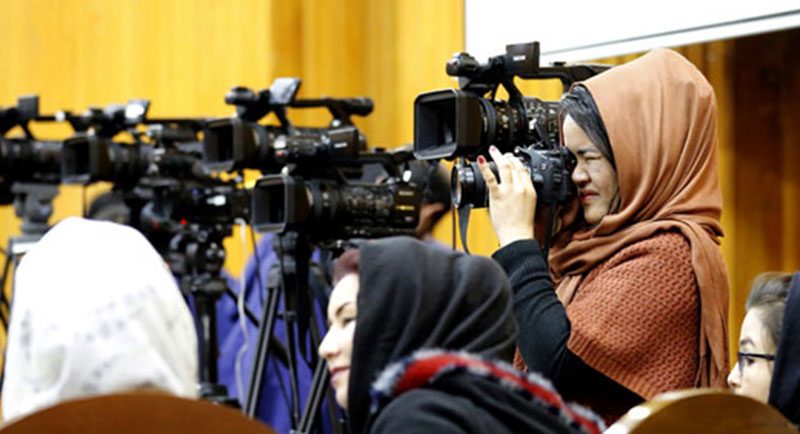
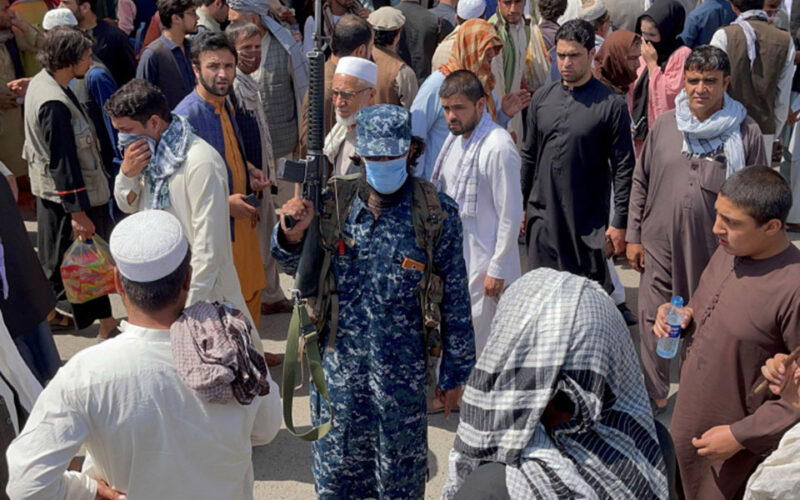
ZOFEEN EBRAHIM  “IF I fall into the hands of the Taliban, not only me but my family will be killed,” said AB, 23*, who worked as a broadcast journalist for the past seven years and is a well-known face on the television screen. Speaking on WhatsApp from her hideout in a city close to the capital Kabul, she said the Taliban came looking for her and were asking about her whereabouts from her neighbours, who, in turn, warned her family. “The Taliban have started house-to-house search and when they could not find me, left a warning with our neighbours to…
Read More
Challenging the internet’s colonial structure starts with looking to media history

Challenging the internet’s colonial structure starts with looking to media history

HISTORICALLY, many media institutions were at the service of “the colonising empire”, both in how they were modelled and used. They were meant to advance the ideology of colonisers in colonies. SIYASANGA M TYALI, Associate Professor and Chair of Department, University of South Africa Today some print and electronic media remain at the service of coloniality and imperialism. They play out colonialism’s legacy, coloniality – the patterns of power that persist long after the end of formal colonialism. This process has a regressive effect. It betrays the progressive role that is generally associated with media institutions as spaces of sharing…
Read More
“The media plays a significant role in nurturing and sustaining a culture of democracy”

“The media plays a significant role in nurturing and sustaining a culture of democracy”

JAMESINA E KING THE African Peer Review Mechanism (APRM) is considered as an arm of the African Union, founded in 2003 to promote good governance on the continent. Its process provides a platform for experience sharing, reinforcing best practices and building a bridge between citizens and governments. Our core mandate is to conduct country reviews to assess how member states are performing in the four main governance aspects known as APRM Thematic areas; namely democracy and political governance; economic governance and management; corporate governance; and socio-economic development. Therefore, as APRM, we recognize that the media plays a significant role in…
Read More
Ghana’s media need to up their game in covering the presidential election court case

Ghana’s media need to up their game in covering the presidential election court case

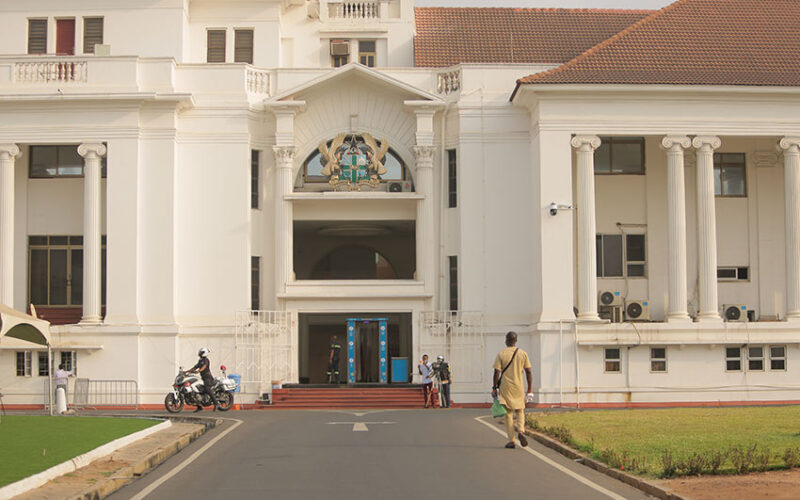
GHANA, touted for its democracy and peaceful transfer of power since 1992, faced its first presidential election dispute in 2012. This was the sixth election of the country’s fourth republic. ESI THOMPSON, Assistant Professor, Indiana University Six months prior to the elections, the sitting president, John Evans Atta Mills, passed away and the vice-president, John Mahama, was sworn in as president. When the Electoral Commission declared the incumbent the winner of the presidential poll, the outcome was disputed by Nana Addo Dankwa Akufo-Addo, presidential candidate of the leading opposition party, the New Patriotic Party. He petitioned the Supreme Court to…
Read More
Alarming crisis of impunity for crimes against journalists in DRC

Alarming crisis of impunity for crimes against journalists in DRC

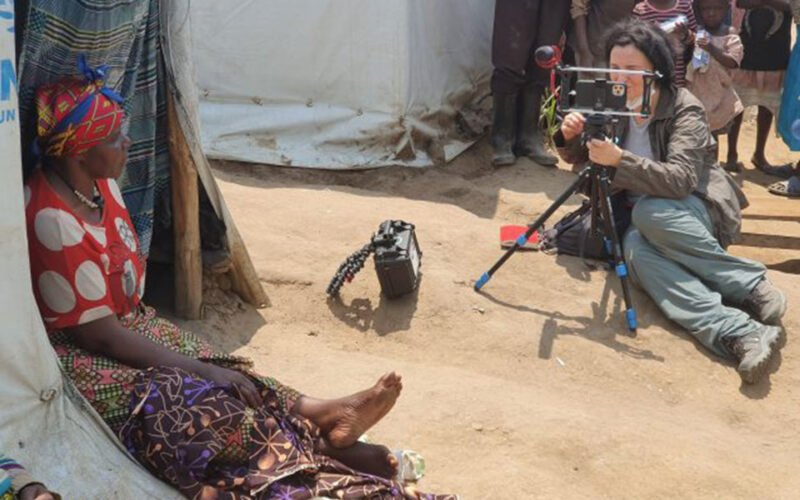
SANIA FAROOQUI THE Democratic Republic of Congo is one of the most hostile and dangerous regions for journalists. A complex conflict, deeply rooted in the country’s past, allows very little freedom, both movement and the press. “There are multiple actors involved, and as a journalist, we have the duty of admitting this complexity,” says Elena Pasquini, founder and editor in chief of Degrees of Latitude, in an interview with IPS. “Be aware of the difficulties when it comes to understanding the issues, and be careful of every single word we use to portray this conflict.” Pasquini, who reported from the DRC…
Read More
How advertisers defund crisis journalism

How advertisers defund crisis journalism

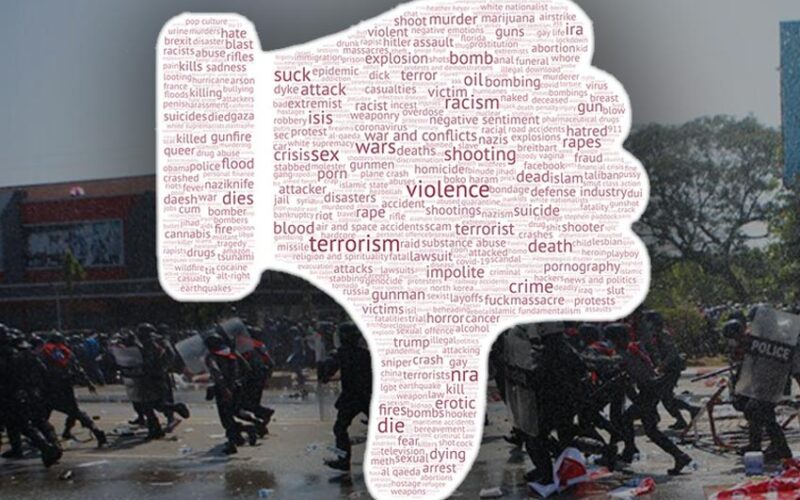
BEN PARKER HARD news about humanitarian and social issues is being treated as toxic by overzealous ad technology, undermining corporate social responsibility and effectively punishing publishers for reporting on international crises, researchers say. Take the winning of the Nobel Peace Prize in 2020. This was big news for the World Food Programme, but ad technology scanning for gloomy keywords like “famine” and “conflict” meant that big advertisers shied away from it on major media sites: An upbeat NBC article about WFP’s win was boycotted automatically by dozens of advertisers. This is just one example revealed by new research on the hidden rules of…
Read More
Tunisian president replaces head of television station

Tunisian president replaces head of television station

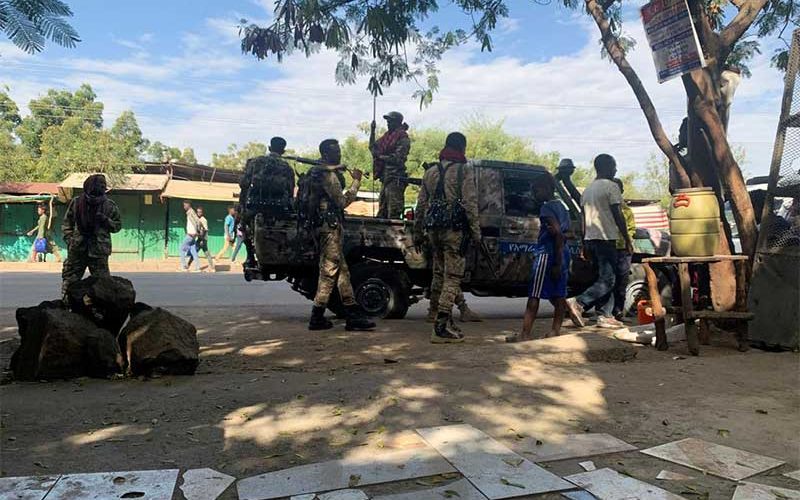
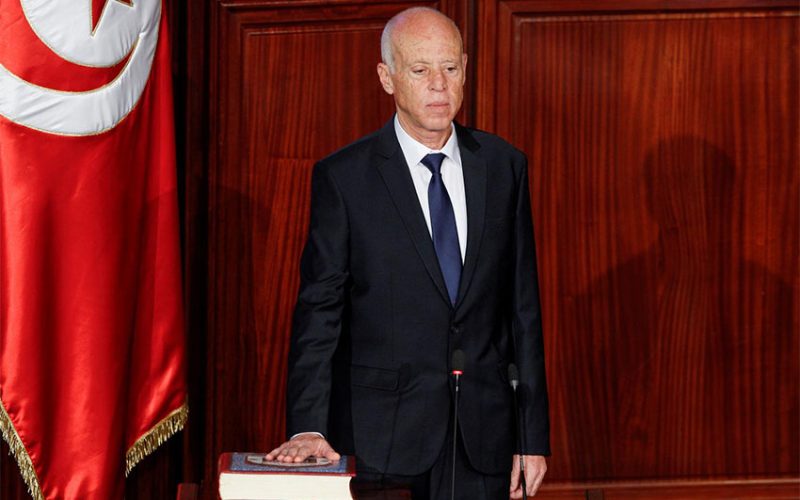
TUNISIAN President Kais Saied removed the head of the national television station, Mohamed al-Dahach, on Wednesday and appointed a temporary replacement, his office said, after calls to protect free speech. Saied on Sunday invoked emergency powers to seize control of the government, remove the prime minister and freeze Parliament in a move his foes have called a coup. He removed Dahach after an incident on Wednesday afternoon when officials from the journalists' syndicate and human rights league said they were forbidden entry to the station even though they had been invited to appear on a show. Amira Mohammed, the deputy…
Read More
Official Secrets Act: UK government has a long history of suppressing journalism to hide its misdeeds

Official Secrets Act: UK government has a long history of suppressing journalism to hide its misdeeds

THE UK government recently put out for consultation proposals for toughening the Official Secrets Act, ostensibly to deter foreign spies. PAUL LASHMAR, Reader in Journalism, City, University of London Many lawyers, lawmakers and journalists have argued that laws concerning official data and secrets are in need of updating to fit a world where espionage and leaks are largely conducted through new technology. But a close reading of the new proposals suggests the agenda is as much to deter journalists, whistleblowers and sources from embarrassing government and intelligence agencies. The words “journalist” and “journalism” appear nowhere in the main text, and…
Read More
Uganda security personnel beat journalists covering petition on rights abuses

Uganda security personnel beat journalists covering petition on rights abuses

ELIAS BIRYABAREMA UGANDAN military and police officers beat and seriously injured journalists on Wednesday as they covered the delivery of a petition about human rights violations to a United Nations office, a rights group said. The security personnel assaulted the journalists as they covered opposition leader and pop star Bobi Wine, who was petitioning the local U.N. human rights office to investigate reported incidents of rights violations. Police will release a statement on the incident later, a police spokesman said. At least 20 journalists were hurt in the attack, with at least four sustaining deep cuts on the head that…
Read More
Botswana police use Israeli Cellebrite Tech to search another journalist’s phone

Botswana police use Israeli Cellebrite Tech to search another journalist’s phone

JONATHAN ROZEN TSAONE Basimanebotlhe was not expecting security agents to appear at her home in a village outside Gaborone, Botswana’s capital, in July 2019, she told CPJ in a recent interview. But they didn’t come to arrest or charge her, she recalled – they came for her devices, hunting for the source for an article published by her employer, Mmegi newspaper. Basimanebotlhe, a politics reporter, said she surrendered her phone and password to the agents after they presented a warrant and could not find her computer. A senior officer then used technology sold by the Israel-based company Cellebrite to extract and analyze thousands of…
Read More