Our website use cookies to improve and personalize your experience and to display advertisements (if any). Our website may also include cookies from third parties like Google Adsense, Google Analytics, and Youtube. By using the website, you consent to the use of cookies.

Saving journalism: views on how to pay for reliable information

Saving journalism: views on how to pay for reliable information

JOURNALISM globally faces a sustainability crisis. It largely stems from declining advertising revenue, loss of revenue to technology giants, control of news media by political actors and individuals with business interests, disinformation and dwindling public trust. Author THEODORA DAME ADJIN-TETTEY, Research Associate, School of Journalism and Madia Studies, Rhodes University, South Africa / Lecturer, Department of Communication Studies, University of Ghana, Rhodes University Twisting the knife in the wound, the financial pressure on media organisations has been worsened by the COVID-19 pandemic. In the US, for example, at least 21 local newspapers merged and about 1,400 newsroom staffers lost their…
Read More
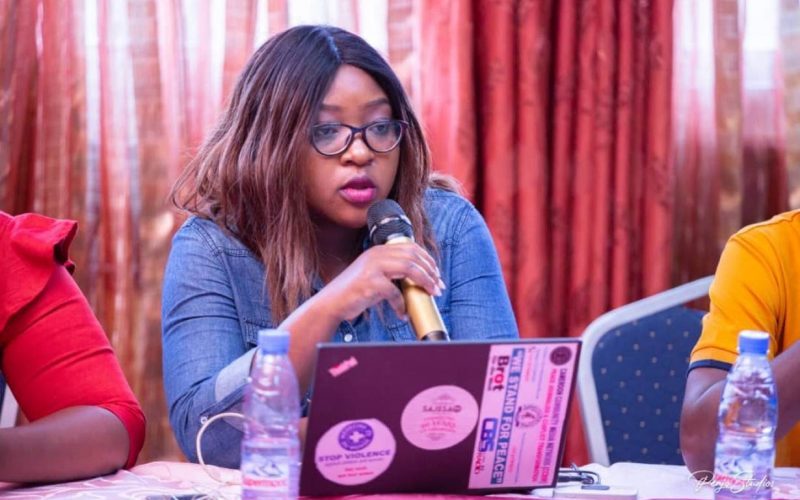
Africa’s female journalists use radio to dispel coronavirus fake news and sexism

Africa’s female journalists use radio to dispel coronavirus fake news and sexism

FROM rural villages in Malawi to the war-torn streets of north-west Cameroon, rising numbers of female radio hosts are taking to the air to dispel fake news and myths about the novel coronavirus whilst also tackling sexism. Radio is the only source of information in many parts of rural Africa and viewed as an important medium to stem the spread of the coronavirus across the continent which has so far been less severely hit by COVID-19 than other regions. Africa has recorded about 100,000 cases of coronavirus, according to the African Centre for Disease Control, but the World Health Organization…
Read More

South Africa’s Freedom Charter campaign holds lessons for the pursuit of a fairer society

Benjamin Roberts The Freedom Charter, the document that became the blueprint for a free South Africa, turns 65 this year. It was adopted by the Congress of the People in Kliptown, Soweto, on 26 June 1955. The meeting brought together several organisations and individuals allied to the liberation movement, the African National Congress (ANC). Much has been written about the enduring significance of the document. This includes its vision for a just social and economic order, its influence on South Africa’s widely celebrated constitution, and the degree to which changes in the country since the end of apartheid in 1994…
Read More
Welcome to The African Mirror

Welcome to The African Mirror

JOVIAL RANTAO The dream of many Africans has always been to have their own stories told by themselves to themselves and the world. That is the strong foundation on which The African Mirror has been built.  From today, Africans will make a contribution to the achievement of a decades-long dream by Africans to reclaim their narrative. As Africans continue to build the continent, one country at a time, we make bold that never again shall our stories be told by someone else.   Despite its setbacks over the years – marked by, among others, under-development, diseases and wars – Africa has…
Read More
Social media: Africans oppose government restrictions

Social media: Africans oppose government restrictions

JEFFREY CONROY-KRUTZ WHEN it comes to fighting COVID-19 in Africa, the internet and social media have been a double-edged sword. Governments and public health officials have used Twitter, WhatsApp, Facebook and other social media to reach large numbers of people, quickly and efficiently, with information on how to stay healthy and limit the virus’s spread. And digital networks have allowed people to stay in touch, and some businesses to operate, in the face of lockdowns and social-distancing guidelines. Yet these technologies have also facilitated the spread of misinformation. Messages disseminated on WhatsApp claimed that people could self-test by holding their…
Read More
Ten years on, a call for justice for the murder of photojournalist Anton Hammerl in Libya

Ten years on, a call for justice for the murder of photojournalist Anton Hammerl in Libya

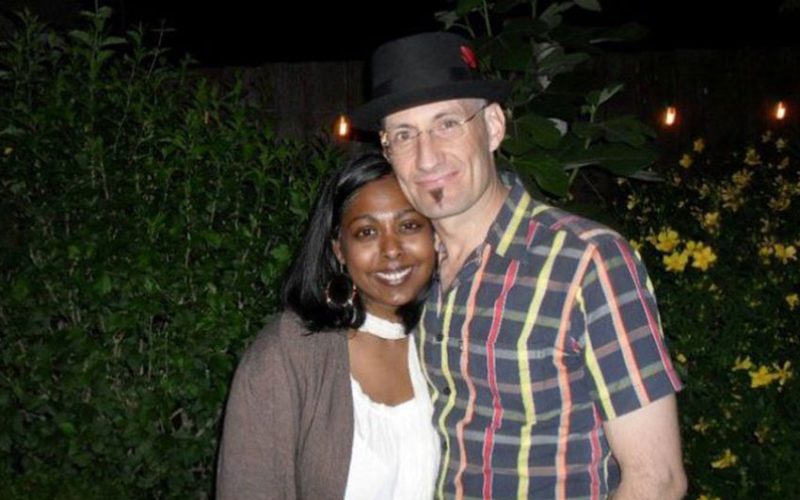
JUST days before the tenth anniversary of photojournalist Anton Hammerl’s death, his widow Penny Sukhraj-Hammerl has launched a campaign to seek justice for his murder. Anton Hammerl was shot and fatally wounded in Libya by forces loyal to Gaddafi on April 5, 2011. He was covering the 2011 Libyan conflict as a freelancer. After a decade with no action, no answers and no accountability, Penny Sukhraj-Hammerl has instructed a legal team from Doughty Street Chambers. Her intention to renew the pursuit for justice for Anton was announced in an online launch and press briefing, hosted by Doughty Street Chambers with…
Read More
Ethiopian police release detained Reuters cameraman without charge

Ethiopian police release detained Reuters cameraman without charge

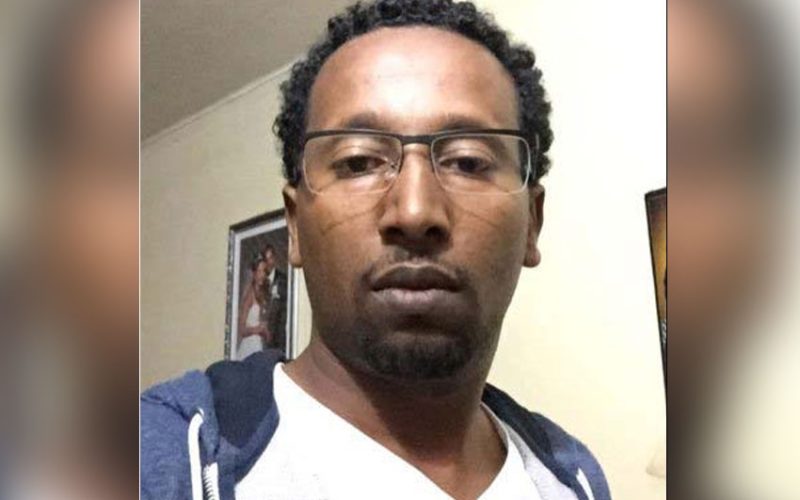
ETHIOPIAN police have released Reuters cameraman Kumerra Gemechu after detaining him without charge for 12 days. Police had told his lawyer Melkamu Ogo that their lines of inquiry included accusations of disseminating false information, communicating with groups fighting the government, and disturbing the public's peace and security. However, Ogo said he had seen no evidence. "We are delighted that Kumerra has been released and reunited with his family. His release today affirms he has done nothing wrong," Reuters Editor-in-Chief Stephen J. Adler said in a statement. "Kumerra is a journalist who has consistently demonstrated his professionalism and commitment to accuracy,…
Read More
Zimbabwe journalist arrested for third time in six months

Zimbabwe journalist arrested for third time in six months

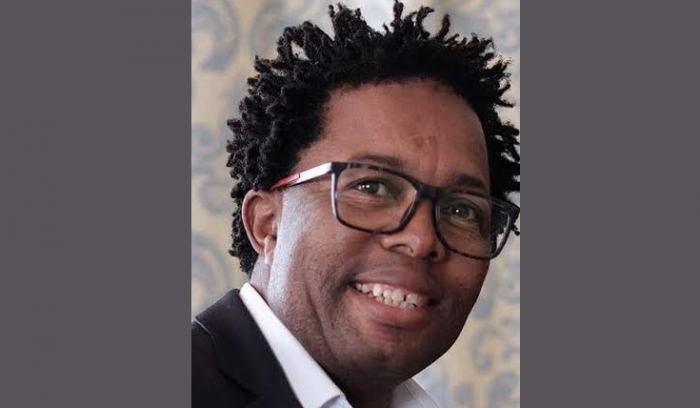
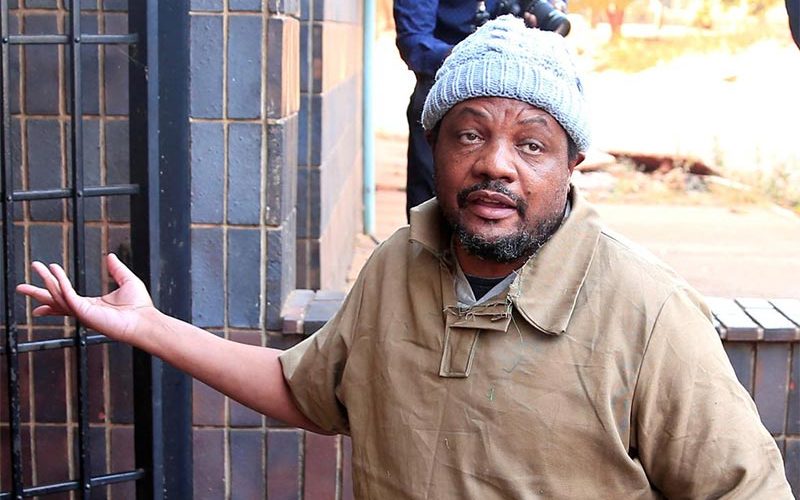
ZIMBABWEAN journalist and government critic Hopewell Chin'ono was arrested yesterday on charges of communicating false information, his third arrest inside six months, his lawyer said. Chin'ono, who has a large social media following, has been critical of President Emmerson Mnangagwa's rule, accusing his government of corruption and mismanagement. His comments have been unusually outspoken for a journalist in Zimbabwe, where critics are often dealt with harshly. The United States embassy in Harare said it was concerned for Chin'ono's welfare. Police spokesman Andrew Phiri said he could not comment on Chin'ono's latest arrest, which the journalist himself tweeted about, saying: "The…
Read More
U.S. senators call for release of journalists in Ethiopia

U.S. senators call for release of journalists in Ethiopia

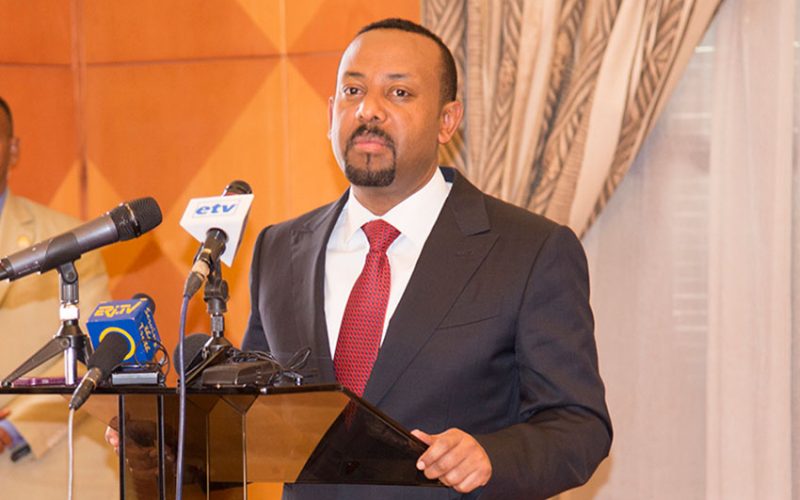
THREE leading Democratic U.S. senators have written to Ethiopia's prime minister to express concern about the erosion of press freedoms in the country and to call for the release of journalists detained there. The letter from Senators Chris Murphy, Patrick Leahy and Ben Cardin to Prime Minister Abiy Ahmed and said that "over the last few months, the Ethiopian government has increasingly engaged in a pattern of intimidation against journalists". They said this trend was in stark contrast to the beginning of his premiership in 2018 when his government had freed scores of detained journalists. "We urge you to return…
Read More
Chin’ono’s arrest is arbitrary and has no foundation in law

Chin’ono’s arrest is arbitrary and has no foundation in law

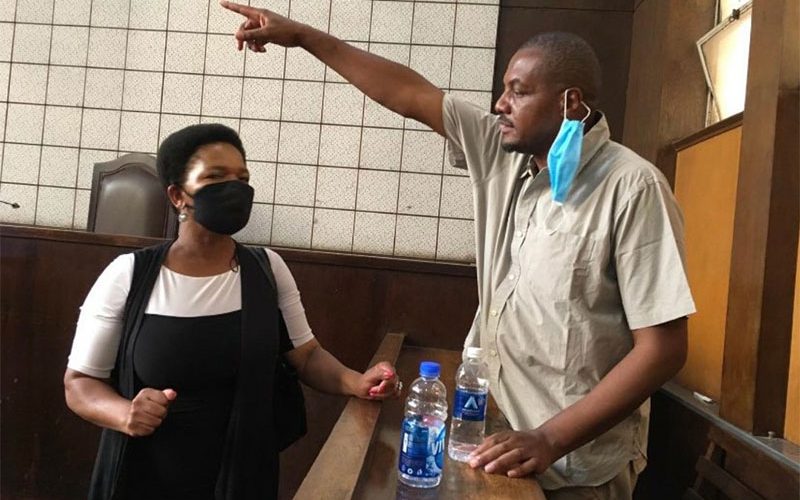
DUMISANI MULEYA ON January 8,  2021, Zimbabwean police arrested award-winning journalist Hopewell Chin’ono at his home in Harare for allegedly publishing a falsehood or communicating false information which is prejudicial to the state. After that police also arrested opposition leaders Job Sikhala and Fadzayi Mahere on the same charges. This emanated from a widely circulated video on social media in which a police officer is seen quarrelling amid pushing and shoving with a group of people accusing him of striking and killing a baby with a baton. The mother of the baby is also seen grabbing the policeman, with people…
Read More