Our website use cookies to improve and personalize your experience and to display advertisements (if any). Our website may also include cookies from third parties like Google Adsense, Google Analytics, and Youtube. By using the website, you consent to the use of cookies.

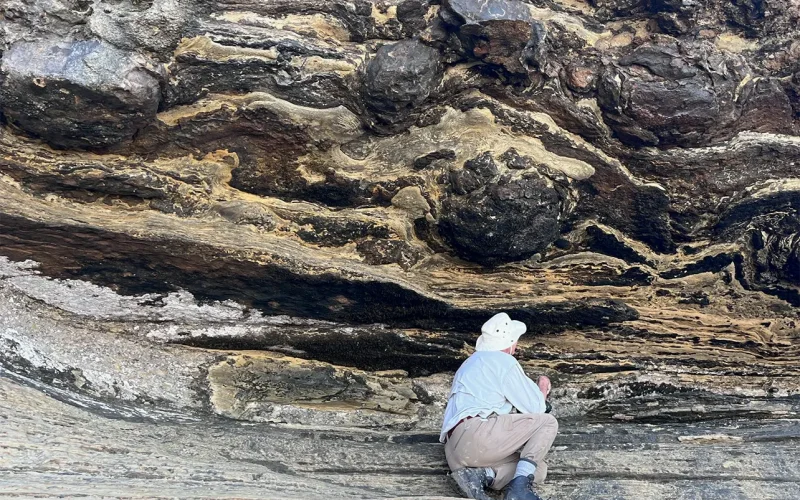
Dinosaur tracks, made 140 million years ago, have been found for the first time in South Africa’s Western Cape

Dinosaur tracks, made 140 million years ago, have been found for the first time in South Africa’s Western Cape

DINOSAURS have captured people’s imagination ever since their bones and teeth were first scientifically described in 1822 by geologist and palaeontologist Gideon Mantell in England. Dinosaur bones have taught us a great deal about these animals from the “age of dinosaurs”, the Mesozoic Era, which stretched from approximately 252 million years ago to 65 million years ago. However, there’s something especially appealing about a different kind of dinosaur fossil: their tracks, which show researchers what the animals were doing while they were alive. Ichnology is the study of tracks and traces and, since 2008, the Cape South Coast Ichnology Project…
Read More
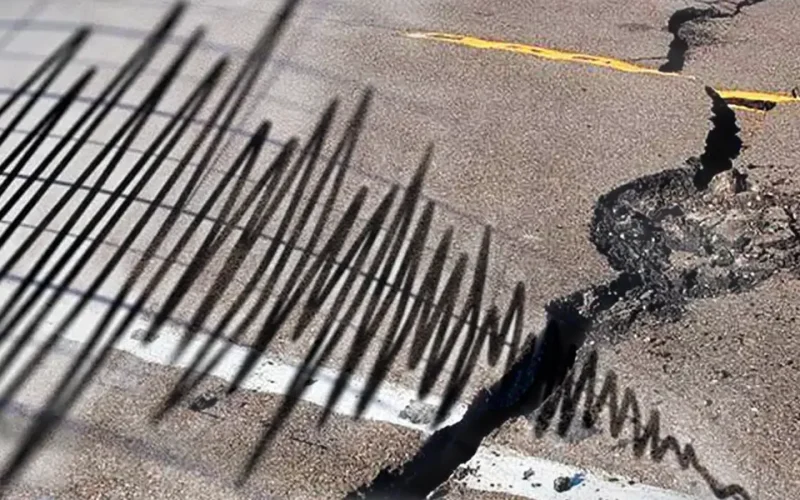
Why does Ethiopia have earthquakes and volcanoes? A geologist explains

Why does Ethiopia have earthquakes and volcanoes? A geologist explains

A swarm of earth tremors and fears of volcanic eruptions in January forced tens of thousands of people to move away from Awash Fentale, an area in the Afar region of Ethiopia. The area falls within a geologically active region of the Great Rift Valley that has experienced a number of earthquakes and volcanic events in the last 800 years. Two major volcanic eruptions occurred in 1250 and 1820 AD. What’s unfolded in Fentale in 2025 is part of an ongoing process millions of years in the making, deep under the earth’s surface. Scientists see it as a fascinating natural…
Read More
‘Myrrh, conifer oil and … breakfast tea’: my sniffer team’s surprise findings on what mummified bodies smell like

‘Myrrh, conifer oil and … breakfast tea’: my sniffer team’s surprise findings on what mummified bodies smell like

WHEN we see objects in museum display cases, it often doesn’t tell their whole story. One thing that tends to get ignored or even lost in the conservation process is the smell. We lose a lot of valuable information as a result, such as how the object was produced or how it functioned. My field is called sensory heritage, which relates to how we engage with heritage objects with senses other than vision. As part of this, I develop methods to identify and preserve culturally significant smells. For example, I have worked with St Paul’s Cathedral to recreate the scent…
Read More
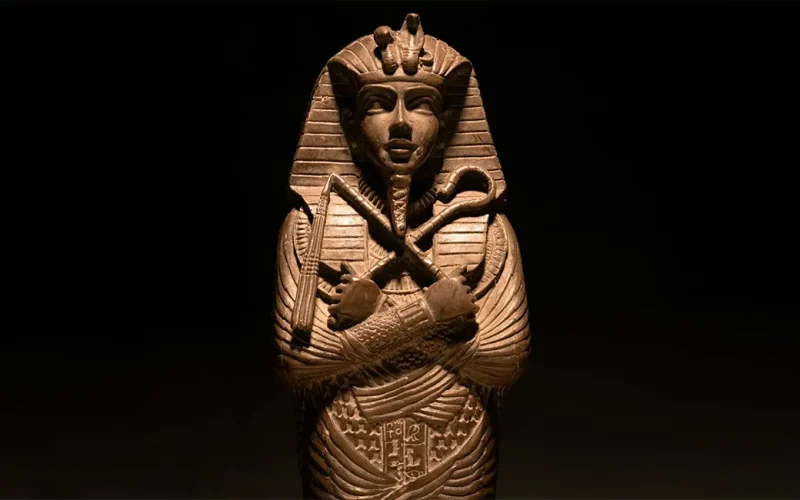
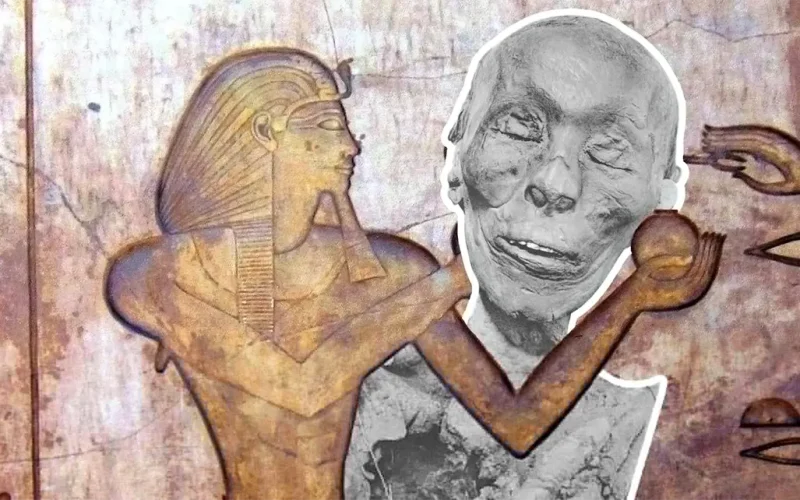
It’s the biggest Egyptian tomb discovery in a century. Who was Thutmose II?

It’s the biggest Egyptian tomb discovery in a century. Who was Thutmose II?

ARCHAEOLOGISTS in Egypt have made an exciting discovery: the tomb of Pharaoh Thutmose II, a ruler who has long been overshadowed by his famous wife and half-sister, Queen Hatshepsut. The remarkable find is located in the Western Valley (a burial ground for queens rather than kings), near the complex of Deir el-Bahari, which houses the funerary temple of Hatshepsut. Both of us worked together as archaeologists at this spectacular site some 15 years ago. Thutmose II’s tomb has been labelled the first, and biggest, discovery of a royal tomb since Tutankhamun’s tomb was found just over 100 years ago. Despite…
Read More
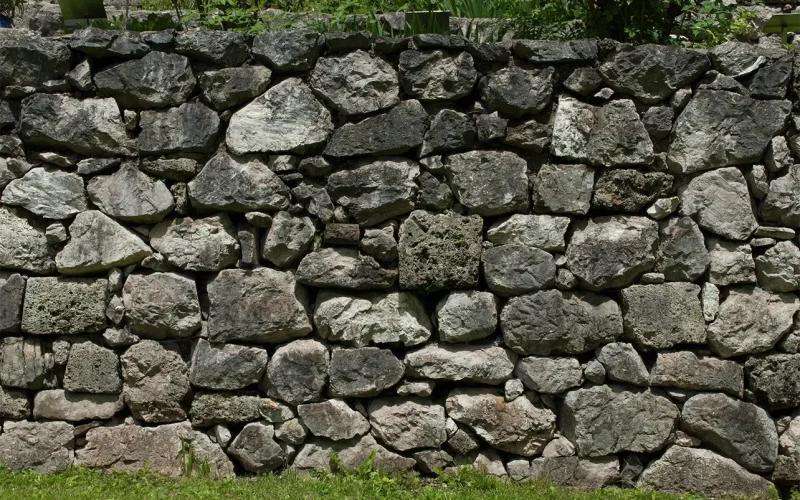
Ancient stone walls and power: what data science tools can reveal in African archaeology

Ancient stone walls and power: what data science tools can reveal in African archaeology

VISIBILITY has always been important in people’s decisions about where to live and how to arrange their spaces. People make connections with what they can see. Being able to see prominent landmarks, such as certain mountain peaks, rivers or ancestral sites, could help reinforce a community’s connection to its cultural and spiritual landscape. Some people prefer homes with scenic views, such as apartments overlooking parks or waterfronts, and businesses often choose locations with high visibility to attract customers. In both ancient and modern contexts, visibility plays a key role in how people position themselves in their environment. That’s why visibility…
Read More
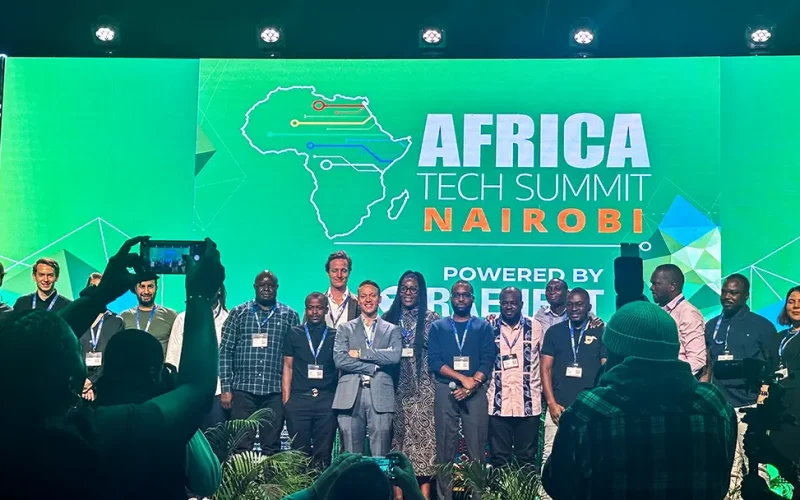
Wide range of tech firms scoop awards at top African industry summit

Wide range of tech firms scoop awards at top African industry summit

AT this year’s Africa Tech Summit in Nairobi, Kenya, innovators driving transformation were recognised for their impact. The awards reflect a shift in the continent’s tech scene: solutions are no longer just about bridging digital divides but about re-engineering industries, from financial services to agritech. Here are some of the winners: - Agritech Award – Mazao AgClimate Limited (Tanzania): Addressing soil degradation and over-reliance on synthetic fertilisers, MazaoHub helps smallholder farmers restore soil health and improve yields while reducing environmental damage. - AI Award – Cassava Technologies (South Africa): Developing AI-driven connectivity, cybersecurity, and cloud infrastructure, ensuring Africa’s digital economy…
Read More
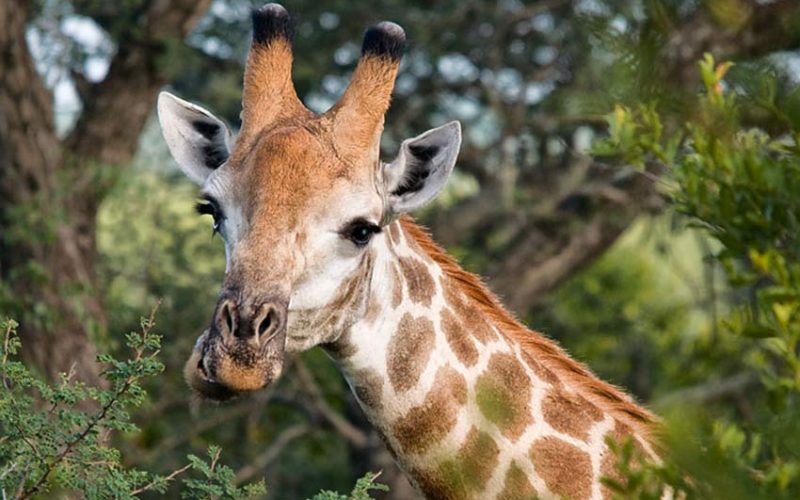
We studied more than 500 giraffe skulls from all over Africa – and confirmed there are 4 distinct species

We studied more than 500 giraffe skulls from all over Africa – and confirmed there are 4 distinct species

GIRAFFES are among the world’s most recognisable animals. With their elongated necks and long legs, their gracious movements and unique coat patterns, they have inspired people’s imaginations for centuries. But is a giraffe just a giraffe? Or is there more variety between the animals at a genetic level than is evident just from looking at them? For more than a decade many researchers have compared the DNA of giraffes from all parts of Africa. These studies have revealed that there are four distinct giraffe species: the southern (Giraffa giraffa), Masai (Giraffa tippelskirchi), reticulated (Giraffa reticulata), and northern (Giraffa camelopardalis) giraffe.…
Read More
DeepSeek: how a small Chinese AI company is shaking up US tech heavyweights

DeepSeek: how a small Chinese AI company is shaking up US tech heavyweights

CHINESE artificial intelligence (AI) company DeepSeek has sent shockwaves through the tech community, with the release of extremely efficient AI models that can compete with cutting-edge products from US companies such as OpenAI and Anthropic. Founded in 2023, DeepSeek has achieved its results with a fraction of the cash and computing power of its competitors. DeepSeek’s “reasoning” R1 model, released last week, provoked excitement among researchers, shock among investors, and responses from AI heavyweights. The company followed up on January 28 with a model that can work with images as well as text. So what has DeepSeek done, and how…
Read More
South African telescope discovers a giant galaxy that’s 32 times bigger than Earth’s

South African telescope discovers a giant galaxy that’s 32 times bigger than Earth’s

YOU may not know it, but right now there’s a huge cosmic rave party happening far, far above our heads. The chief partygoers are known as supermassive black holes. These mysterious objects can have masses several million or billion times that of the Sun and are so dense that they warp space-time around them. As far as astronomers know, all galaxies harbour a supermassive black hole at their very centres. In some galaxies, large amounts of interstellar gas are spiralling around the supermassive black hole and getting pulled in beyond the event horizon and essentially onto the black hole. This…
Read More
Discovery in South Africa holds oldest evidence of mixing ingredients to make arrow poison

Discovery in South Africa holds oldest evidence of mixing ingredients to make arrow poison

IN 1983 archaeologists excavating a cave in South Africa discovered an unusual femur bone. It belonged to an unspecified antelope and was found to be 7,000 years old. X-rays revealed that three modified bone arrowheads had been placed into the marrow cavity. At the conclusion of the 1983 excavation the bone, together with other artefacts recovered from the cave, was placed in the University of the Witwatersrand’s Archaeology Department storerooms. It lay there until 2022. That’s when new archaeological investigations began at the site where the femur had been discovered: Kruger Cave, in the western Magaliesberg mountains, about 1.5 hours…
Read More