Our website use cookies to improve and personalize your experience and to display advertisements (if any). Our website may also include cookies from third parties like Google Adsense, Google Analytics, and Youtube. By using the website, you consent to the use of cookies.

Tsitsi Dangarembga and writing about pain and loss in Zimbabwe

Tsitsi Dangarembga and writing about pain and loss in Zimbabwe

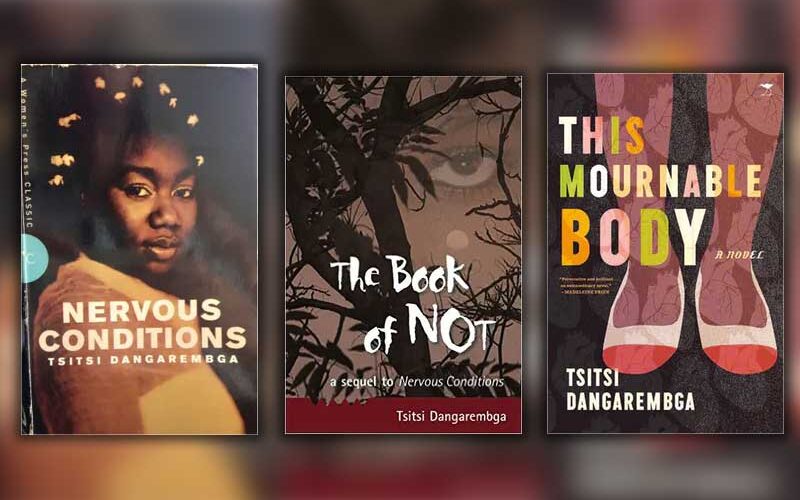
ROSEMARY CHIKAFA-CHIPIRO, Lecturer, University of Zimbabwe TSITSI Dangarembga has made a name for herself as a writer, filmmaker and activist in Zimbabwe. She gained international acclaim with her debut novel Nervous Conditions (1988), which became the first published English novel by a black woman from Zimbabwe. The BBC named it one of the top 100 books that have shaped the world. Now, over three decades later, Dangarembga’s latest novel – This Mournable Body, the third in a trilogy that began with Nervous Conditions and the subject of this review – has been placed on the longlist for the 2020 Booker…
Read More
Africa and the Testament of the Gods

Africa and the Testament of the Gods

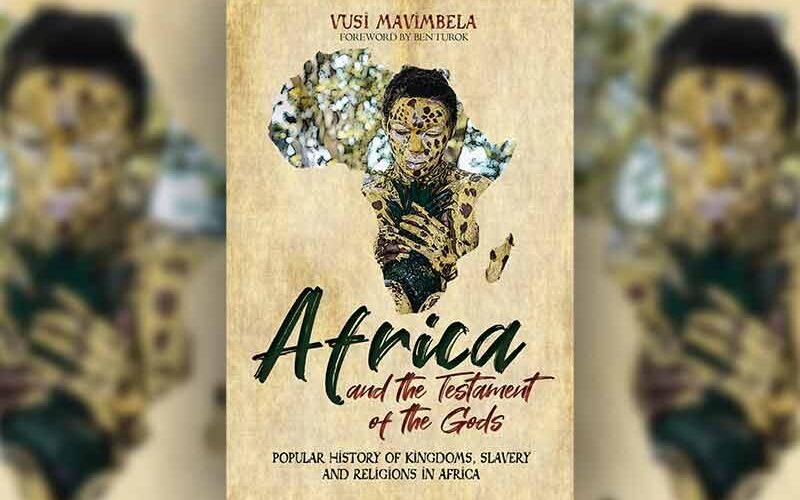
VUSI MAVIMBELA IN the 1960 film Inherit the Wind, there is a court dramatisation where defence lawyer Henry Drummond says: “I am trying to establish whether Howard or Brady or Charles Darwin or anybody sitting around this court, or you Sir, has a right to think”. The presiding officer intervenes and says: “Mr Drummond, the right to think is not on trial here”. Drummond retorts: “Well, with all due respect to the court, the right to think is very much on trial here and it is fearfully in danger in the proceedings of this court room…A thinking man is faced…
Read More
Book review | The blood politics of a warring ANC

Book review | The blood politics of a warring ANC

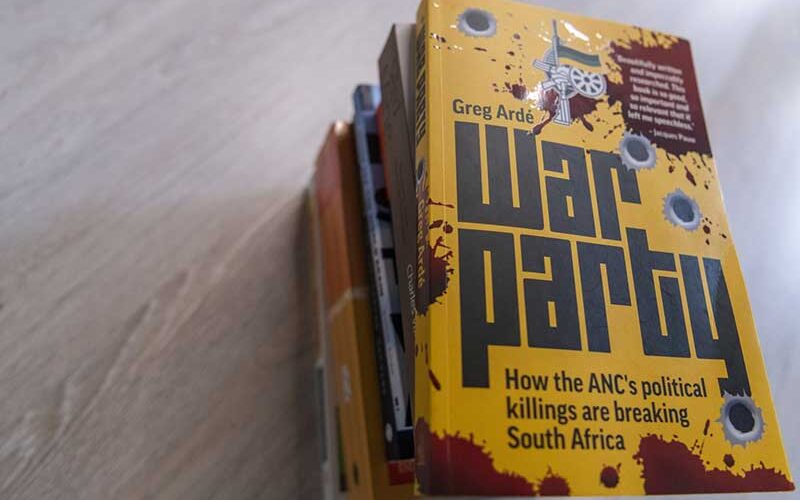
JAN BORNMAN GREG Ardé’s War Party: How the ANC’s Political Killings Are Breaking South Africa is a cautionary tale of how the murderous rot in one province is damaging an entire country. In the late 1980s and early 1990s, the then province of Natal and the KwaZulu bantustan bore witness to extraordinary violence between Inkatha and the United Democratic Front (UDF), which was allied to the ANC. The violence spread via migrant worker hostels to Johannesburg. By the early 1990s this violence, estimated to have cost up to 20 000 lives and often described as a regional civil war, threatened to destabilise and…
Read More
Reframing women in Namibia’s early history of photography

Reframing women in Namibia’s early history of photography

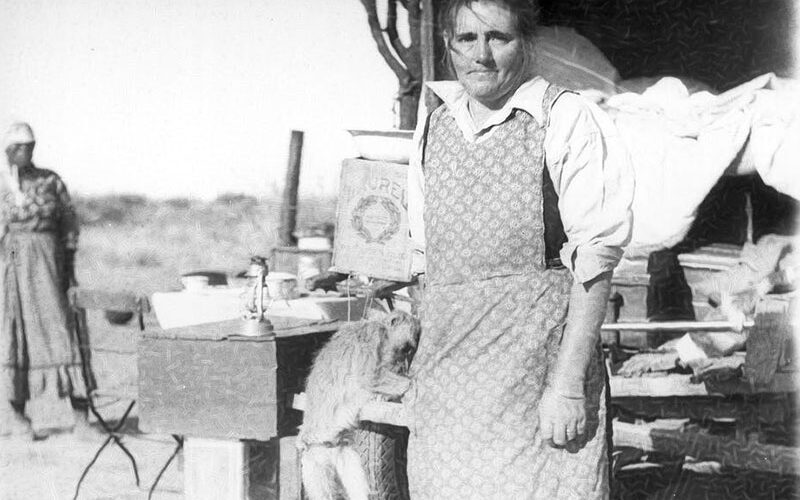
LORENA RIZZO, Senior lecturer, University of Basel WOMEN photographers, and black African women photographers in particular, are largely absent from early histories of the medium. Even in South Africa, which has attracted more attention than other parts of the continent, few women photographers from the early and mid-1900s appear in the historical record. There are even fewer whose work has been collected and received serious treatment, like Constance Stuart Larrabee and Anne Fisher. Women photographers in Namibia have languished in even greater obscurity, and scholarship that embraces this neglected history is only just emerging. My new book Photography and History…
Read More
Remembering Achmat Dangor, the South African novelist who redefined identity

Remembering Achmat Dangor, the South African novelist who redefined identity

RONIT FRENKEL, Professor of English, University of Johannesburg IN his 71 years, Achmat Dangor was many things to many people, both in South Africa and across the world. He was a lifelong activist and social justice advocate. He was once banned for his political activities in resistance to apartheid. He was a cultural leader at the centre of the Congress of South African Writers, a tireless development organiser and, for six years, the chief executive of the Nelson Mandela Foundation. For me, he was above all an extraordinary novelist and poet who expanded how I think. I was a graduate…
Read More
Book reveals new, surprising nuggets about Nelson Mandela’s last years in jail

Book reveals new, surprising nuggets about Nelson Mandela’s last years in jail

GAVIN EVANS TWENTY years ago the South African academic Jan-Ad Stemmet met the apartheid era justice minister Kobie Coetsee, who announced he had transcripts of 13,000 pages of recordings of Nelson Mandela’s time in prison. These transcripts of the anti-apartheid struggle icon contained, he said, “bombs, atom bombs” that would blow everything up. The pair began to discuss a book deal but only two days in the 69-year-old Coetsee died of a heart attack and the moment passed. Then, 14 years on, this trove of documents reemerged in an archive at the University of the Free State, where Stemmet taught…
Read More
Book Review | Femicide in South Africa

Book Review | Femicide in South Africa

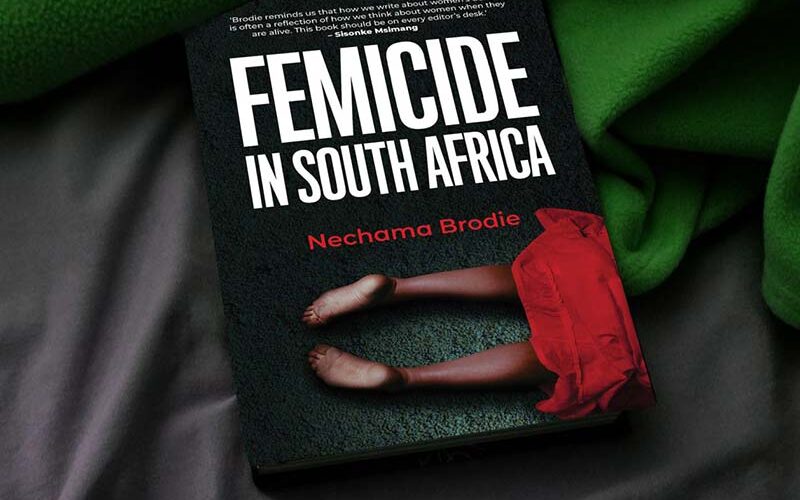
PUMLA DINEO GQOLA FEMICIDE is a South African preoccupation. News headlines have made names and faces familiar with such frequency that only the most delusional among us deny that women are being killed at an alarming rate. Nechama Brodie’s Femicide in South Africa enters this fray to raise the quality of public debate on femicide and illuminate why a proper diagnosis of the situation remains so elusive.  Many raise the country being broadly homicidal as one way of putting femicide into context. But generalities only deepen the crisis because femicide “carries such distinct features that, if we were to try and understand…
Read More
Dear Dambudzo Marechera… The letters Zimbabweans wrote to a literary star

Dear Dambudzo Marechera… The letters Zimbabweans wrote to a literary star

TINASHE MUSHAKAVANHU, Post-Doctoral Fellow, University of the Witwatersrand THE writer Dambudzo Marechera, who died on 18 August 1987, remains a popular figure in Zimbabwe. He is heralded by a young generation as a radical and counter-culture figure. Marechera became an instant star when his first book The House of Hunger was published to critical acclaim in 1978. The novella tells of growing up in colonial Rhodesia (now Zimbabwe) in raw and exquisite prose, a harrowing portrait of lives disrupted and young disillusionment. The rumour is that he wrote it in a tent or squat, but then perhaps he did not,…
Read More
“This is one of those books that makes you shed tears”

“This is one of those books that makes you shed tears”

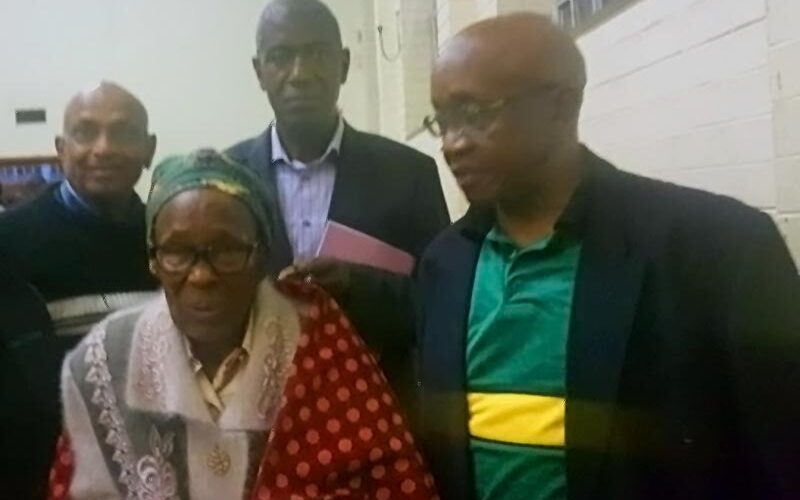
KHULU MBATHA WOMEN IN SOLITARY:  Inside the female resistance to apartheidBy Shanthini Naidoo I recently attended the launch of a publication on the life of anti-apartheid struggle veteran Rita Ndzanga at the Phiri Community Hall, in Soweto, Johannesburg. The launch was organised by the Lawrence Ndzanga ANC Branch of Senaoane and the Ahmed Kathrada Foundation, which produced the booklet. Rita Ndzanga, was one of the accused at the notorious 1969 ‘Trial of 22’. The names of the 22 trialists were: 1.     Lawrence Ndzanga; 2.     Rita Ndzanga; 3.     Winnie Madikizela Mandela; 4.     Shanthie…
Read More
Book Review | Tennis for the people

Book Review | Tennis for the people

KELLY FLETCHER THE first lawn tennis matches were played on hourglass-shaped courts. But not for long. Three years after Walter Wingfield was granted the patent for his “portable court” and began selling his lawn tennis sets, the first Wimbledon tournament took place in June 1877 on a rectangular court. The shape of the court and the scoring system from that inaugural Gentlemen’s Singles tournament is still used today. In other ways though, lawn tennis has changed immensely, as David Berry shows in A People’s History of Tennis. Tennis is still seen as a sport for the privileged by many today and…
Read More