Our website use cookies to improve and personalize your experience and to display advertisements (if any). Our website may also include cookies from third parties like Google Adsense, Google Analytics, and Youtube. By using the website, you consent to the use of cookies.

Kenya should decriminalise homosexuality: 4 compelling reasons why

Kenya should decriminalise homosexuality: 4 compelling reasons why

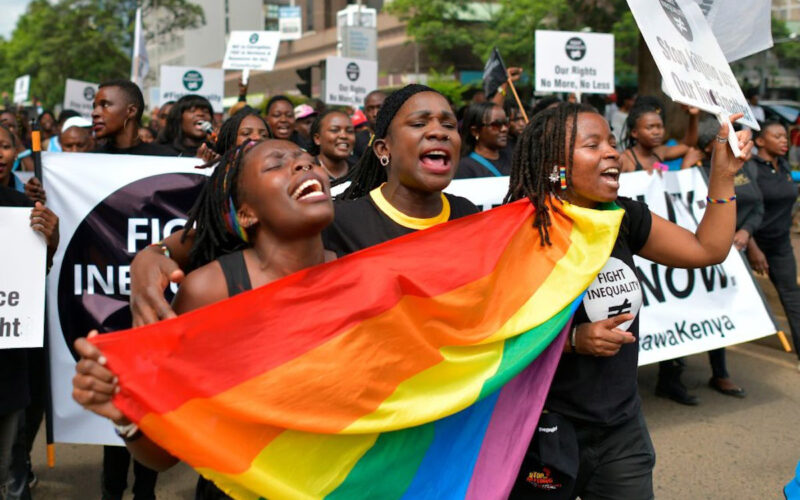
KENYA has recently seen the increasing visibility of sexual and gender minorities. However, this has been met with a growing backlash. Religious and political leaders have been spreading homophobic and transphobic rhetoric. This has happened with the tacit approval of a law enforcement apparatus that’s supposed to guarantee the right to equal protection. Authors EMMY KAGEHA IGONYA, Associate research scientist, African Population and Health Research Center LUCY WANJIKU MUNG’ALA, PhD Researcher, University of Amsterdam The continued criminalisation of same-sex sexual relations among consenting adults in Kenya worsens social disparities and inequalities. It fuels socioeconomic and health vulnerabilities. It deprives members…
Read More
South Africa’s power outages could reach critical levels this winter – likely scenarios

South Africa’s power outages could reach critical levels this winter – likely scenarios

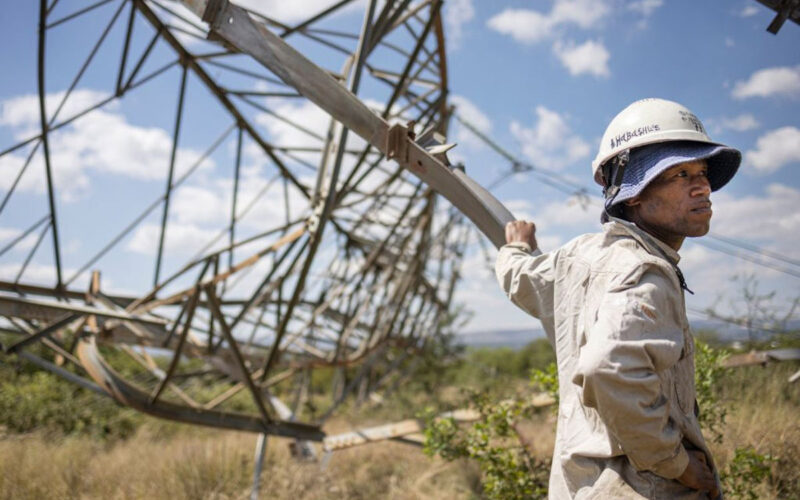
OVER the past 15 years South Africa has been experiencing a gradually worsening number of electricity cuts. This state of affairs has prompted frustration among citizens, negative international economic sentiment and financial hardship for many businesses. Public pressure has grown more intense, leading to the extraordinary presidential decision by President Cyril Ramaphosa to proclaim a state of disaster as well as to appoint a Minister of Electricity. Author HARTMUT WINKLER, Professor of Physics, University of Johannesburg The year 2022 was marked by the worst power outages in the country’s history. Electricity generation deficits reached up to 6 GW on occasion,…
Read More
Rusesabagina vs Rwanda: how Kagame wields soft power to get his way with the West

Rusesabagina vs Rwanda: how Kagame wields soft power to get his way with the West

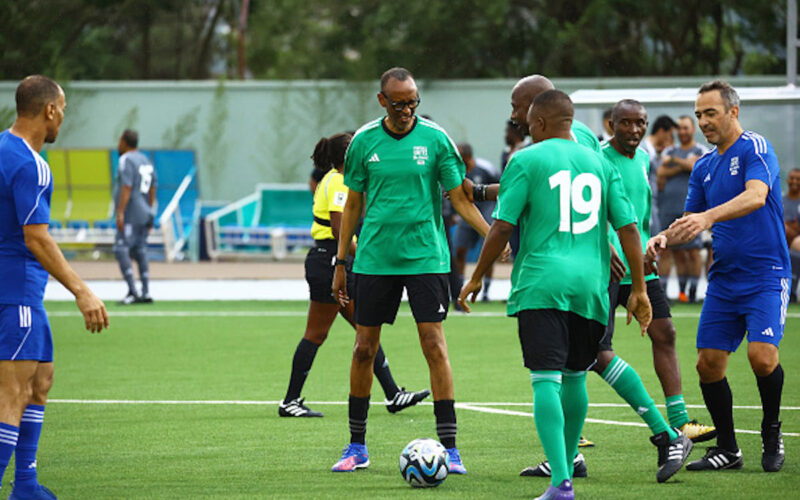
IN politics, soft power is a persuasive approach to international relations. A leader can use soft power by exerting economic, cultural or reputational influence. His hard power aside, soft power is something Rwanda’s President Paul Kagame possesses in spades. One of Africa’s long-serving leaders, Kagame wields soft power to deal with international criticism of his authoritarianism and human rights abuses. Author KEITH GOTTSCHALK, Political Scientist, University of the Western Cape As a political scientist, I have been tracking developments in Africa’s governance and democracy, integration and peace-keeping. In my view, the recent Paul Rusesabagina saga was the first misstep that…
Read More
The World Bank used to cause untold harm – but 30 years ago it started reforming. What went right

The World Bank used to cause untold harm – but 30 years ago it started reforming. What went right

DEVELOPMENT projects can have profound impacts on their societies. There are many benefits that flow from building new roads and power plants, and from modernising agricultural practices. But they can also have permanent negative consequences. For example, communities may be involuntarily relocated to make way for roads or power plants. These projects can change the way natural resources are used in a particular area, making it difficult or impossible for communities to continue their traditional agricultural practices. The job opportunities that they create can challenge traditional values and ways of living. Author DANNY BRADLOW, SARCHI Professor of International Development Law…
Read More
What does Trump’s indictment mean for his political future – and the strength of US democracy?

What does Trump’s indictment mean for his political future – and the strength of US democracy?

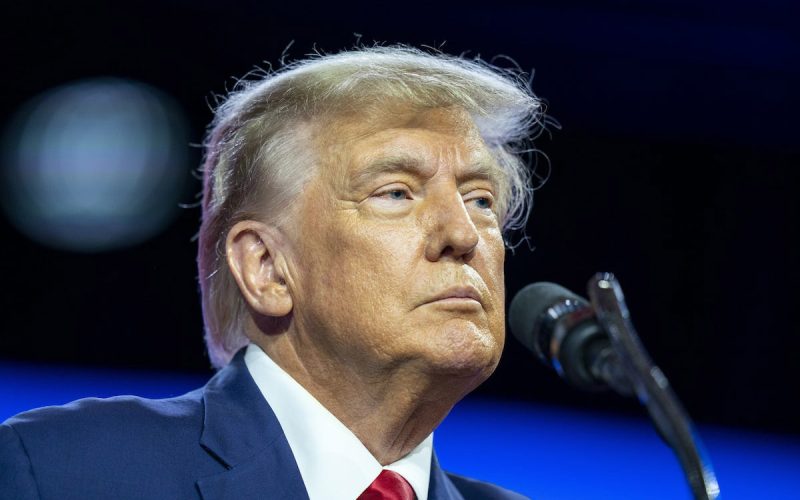
EVENTS often seem inevitable in hindsight. The indictment of former US President Donald Trump on criminal charges has been a possibility since the start of his presidency – arguably, since close to the beginning of his career in New York real estate. But until now, the potential consequences of such a cataclysmic development in American politics have been purely theoretical. EMMA SHORTIS, Lecturer, RMIT University Today, after much build-up in the media, The New York Times reported that a Manhattan grand jury has voted to indict Trump and the Manhattan district attorney will now likely attempt to negotiate Trump’s surrender.…
Read More
Does democracy fuel corruption? Most Ghanaians don’t think so

Does democracy fuel corruption? Most Ghanaians don’t think so

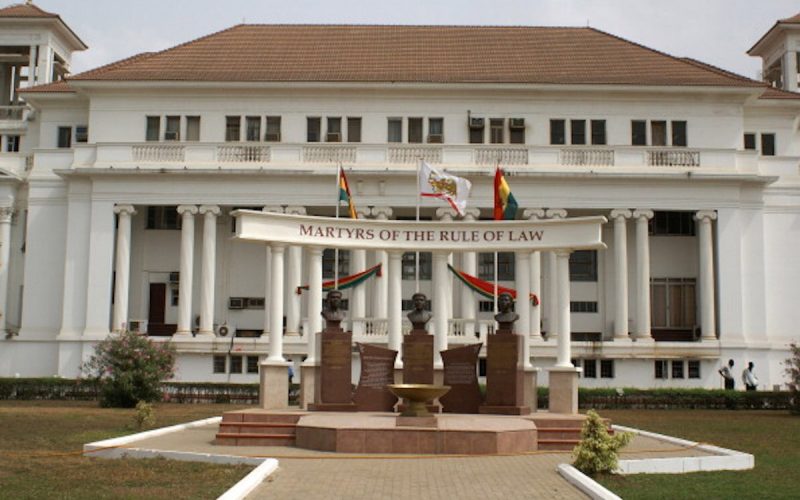
DOES democracy breed corruption – particularly in developing countries? There are strong advocates of the theory. And strong detractors. Some studies conclude that democracy aggravates corruption. For instance, the noted scholar of public policy Jong-Sung You’s work explores the relationships between democracy, inequality and corruption. He shows in a study of three East Asian countries that democracy can worsen corruption when a country has high levels of inequality. This, in turn, increases clientelism and patronage politics and state capture. Author JOSEPH YAW ASOMAH, Assistant Professor, University of Manitoba Other studies show that democracy can help combat corruption. One study by…
Read More
South Africa has been grey-listed for not stopping money laundering and terrorism funding. What it means

South Africa has been grey-listed for not stopping money laundering and terrorism funding. What it means

THE Financial Action Task Force has placed South Africa on a list of countries under increased monitoring, commonly known as the grey list, after it failed to address all of the shortcomings on money laundering and the financing of terrorism that the task force identified in its 2019 evaluation of the country. The decision has serious implications for the country, more specifically its financial services sector as well as its ability to attract investment. The Conversation Africa’s political editor Thabo Leshilo talks to Philippe Burger, an economics professor and the dean of the Faculty of Economic and Management Sciences at…
Read More
US-China tensions: how Africa can avoid being caught in a new Cold War

US-China tensions: how Africa can avoid being caught in a new Cold War

CHINA’S foreign ministry published a 4,000-word analysis entitled US Hegemony and its Perils on 20 February. It’s an indictment of alleged US foreign interference, intimidation and interventions that began 200 years ago. This was followed by President Xi Jinping’s accusation at the Communist Party National Congress in March that the US was pursuing an unprecedented global policy to contain and suppress Chinese development. Author JOHN J STREMLAU, Honorary Professor of International Relations, University of the Witwatersrand US official reaction to the Chinese accusations has been muted. But the recent US shooting down of an alleged Chinese spy balloon escalated tensions.…
Read More
Nigeria had 93 million registered voters, but only a quarter voted: 5 reasons why

Nigeria had 93 million registered voters, but only a quarter voted: 5 reasons why

NIGERIANS went to the polls in late February to vote for a new president, as well as representatives to two houses of the federal parliament. The turnout was abysmal. There were over 93 million registered voters. But only a little over 25 million people voted. The Conversation Africa asked political scientist Chikodiri Nwangwu to unpack what happened. Author CHIKODIRI NWANGWU, PH.D, Senior Lecturer, Department of Political Science, University of Nigeria Why was Nigeria’s voter turnout so low? Firstly, there was insufficient voter education. Many Nigerians don’t understand the benefits of political participation or don’t understand the electoral process. Little effort…
Read More
South Africa’s bailout of Eskom won’t end power cuts: splitting up the utility can, as other countries have shown

South Africa’s bailout of Eskom won’t end power cuts: splitting up the utility can, as other countries have shown

THE announcement by the South African finance minister, Enoch Godongwana, of debt relief for the country’s troubled power utility, Eskom, is a step forward. It will fix one problem: Eskom has too much debt. But the plan won’t end power cuts which have worsened in recent years. The international experience is that one way to end electricity shortages is to allow competitively-priced privately-funded generation at scale. This requires a reorganisation of South Africa’s electricity market along the lines announced by the Department of Public Enterprises nearly four years ago. The crux of the plan was to split Eskom into three…
Read More