Our website use cookies to improve and personalize your experience and to display advertisements (if any). Our website may also include cookies from third parties like Google Adsense, Google Analytics, and Youtube. By using the website, you consent to the use of cookies.

Why Nigeria’s electricity grid collapses and how to shore it up

Why Nigeria’s electricity grid collapses and how to shore it up

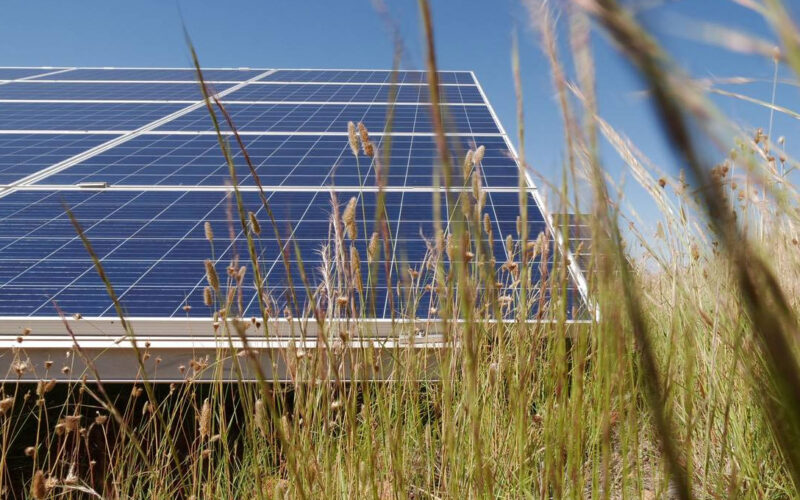
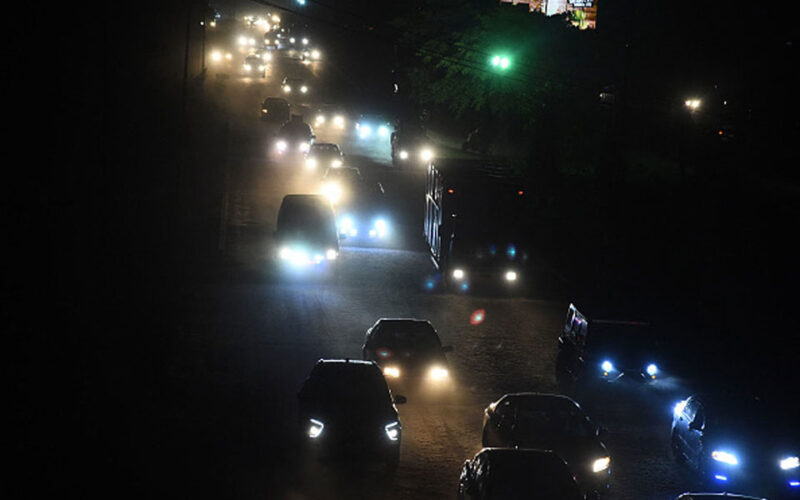
NIGERIA'S national electricity grid has collapsed more than 200 times in the last nine years, regularly resulting in widespread blackouts. The power outages, which prevent people from meeting routine business and household needs, result in huge economic and social costs. In sub-Saharan Africa, every 1% increase in power outages (in terms of hours) has been associated with a 2.86% decrease in gross domestic product (GDP). This translates to a loss of about US$28 billion in GDP. Authors NNAEMEKA VINCENT EMODI, Research Fellow, The University of Queensland OGHENERUONA E. DIEMUODEKE, Senior Lecturer, University of Port Harcourt There are also health risks…
Read More
Madagascans stave off encroaching dunes with plants

Madagascans stave off encroaching dunes with plants

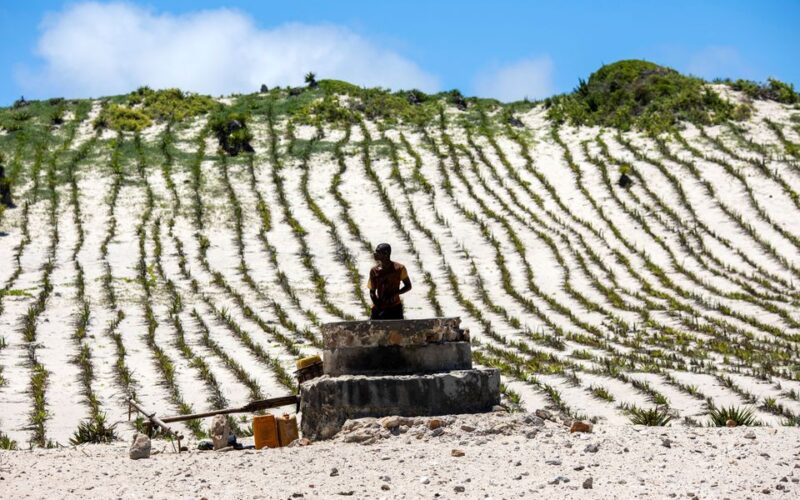
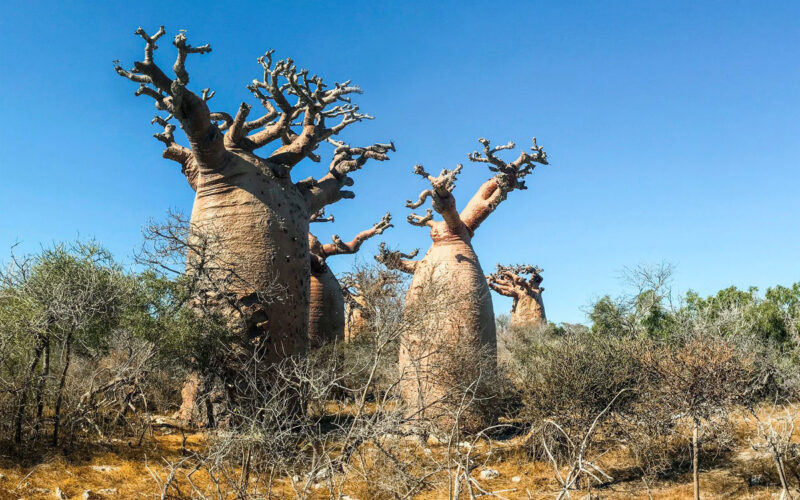
CHRISTOPHE VAN DER PERRE and ALKIS KONSTANTIDINIS FIELDS, homes, wells and tombs were gradually being buried under shifting sand dunes on this windswept stretch of Madagascar's southern coastline until the local community fought back, armed only with plants and elbow grease. After years of painstaking planting by hundreds of local volunteers, 36 hectares of dunes have been stabilised by long lines of plants that trap moisture in the ground and stop the relentless wind from blowing the sand further inland. The World Food Programme (WFP), a United Nations agency, provided most of the plants as part of a project to…
Read More
Groundwater: A resource to strengthen Africa’s drought defences

Groundwater: A resource to strengthen Africa’s drought defences

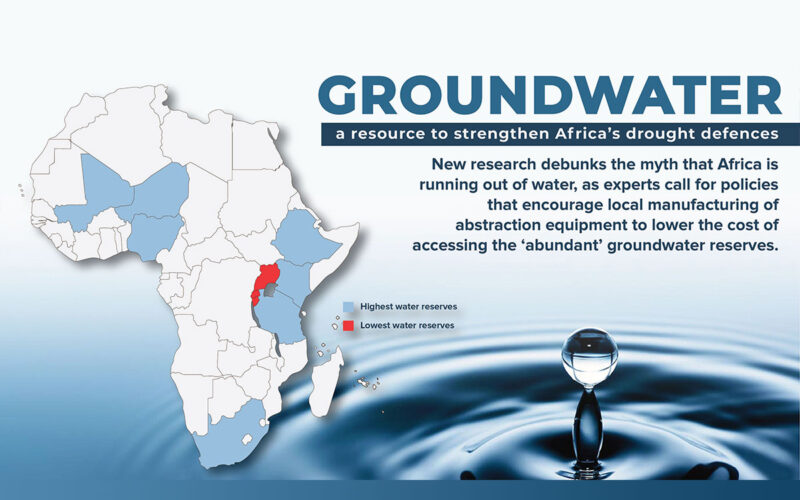
CONRAD ONYANGO, BIRD STORY AGENCY AFRICA has an ‘abundance’ of groundwater - enough to transform the region’s food baskets and adequately meet the safe drinking and hygiene needs of most households. According to a new analysis by the British Geological Survey (BGS) and WaterAid researchers, which also indicates the resource could be a buffer to climate change-induced droughts, most African countries could survive at least five years of drought on water reserves beneath rocks and soil and in aquifers. “Contrary to popular belief, our findings confirm that Africa isn’t running out of water. On a national level, most countries in…
Read More
Discovering the forest wonders of Africa – and the threats they face

Discovering the forest wonders of Africa – and the threats they face

AFRICA'S forests are some of the natural wonders of the world. As someone who has spent decades studying the ecology and management of tropical forests, I’m constantly amazed by the unique forest ecosystems on the continent. Author ROBERT NASI, Director General, Centre for International Forestry Research Some of them are most likely unknown to the public at large, yet so fascinating and important to face our world’s current biodiversity and climate challenges. Starting in the north-west and ending in the south-east, I’d like to share the ones that are special to me. This is a totally personal choice; others would…
Read More
A first for large African mammals: DNA used to count Gabon’s endangered forest elephants

A first for large African mammals: DNA used to count Gabon’s endangered forest elephants

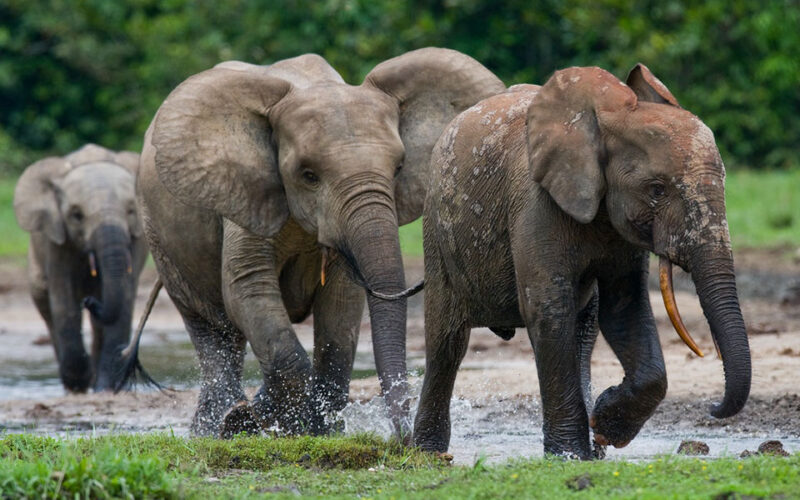
ACROSS the African continent the populations of both species of African elephants – forest and savanna – have been declining due to habitat loss, poaching and human-wildlife conflict. Author FIONA MAISELS, Wildlife Conservation Society, African Elephant Specialist Group (IUCN) and Honorary Professor, University of Stirling Forest elephants are listed by the International Union for Conservation of Nature as “Critically Endangered” – a category for species that have declined over 80% within three generations. And it has listed savanna elephants as “Endangered” – indicating a decline of over 50% within three generations. But there remains some areas where there is both…
Read More
The woman brokering peace between elephants and humans

The woman brokering peace between elephants and humans

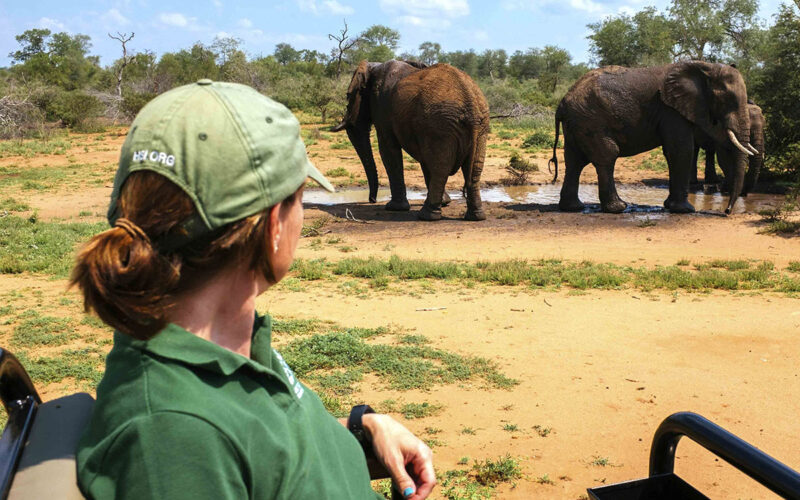
VITALIO ANGULA, BIRD STORY AGENCY DR Audrey Delsink has always been saddened by the plight of animals at the hands of humans. However, her interest in elephants started later on in her career.  Upon completion of her graduate studies, she worked as a field guide and game ranger at Manyeleti Game Reserve, south of the Kruger National Park in South Africa where she crossed paths with elephants who were not used to vehicles and people. “I was actually very scared of elephants but when I moved to another private game reserve, much smaller than Manyeleti, I encountered a completely different…
Read More
Rapidly increasing climate change poses a rising threat to mental health, says IPCC

Rapidly increasing climate change poses a rising threat to mental health, says IPCC

CLIMATE change poses serious risks to mental well-being. For the first time, a new climate report by the Intergovernmental Panel on Climate Change (IPCC) has assessed how climate change is having widespread and cumulative effects on mental health globally. Authors ASHLEE CUNSOLO, Founding Dean, School of Arctic & Subarctic Studies, Labrador Campus, Memorial University of Newfoundland BREANNE AYLWARD, PhD Student in Public Health, University of Alberta SHERILEE HARPER, Canada Research Chair in Climate Change and Health, University of Alberta Over the past decade, research and public interest on the effects of climate change on mental health have been increasing, as…
Read More
From food to floods, Africa ‘not ready’ for climate stress, its scientists say

From food to floods, Africa ‘not ready’ for climate stress, its scientists say

AFRICA'S population is set to nearly double by 2050 - but growth in food production is slowing faster than in any other region of the world as climate change-driven droughts, floods, heat and pests take a toll, African scientists said this week. As rains grow more erratic, the hydropower many African countries depend on to run their economies is becoming unreliable, while coastal communities face worsening erosion, heat, flooding and migration of fish stocks they depend on. But the money African nations need to tackle those threats is largely missing or coming only in the form of loans, while poor governance…
Read More
Rising sea levels may threaten 70% of Africa’s heritage sites by 2050

Rising sea levels may threaten 70% of Africa’s heritage sites by 2050

THE value of heritage has been underestimated in climate policy and sustainable development circles, but heritage is crucial to people’s identity, culture and wellbeing. It is also critical to the sustainability of communities, ecosystems and biodiversity. Authors JOANNE CLARKE, Senior lecturer, University of East Anglia LENA REIMANN, Postdoctoral Researcher of Water and Climate Risk, Institute for Environmental Studies (IVM), Vrije Universiteit Amsterdam MICHALIS VOUSDOUKAS, Coastal oceanographer , European Commission's Joint Research Centre NICHOLAS P. SIMPSON, Postdoctoral Research Fellow, African Climate and Development Initiative, University of Cape Town, University of Cape Town We already know that climate change is having an…
Read More
Red tape, conflict stop Uganda’s herders moving to cope with climate change

Red tape, conflict stop Uganda’s herders moving to cope with climate change

LIAM TAYLOR ELDER Loit Paul Lobunei gazed west across the parched plains of Karamoja in northeastern Uganda. "The water has gone to the lake," he said - and it was time for him to follow. When the dry season sets in, cattle-keepers like Lobunei prepare to drive their herds across the region towards dams or other distant water bodies, negotiating access with communities they find along the way. The time-honoured practice helps local people - known to outsiders as the Karamojong - survive in a harsh environment where rainfall patterns were already volatile from one year to the next before…
Read More