Our website use cookies to improve and personalize your experience and to display advertisements (if any). Our website may also include cookies from third parties like Google Adsense, Google Analytics, and Youtube. By using the website, you consent to the use of cookies.

‘Use technology, enabling infrastructure to harness resources and build the Southern African economy’

‘Use technology, enabling infrastructure to harness resources and build the Southern African economy’

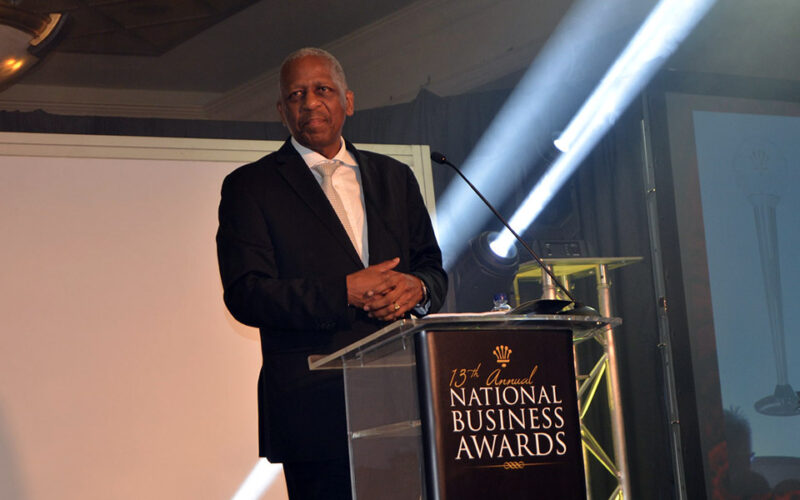
MATHEWS PHOSA OPPORTUNITIES for growth and development will always present themselves naturally, but economic dynamism is critical. As such, the key to real economic dynamism is about leveraging opportunities into real sustainable value. Value for our people, our neighbours, our region and our Continent. The real economic boons or revolutions have been based on converting opportunities into value. The Industrial Revolution was about effectively deploying vast amounts of capital for productive capacity to stimulate industry, goods and related services. Converting opportunity, which is access to capital, into real sustainable value, is the backbone of sustainable infrastructures such as rail, seaports…
Read More
Nigeria has few women in politics: here’s why, and what to do about it

Nigeria has few women in politics: here’s why, and what to do about it

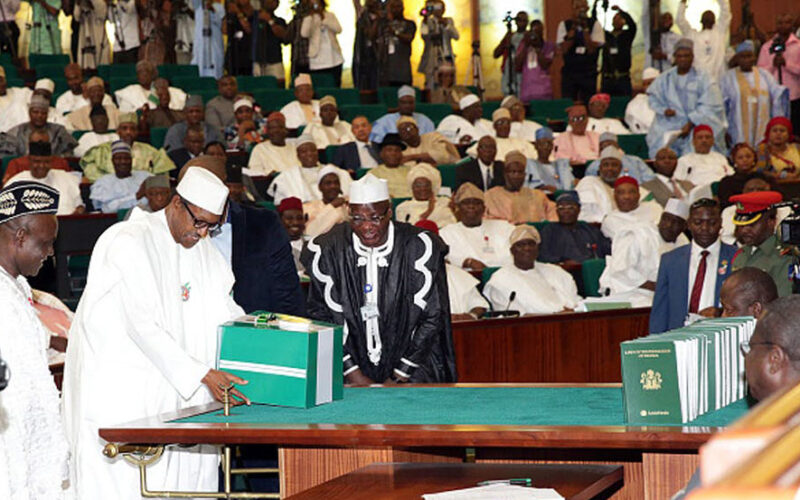
There are few women in political and leadership spaces in Nigeria. Currently only seven out of 109 senators and 22 of the 360 House of Representatives members are women. Ogechi Ekeanyanwu, from The Conversation Africa, asked Damilola Agbalojobi, political scientist and gender specialist, to explain the lack of representation, why it matters and how to remedy it. DAMILOLA AGBALAJOBI, Lecturer, Political Science, Obafemi Awolowo University Why are women so poorly represented in leadership positions? There are multiple factors. Some are related to the political party systems and structures. For instance, the high cost of politics prevents women from standing for…
Read More
Death of Boko Haram leader doesn’t end northeast Nigeria’s humanitarian crisis

Death of Boko Haram leader doesn’t end northeast Nigeria’s humanitarian crisis

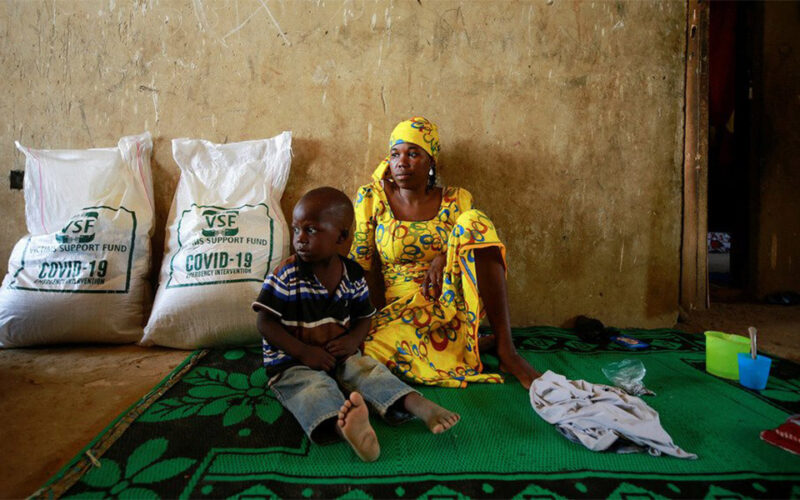
DULUE MBACHU ALTHOUGH a seismic event, the death of Boko Haram leader Abubakar Shekau last month after his base was overrun by a rival jihadist group is unlikely to end an 11-year insurgency in northeastern Nigeria that has upended millions of lives, analysts and aid workers say. Shekau, who led an uncompromising and brutal jihadist campaign, was cornered in his former Sambisa Forest stronghold in Borno State by rival fighters of the breakaway Islamic State of West Africa Province (ISWAP). Although his body is yet to be recovered, both ISWAP and Boko Haram fighters have confirmed that he died after detonating…
Read More
The Courage to Welcome: solidarity in a divided world

The Courage to Welcome: solidarity in a divided world

I come from a country which is familiar with churches, for bad and (mostly) for good, this is inscribed in our history, almost in our genes. All this to say, as different as Westminster Abbey might be from Italian churches, there is a comforting familiarity to being here. Perhaps the familiarity inspired by all houses of God. And in this familiarity lies a simple, yet powerful idea. That across geographies, across language and culture, across borders, we can find the familiar in the foreign. The courage to find the familiar in the foreign. That is the idea that I would…
Read More
Chad’s ‘covert coup’ and the implications for democratic governance in Africa

Chad’s ‘covert coup’ and the implications for democratic governance in Africa

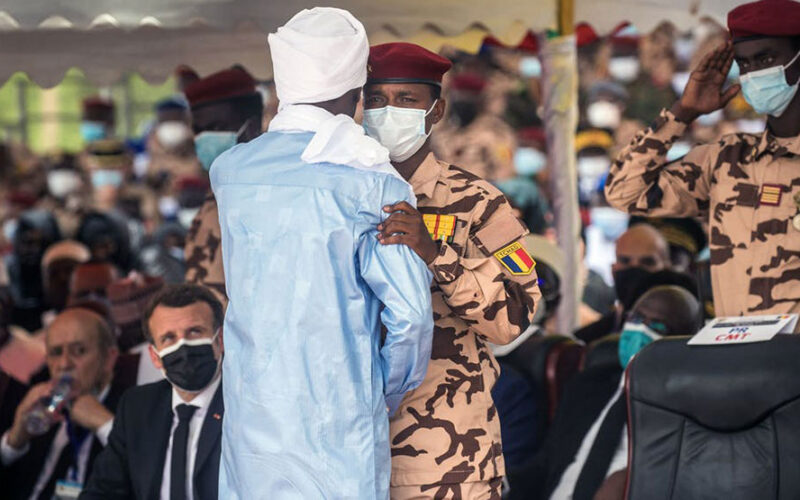
THE recent spate of military coups in Africa, which were intended to be transitional, might instead be a risk for democracy in the long term. There might be a short term need to maintain security. But the military may not necessarily be a credible partner to build democratic governance. Military intervention could mean that people might continue to be in a state of stagnant democracy. LAURA-STELLA ENONCHONG, Senior Lecturer in Law, De Montfort University Chad is the most recent example of this. Soon after the death of President Idriss Deby, the military swiftly took over power. They immediately installed his…
Read More
Farewell Jabu Mabuza, a great teacher, amazing and good quality human being

Farewell Jabu Mabuza, a great teacher, amazing and good quality human being

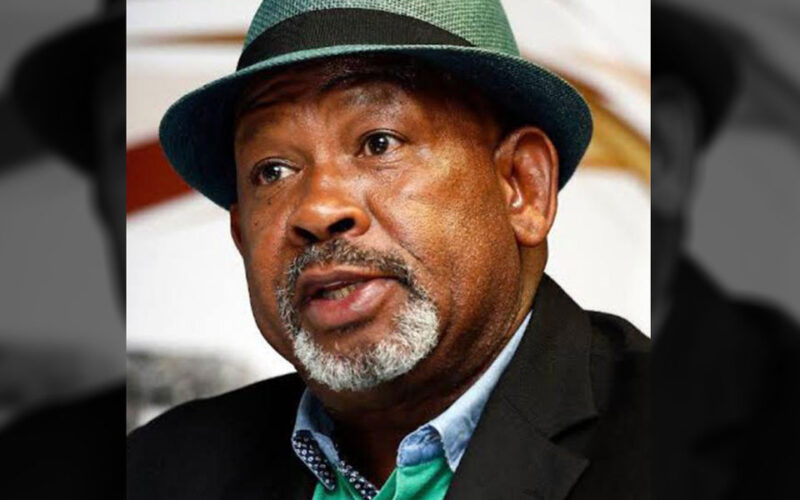
PROFESSOR BONANG MOHALE Dr. Jabulane Albert Mabuza is my boss!  We had persuaded him and he ultimately agreed to be the single face of big business as the president of both Business Unity SA (Busa) and the CEO Initiative as well as chair of Business Leadership SA (BLSA). He, in turn, later personally strongly persuaded me to come out of my early 're-tyrement' at  age 55, to come and help be BLSA CEO, an organisation that was founded in 1960, even before I  was born!  At its inception, BLSA  had two primary purposes, to defend apartheid and sanctions-bursting. The two…
Read More
Now there’s a chance of justice for Thomas Sankara, it’s useful to review what got him killed

Now there’s a chance of justice for Thomas Sankara, it’s useful to review what got him killed

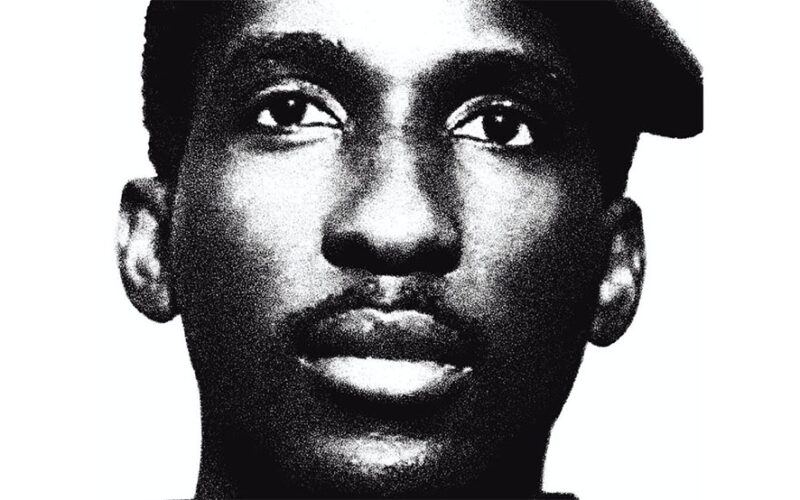
EARLIER this month a court in Burkina Faso’s capital indicted former President Blaise Compaoré for his role in the murder of his comrade, Thomas Sankara, on 15 October 1987. LEO ZEILIG, Senior Visiting Fellow, University of London The military court detailed Compaoré’s “complicity in the assassination”, the first time a court in the country has made such an accusation. Compaoré ruled the country until 2014, when he was forced to flee for neighbouring Cote D’Ivoire during a mass uprising. The decision to try the former leader has been called a landmark moment. Sankara’s family has pursued justice for almost 34…
Read More
Restricting digital media is a gamble for African leaders

Restricting digital media is a gamble for African leaders

MANY leaders seem threatened by the way digital media make it possible to share information and organise. Research shows that 2020 saw 156 full or partial shutdowns of the internet or social media like Facebook, Twitter and WhatsApp. South Asia accounts for almost three-quarters of these shutdowns, with India leading the way. JEFFREY CONROY-KRUTZ, Associate Professor of Political Science, Michigan State University Africa was the next most affected region, with 20 shutdowns affecting 12 countries. Disruptions lasted from as short as a day or less, in Burundi, Egypt, and Togo, to nearly 90 days in parts of Ethiopia’s Oromia Region.…
Read More
Stereotypes about young jobless South Africans are wrong: what they’re really up to

Stereotypes about young jobless South Africans are wrong: what they’re really up to

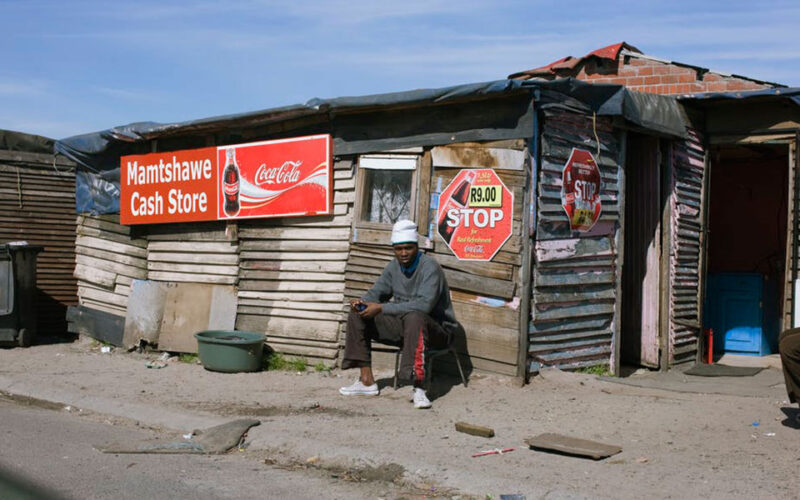
SOUTH Africa has one of the highest youth unemployment rates in the world. A whopping 63% of its young people between the ages of 15 and 24 years are jobless. A large proportion of these young people have never worked in the formal economy. HANNAH J. DAWSON, Senior Researcher, Southern Centre for Inequality Studies, University of the Witwatersrand The media frequently portray young people excluded from wage work as inactive, aimless and alienated from mainstream society. This image feeds into fears of crime, violence and social unrest in which people who are jobless are cast as a “ticking time bomb”…
Read More
Ghana’s national security ministry ignites old fears after fracas over photos

Ghana’s national security ministry ignites old fears after fracas over photos

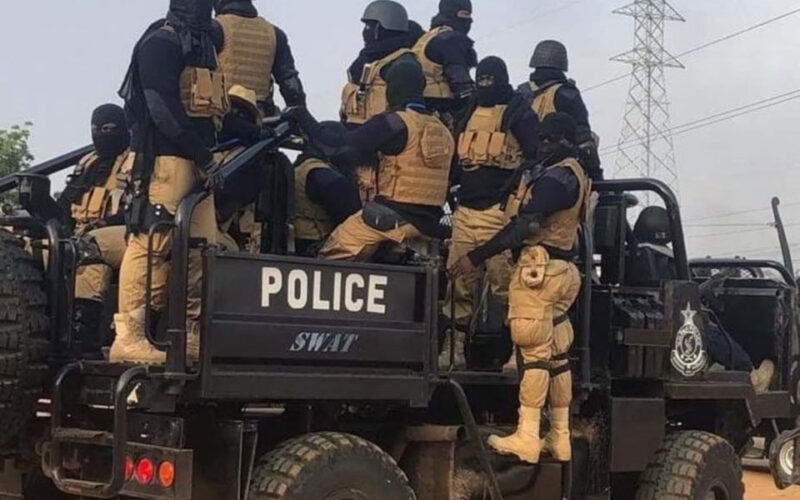
CALEB Kudah, a journalist with the Accra-based Citi TV, didn’t expect that an investigation into unused cars at the Ministry of National Security would kick a hornets’ nest in the country – the role of the country’s security apparatus. AVINASH PALIWAL, Senior Lecturer, International Relations, SOAS, University of London Kudah was investigating why cars purchased with public funds for distribution to transport unions had been abandoned at the premises of national security. Ghana’s security officials were unimpressed. They arrested Kudah, manhandled and cuffed him. They then took him to the premises of Citi TV offices intent on destroying evidence. They…
Read More