Our website use cookies to improve and personalize your experience and to display advertisements (if any). Our website may also include cookies from third parties like Google Adsense, Google Analytics, and Youtube. By using the website, you consent to the use of cookies.

The US “stands all alone” on Palestine

The US “stands all alone” on Palestine

IN strict geopolitics terms, this week will be marked by Washington’s expected – yet still a pill too hard to swallow – vetoing of a successful endorsement of the Palestinian statehood by the vast majority of the members of the UN Security Council (UNSC). It was the cruellest blow that caused men and women who seek justice and equality before international law to shed tears of sorrow. Palestinian ambassador to the UN, Riyad Mansour, could not hold back the tears as he responded to the US’s unkindest cut. “The fact that this resolution did not pass will not break our…
Read More
South Africans tasted the fruits of freedom and then corruption snatched them away – podcast

South Africans tasted the fruits of freedom and then corruption snatched them away – podcast

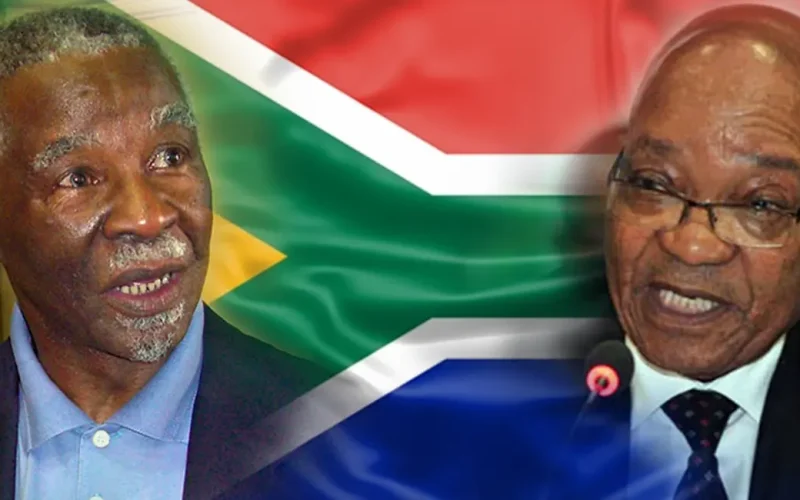
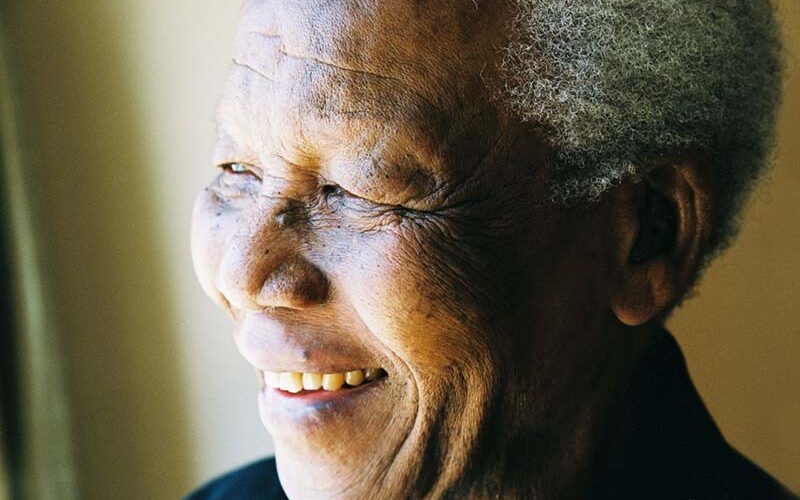
FIVE years after his momentous election as South African president, Nelson Mandela stepped down after one term in office in 1999. Thabo Mbeki, his deputy, took over the mantle of the post-apartheid transition. Mbeki would lead the country for the next nine years, a period of relatively high economic growth which enabled South Africans to begin to taste the fruits of freedom. To mark 30 years since South Africa’s post-apartheid transition began, The Conversation Weekly podcast is running a special three-part podcast series, What happened to Nelson Mandela’s South Africa? In this second episode of the series, we talk to…
Read More
Tanzanians go to the polls in 2025: President Samia has changed the landscape, but Magufuli’s legacy persists

Tanzanians go to the polls in 2025: President Samia has changed the landscape, but Magufuli’s legacy persists

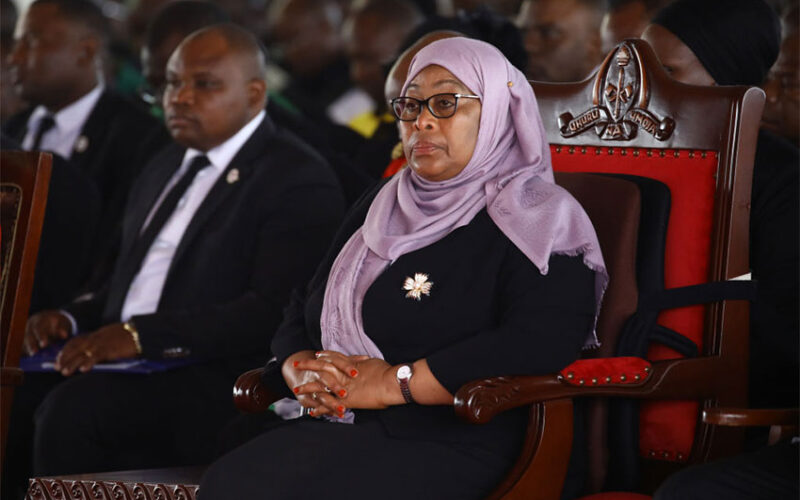
IT'S been three years since the death of Tanzania’s president John Magufuli and the rise to power of the current president Samia Suluhu Hassan. Magufuli was Tanzania’s fifth president. He came to power in 2015 and was re-elected in 2020 in a poll that was marred by controversy. Magufuli brought lasting changes to Tanzania’s political landscape during his six-year tenure. His approach sparked differing opinions, both within the country and on the international stage. Inside the country, he was loved and loathed almost in equal measure. To his detractors, his administration was marked by a decline in political and civic…
Read More
Sudan’s year-old war: The build-up and the turmoil

Sudan’s year-old war: The build-up and the turmoil

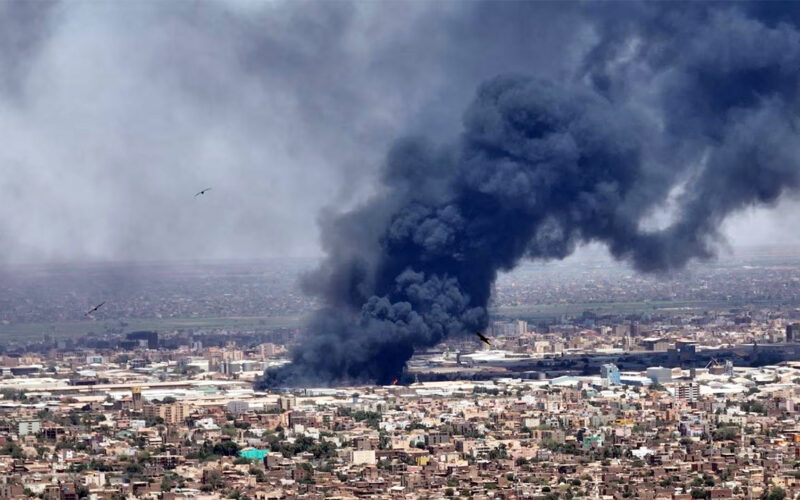
SUDAN is now a year into a war between rival military factions that has killed thousands, forced millions to flee and created a humanitarian catastrophe. Below is a timeline of the events that led up to the conflict and the turmoil that followed: THE BUILD-UP Dec. 19, 2018 - Hundreds protest in the northern city of Atbara against soaring bread prices. Demonstrations spurred by a broader economic crisis soon spread to Khartoum and other cities. Security services respond with tear gas and gunfire. April 6, 2019 - Hundreds of thousands begin a sit-in outside army headquarters in Khartoum. Five days later the…
Read More
To avert catastrophe in Sudan, the international community must immediately avail resources for life-saving humanitarian aid – Mbeki

To avert catastrophe in Sudan, the international community must immediately avail resources for life-saving humanitarian aid – Mbeki

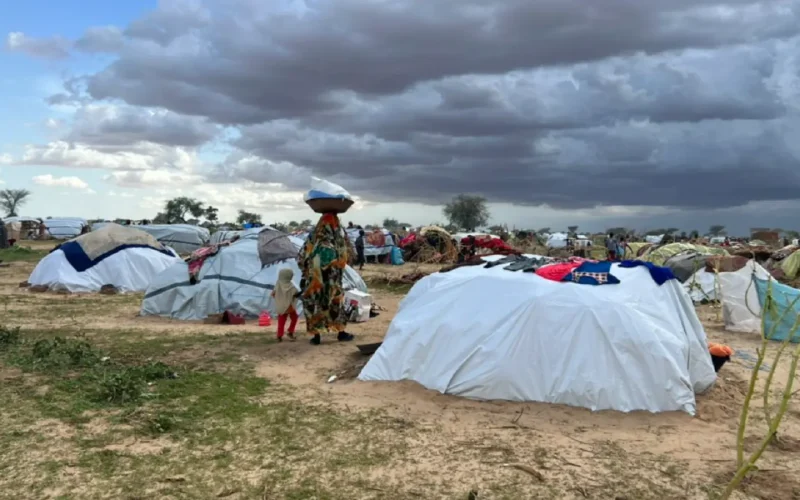
ON April 15, 2024, a critically important ‘International Humanitarian Conference for Sudan and its Neighbours’ started in Paris, convened by France, Germany and the European Union.It is of the greatest importance that this very timely conference must succeed in its efforts urgently to generate the humanitarian resources needed, particularly in Sudan.A year ago, armed conflict erupted in Khartoum between the Sudanese Armed Forces and the Rapid Support Forces.Since then, I have informally engaged Sudanese and other stakeholders, including humanitarian actors, on how best to address the crisis that now imperils the future of Sudan and threatens the stability of the…
Read More
After the euphoria of Nelson Mandela’s election, what happened next? Podcast

After the euphoria of Nelson Mandela’s election, what happened next? Podcast

IT was a moment many South Africans never believed they’d live to see. On 10 May 1994, Nelson Mandela was inaugurated as president of a democratic South Africa, ending the deadly and brutal white minority apartheid regime. To mark 30 years since South Africa’s post-apartheid transition began, The Conversation Weekly podcast is running a special three-part podcast series, What happened to Nelson Mandela’s South Africa? In the first episode, two scholars who experienced the transition at first hand reflect on the initial excitement around Mandela’s election, the priorities of his African National Congress (ANC) in the transition and the challenges…
Read More
Children born of rape: the devastating legacy of sexual violence in post-genocide Rwanda

Children born of rape: the devastating legacy of sexual violence in post-genocide Rwanda

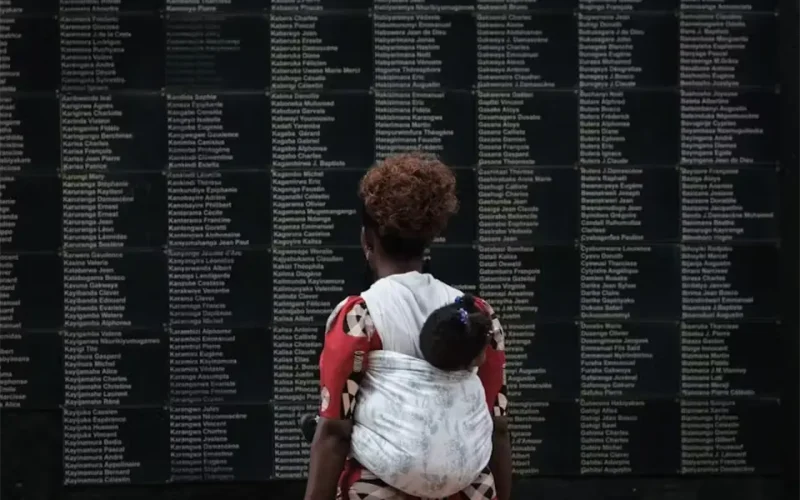
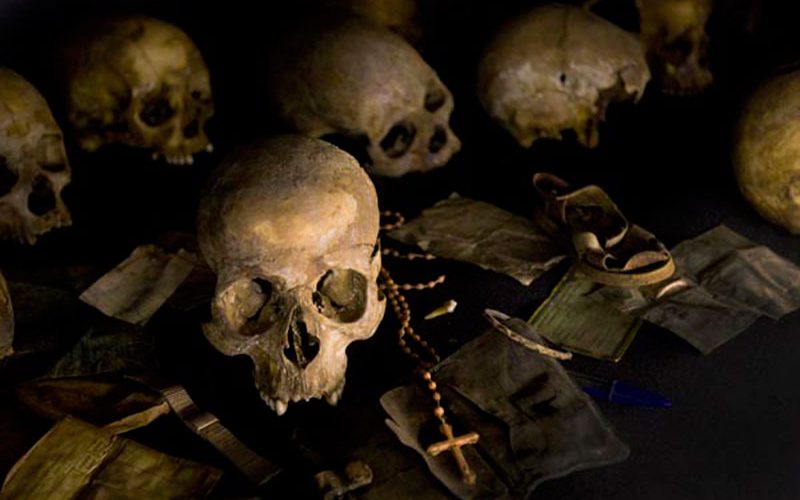
TRIGGER WARNING: This article contains accounts of sexual violence. The 1994 Rwandan genocide against the Tutsi led to the murder of more than 800,000 people, an estimated 70% of the country’s Tutsi population. The unprecedented violence and mass killings of Tutsi and non-extremist Hutu were carried out over 100 days between April and July 1994. An estimated 250,000–500,000 women and girls were raped during the genocide by the Hutu-led militia group Interahamwe, local police officers and individual men. Hutu women were also abused by soldiers from the Rwandan Patriotic Front. Up to 90% of Tutsi women who survived the genocide…
Read More
Special public lecture by the deputy president of the Republic of South Africa

Special public lecture by the deputy president of the Republic of South Africa

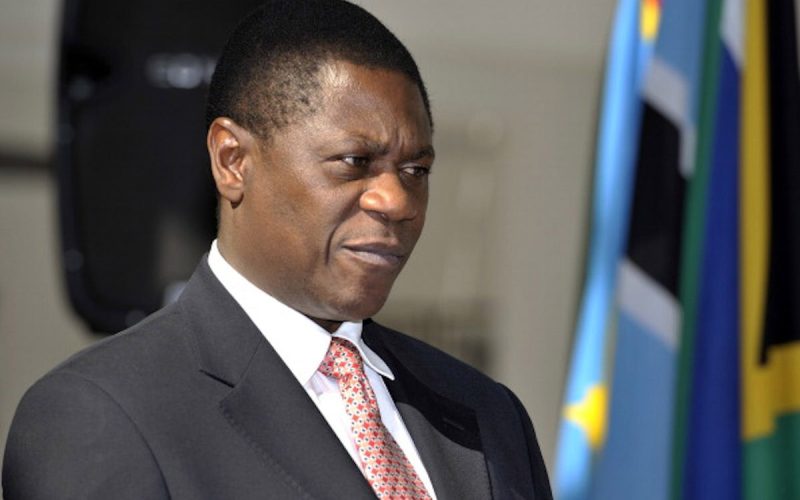
THE month of April also evokes memories of the iconic Solomon Kalushi Mahlangu, a young activist who was unjustly executed by the evil apartheid regime on April 6th, 1979. His death was and remains a symbol of the injustice and cruelty of the apartheid regime, which could arbitrarily execute innocent individuals.  We will never forget, nor will we undermine the potency of his last words when he said, ‘Tell my people that I love them and that they must continue to fight; my blood will nourish the tree that will bear the fruits of freedom’. These words have carried us…
Read More
As China-Africa think tanks agree on mutual growth, the future can only be bright for all

As China-Africa think tanks agree on mutual growth, the future can only be bright for all

ONE of the most visible sources of success in any diverse group is the ability – and willingness – to reach a consensus. In my book, consensus is the art of give-and-take. My favourite synonym for consensus is “compromise”. Individuals and organisations often thrive on their ability to bend backwards. To be rigid in any position negates the spirit or the will to find one another. Many individuals and institutions have collapsed due to their obstinacy, read “stupidity”. Human beings are created looking the same, but each one has their own mind and character. The pursuit of common goals through…
Read More
30 years after genocide: Rwanda’s older generations fear a return of ethnic tensions, but youth feel more united

30 years after genocide: Rwanda’s older generations fear a return of ethnic tensions, but youth feel more united

IT’S 30 years since a genocide ripped through Rwandan society, leaving up to a million Tutsi and non-extremist Hutu dead. Every year in early April, the country enters a 100-day period of commemoration during which Rwandans are asked to remember and reflect on historical divisions between the country’s main ethnic groups: Tutsi, Hutu and Twa. This is done under the banner of Ndi Umunyarwanda, loosely translated as “I am Rwandan”. This post-genocide unified ideology follows the governing Rwandan Patriotic Front’s interpretation of the country’s history. It views Tutsi, Hutu and Twa as a form of socio-economic division rather than being…
Read More