Our website use cookies to improve and personalize your experience and to display advertisements (if any). Our website may also include cookies from third parties like Google Adsense, Google Analytics, and Youtube. By using the website, you consent to the use of cookies.

Somali piracy, once an unsolvable security threat, has almost completely stopped. Here’s why

Somali piracy, once an unsolvable security threat, has almost completely stopped. Here’s why

IN 2011, pirates carried out 212 attacks in a vast area spanning Somali waters, the Indian Ocean, the Red Sea and the Gulf of Aden, actions that the World Bank said cost the world economy US$18 billion a year. Armed pirates hijacked ships as far away as 1,000 nautical miles from the Somali coast. They held the ships and crews for ransom. The World Bank estimates that Somali pirates received more than US$400 million in ransom payments between 2005 and 2012. PETER VIGGO JAKOBSEN, Associate Professor, Royal Danish Defence College The piracy problem appeared unsolvable. Anti-piracy naval missions undertaken by…
Read More
“Many of the metrics show that South Africa is in steep decline!”

“Many of the metrics show that South Africa is in steep decline!”

IN an article entitled ‘State of the Nation | SA coming apart at the seams? We need to tread carefully’, published earlier this year in March, the senior News24 journalist, Pieter du Toit wrote: “South Africa has always been a country beset by instability, injustice and inherent tension…If you look at our history of, say, the last 150 years, there really have been very few decades of relative calm and stability which saw the country strain forward in any meaningful way… “Our current malaise should therefore be considered against the backdrop of what this country is, and the citizens who…
Read More
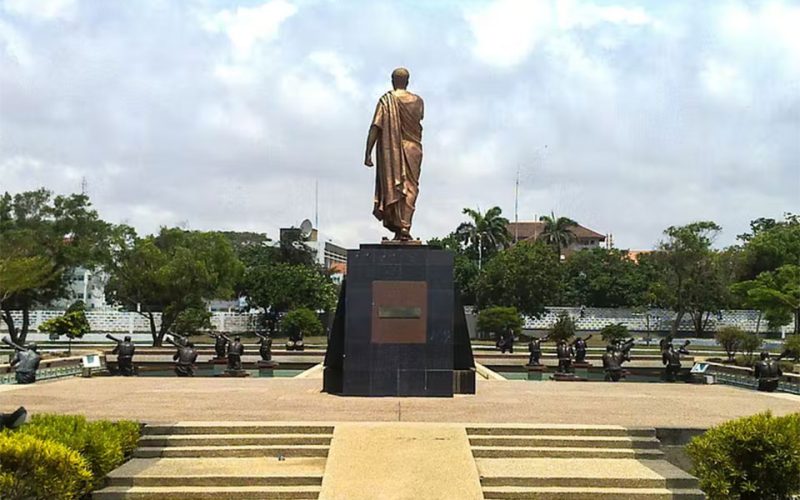
Kwame Nkrumah: memorials to the man who led Ghana to independence have been built, erased and revived again

Kwame Nkrumah: memorials to the man who led Ghana to independence have been built, erased and revived again

KWAME Nkrumah Memorial Park lies at the centre of Ghana’s capital, Accra. Recently renovated, it is dedicated to the memory of Kwame Nkrumah, the leader of Ghana’s independence struggle and its first president. Marking the spot of his final resting place at the park is a massive statue. CAROLA LENTZ, Professor of Anthropology, Johannes Gutenberg University of Mainz The statue has been continuously contested since its original commission in 1956 and its unveiling at the first anniversary of independence in 1958. As a social anthropologist who has researched and written about Kwame Nkrumah themed monuments, I have explored the contradiction…
Read More
Zulu land dispute: Ingonyama Trust furore highlights the problem of insecure land tenure for millions of South Africans in rural areas

Zulu land dispute: Ingonyama Trust furore highlights the problem of insecure land tenure for millions of South Africans in rural areas

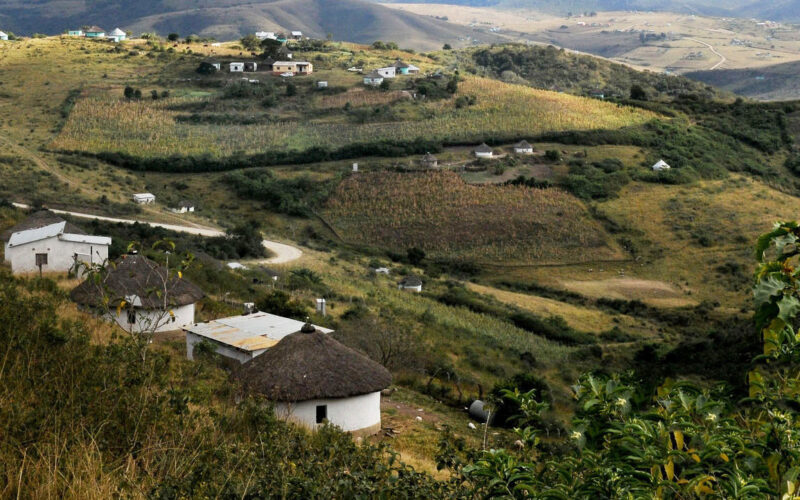
THE recent fallout between the Zulu king, Misuzulu, and his now late traditional prime minister, Mangosuthu Buthelezi, over the running of the Ingonyama Trust highlights a pervasive problem in South Africa: insecure land tenure in rural areas. The Ingonyama Trust administers about a third of the land in KwaZulu-Natal province. Buthelezi insinuated that the king – or those around him – wanted to corruptly sell the land for profit. He also questioned the competence of the board chairperson appointed by the king. The king denied the charge, saying the board would “never allow the sale of the land”. ANTHEA-LEE SEPTEMBER-VAN…
Read More
AU and G20: membership will give Africa more say on global issues – if it speaks with one voice

AU and G20: membership will give Africa more say on global issues – if it speaks with one voice

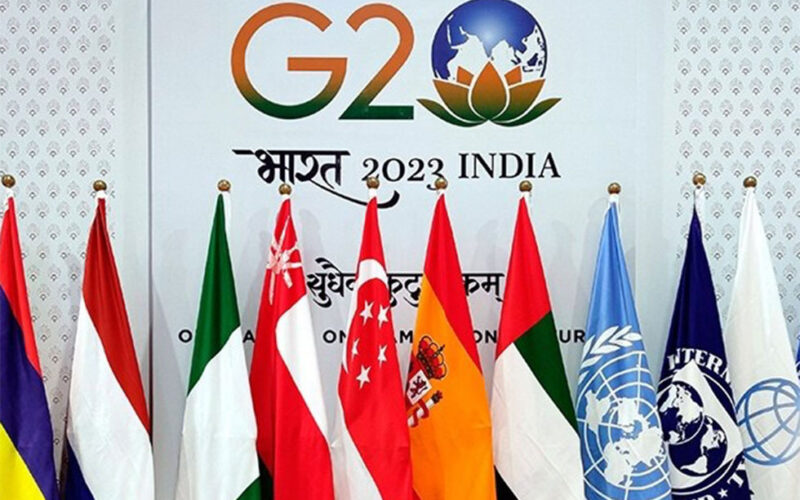
AFTER seven years of advocating for full membership, the African Union (AU) will join the Group of 20 “most important industrialised and developing economies”. It becomes the second regional bloc to join the group after the 27-member European Union (EU). The G20 was established after the 1999 Asian financial crisis as an informal grouping of ministers of finance and central bank governors. It grew out of the G7, which was formed in 1975 to deal with another complex global financial and economic crisis. ULF ENGEL, Professor, Institute of African Studies, University of Leipzig Since 2008, the G20 has met at…
Read More
Ethiopia wants to join the BRICS group of nations: an expert unpacks the pros and cons

Ethiopia wants to join the BRICS group of nations: an expert unpacks the pros and cons

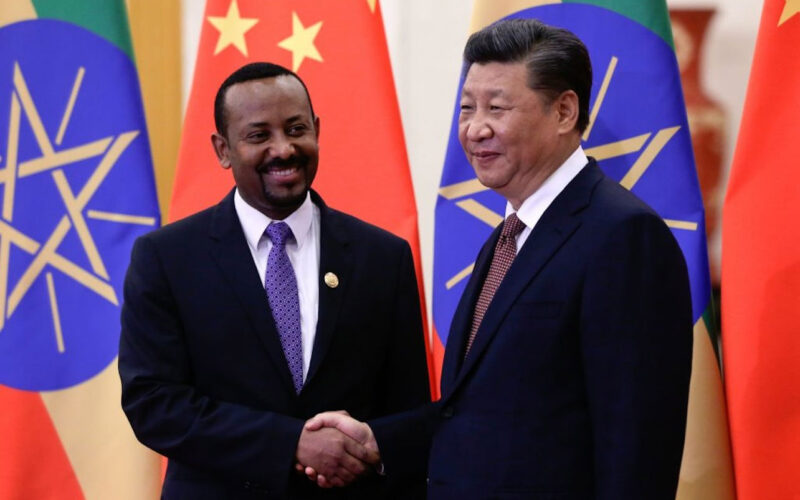
A few years ago, the BRICS grouping – Brazil, Russia, China, India and South Africa – had lost salience because three of its members were in severe economic difficulty. Brazil, Russia and South Africa are primarily natural resource exporters and were badly affected by the global commodity price bust of 2014. Russia’s invasion of Ukraine has now given BRICS a new geopolitical salience as the members and their respective allies respond to events. PADRAIG CARMODY, Professor in Geography, Trinity College Dublin In the emerging world order, there is also now increased demand to join BRICS, in part as a countervailing…
Read More
Ghana’s new chief justice: Gertrude Tokornoo faces challenges, but could help transform the country’s courts

Ghana’s new chief justice: Gertrude Tokornoo faces challenges, but could help transform the country’s courts

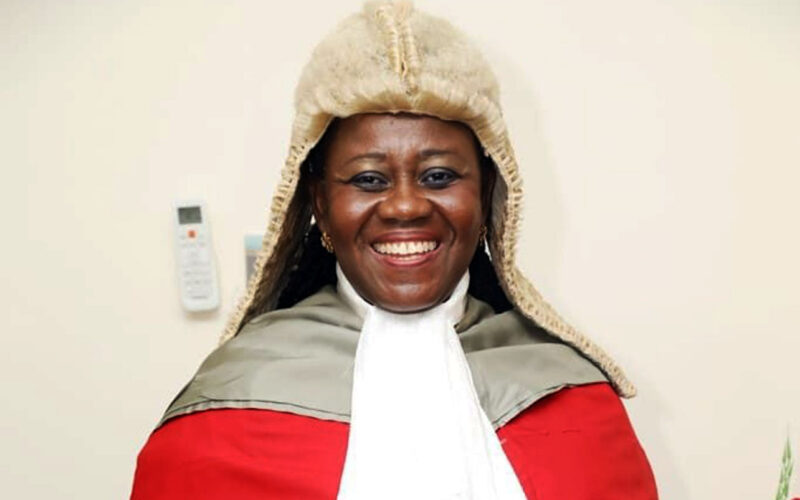
HER Ladyship Gertrude Araba Esaaba Sackey Torkornoo took office as the 15th, chief justice of Ghana on 12 June 2023. She is the third woman to occupy the position, which is the fourth highest in the country after the president, vice-president and speaker of parliament. Ghana’s judiciary is made up of the supreme court, the court of appeal, the high court and the magistrate (district) court. The chief justice is at the top of the judicial hierarchy and serves as administrator and supervisor. KWADWO APPIAGYEI-ATUA, Associate Professor of Law, University of Ghana The supreme court has the power, as the…
Read More
Four priorities for Nigeria’s newly elected national assembly

Four priorities for Nigeria’s newly elected national assembly

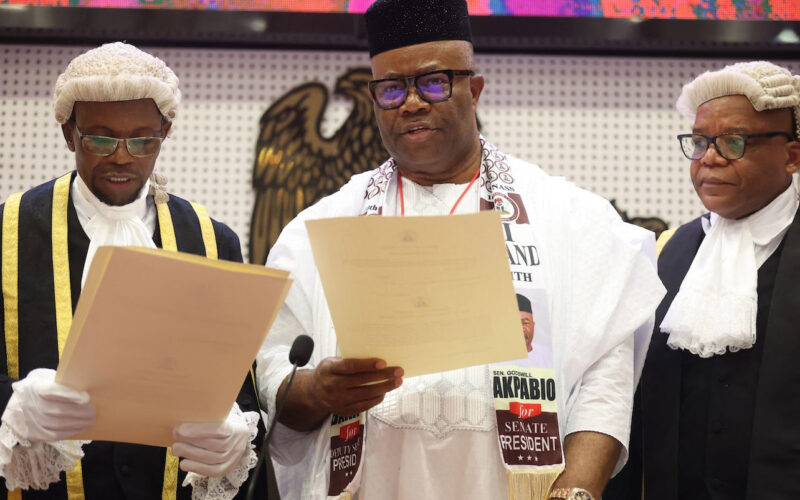
NIGERIA’S National Assembly – the 10th since independence – was inaugurated on 13 June 2023. It has two arms: the Senate and the House of Representatives. The 109 senators and 360 representatives were elected on 25 February 2023. Godswill Akpabio was elected Senate president and Tajudeen Abass House of Representatives speaker. Its primary responsibility is lawmaking for the effective administration of the state. In Nigeria, the power of the National Assembly’s two houses to legislate is enshrined in section 4 of the 1999 constitution. The constitution also enables the National Assembly to scrutinise and monitor executive activities. Sections 88 and…
Read More
Kenya at 60: six key moments that shaped post-colonial politics

Kenya at 60: six key moments that shaped post-colonial politics

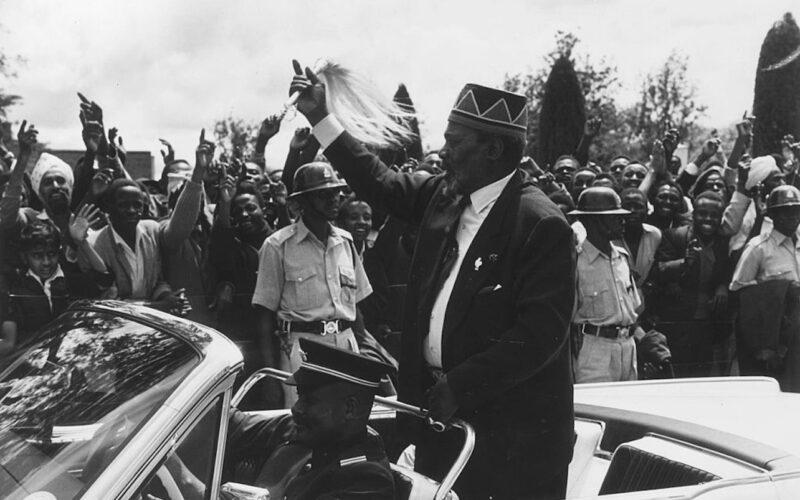
KENYA celebrates 60 years of independence this year. As a political scientist who has studied Kenya for the past 20 years, I consider a turning point from each decade that helped to shape the East African country’s post-colonial politics. I haven’t selected elections, assassinations or other moments that have enjoyed much coverage over the years. Instead, I turn to often-forgotten moments that shed light on the country’s key steps forward – and backward – and the role of agency and institutions. GABRIELLE LYNCH, Professor of Comparative Politics, University of Warwick 1964: The Lanet mutiny In the 1960s and 1970s, governments…
Read More
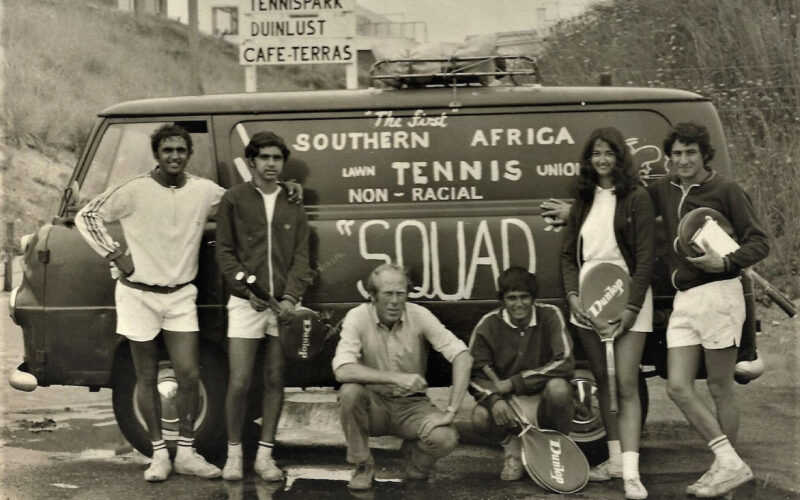
Tennis and apartheid: how a South African teenager was denied his dream of playing at Wimbledon

Tennis and apartheid: how a South African teenager was denied his dream of playing at Wimbledon

TODAY the All England Lawn Tennis Club, hosts of the famous Wimbledon Championships, pledges to be diverse and inclusive. But in 1971 an 18-year-old university student, Hoosen Bobat from Durban, was excluded from achieving his dream of becoming the first black South African to play in the Wimbledon men’s junior tournament. This was due to apartheid, and the collusion of the all-white tennis union in South Africa and the International Lawn Tennis Federation, with Wimbledon toeing the line. SALEEM BADAT, Research Professor, UFS History Department, University of the Free State I tell Bobat’s story in the new book Tennis, Apartheid…
Read More