Our website use cookies to improve and personalize your experience and to display advertisements (if any). Our website may also include cookies from third parties like Google Adsense, Google Analytics, and Youtube. By using the website, you consent to the use of cookies.

Spillover from Tigray conflict adds to pressure on Sudan

Spillover from Tigray conflict adds to pressure on Sudan

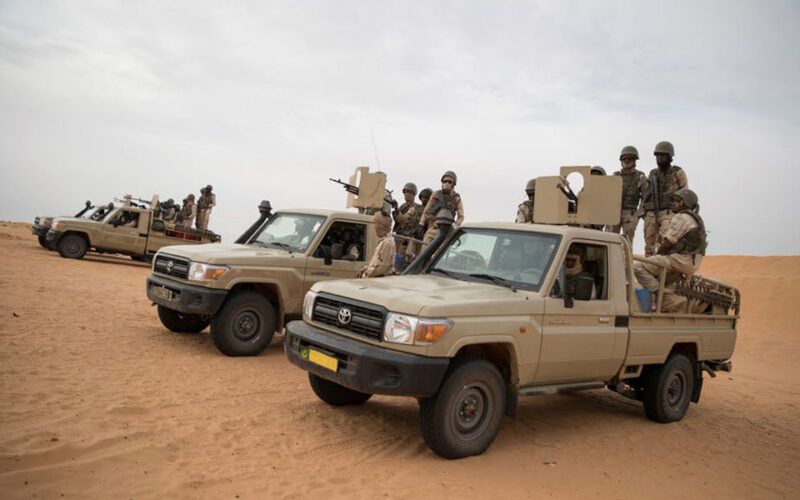
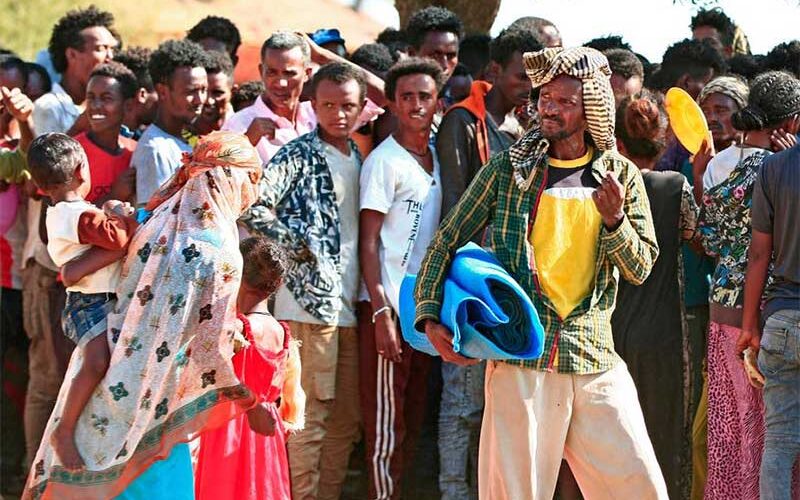
KHALID ABDELAZIZ, ALI MIRGHANI and NAFISA ELTAHIR CLASHES along Sudan's eastern border and the influx of tens of thousands of refugees from neighbouring Ethiopia have added to the challenges faced by a country already navigating a fraught political transition and protracted economic crisis. Internal conflict in Ethiopia has driven more than 50,000 refugees into Sudan in just over a month, triggering a complex aid operation in an impoverished region of Sudan. And fears of unrest in Ethiopia's northern Tigray region spilling into Sudan were fuelled when several Sudanese soldiers were killed on Tuesday, in what Khartoum called an "ambush" by…
Read More
Ten years on, anger grows in Tunisian town where ‘Arab Spring’ began

Ten years on, anger grows in Tunisian town where ‘Arab Spring’ began

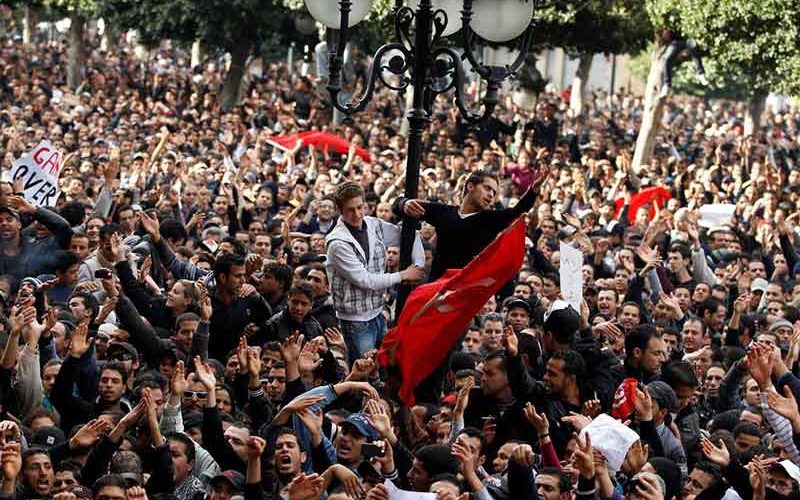
ANGUS MCDOWALL AND TAREK AMARA TEN years ago, a fruit seller set himself ablaze in the central Tunisian town of Sidi Bouzid after an altercation with a policewoman about where he had put his cart. Word of Mohammed Bouazizi's fatal act of defiance quickly spread, sparking nationwide protests that eventually toppled Tunisia's long-serving leader and helped inspire similar uprisings across the region - the so-called "Arab Spring". Huge demonstrations broke out in Egypt and Bahrain, governments fell and civil war engulfed Libya, Syria and Yemen. Tunisians are now free to choose their leaders and can publicly criticise the state. Yet…
Read More
How Magufuli has steered Tanzania down the road of an authoritarian one-party state

How Magufuli has steered Tanzania down the road of an authoritarian one-party state

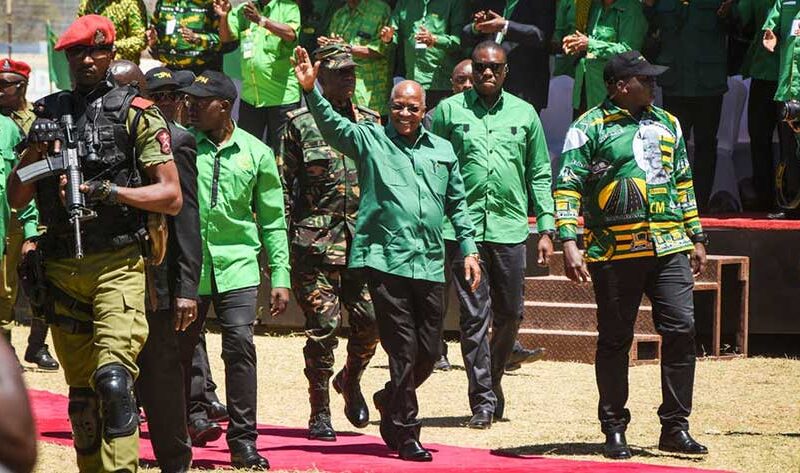
TANZANIA'S 2020 general elections resulted in a predictably easy victory for one of Africa’s oldest ruling parties, Chama Cha Mapinduzi. NICODEMUS MINDE, PhD Fellow, United States International University The National Electoral Commission declared the incumbent, John Magufuli, the winner with 84.4% of the vote. His closest challenger, Chadema’s Tundu Lissu, garnered a paltry 13%. The ruling party also won 261 of the 264 parliamentary seats. This represents 98.86% of the total. Similar results were reported in Zanzibar, a semi-autonomous island region of Tanzania. There the presidential candidate Hussein Mwinyi was declared the winner with 76.6% of the votes. The ruling…
Read More
Kenya’s next election is in view: the struggle between elites and rule of law is intensifying

Kenya’s next election is in view: the struggle between elites and rule of law is intensifying

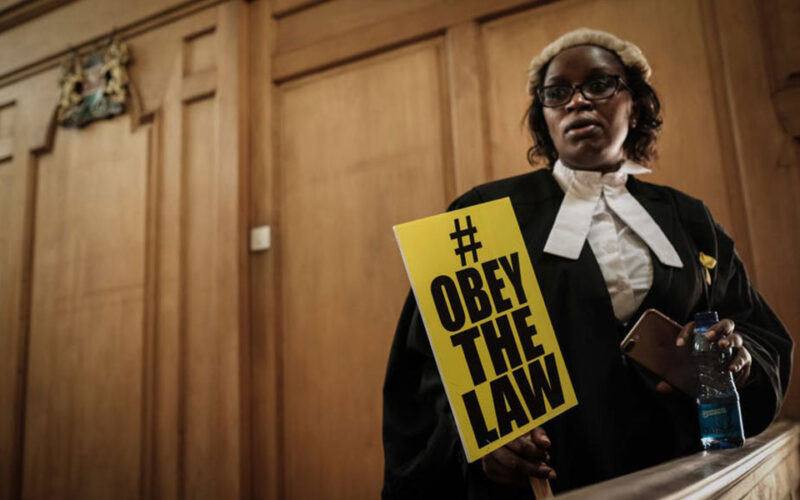
A failed attempt to overhaul Kenya’s progressive constitution less than a year before elections illustrates continuing struggles between the rule of law and the crude tribal instincts of Kenya’s political elite. DR WESTEN K SHILAHO, SARChI, African Diplomacy and Foreign Policy, University of Johannesburg The bid to amend 74 clauses of the 2010 constitution was backed by President Uhuru Kenyatta and his allies. It was invalidated by Kenya’s High Court in May 2021. The decision was later affirmed by a majority of the court of appeal, declaring the Constitutional Amendment Bill 2020 unconstitutional. The courts ruled that Kenyatta could not…
Read More
Namibia’s democracy enters new era as ruling Swapo continues to lose its lustre

Namibia’s democracy enters new era as ruling Swapo continues to lose its lustre

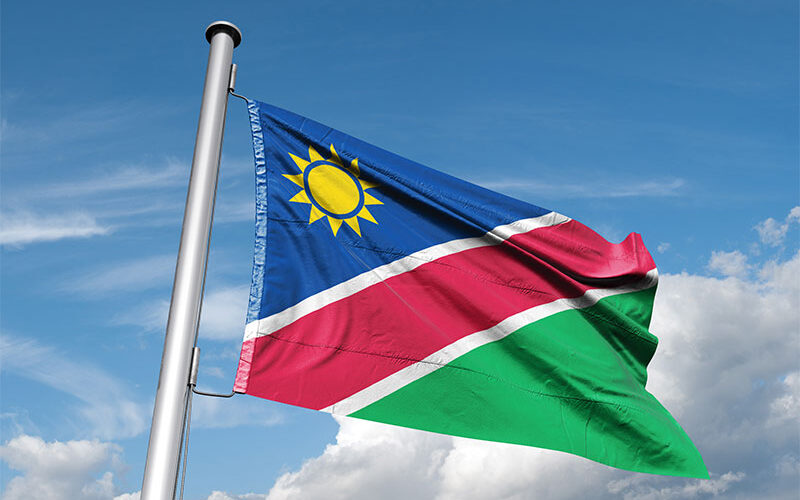
THE results of the latest regional and local government elections in Namibia show just how much the political landscape has changed in the country since independence from South Africa in 1990. HENNING MELBER, Extraordinary Professor, Department of Political Sciences, University of Pretoria The South West Africa People’s Organisation (Swapo) – the former liberation movement that has governed the country since independence – used to win by huge margins. But, increasingly, Namibians are losing trust in its ability to run the country. They are making different political choices. For the first time, Swapo suffered numerous defeats at regional and local levels…
Read More
China ready to cooperate with Africa to make the pie of economic and trade cooperation bigger

China ready to cooperate with Africa to make the pie of economic and trade cooperation bigger

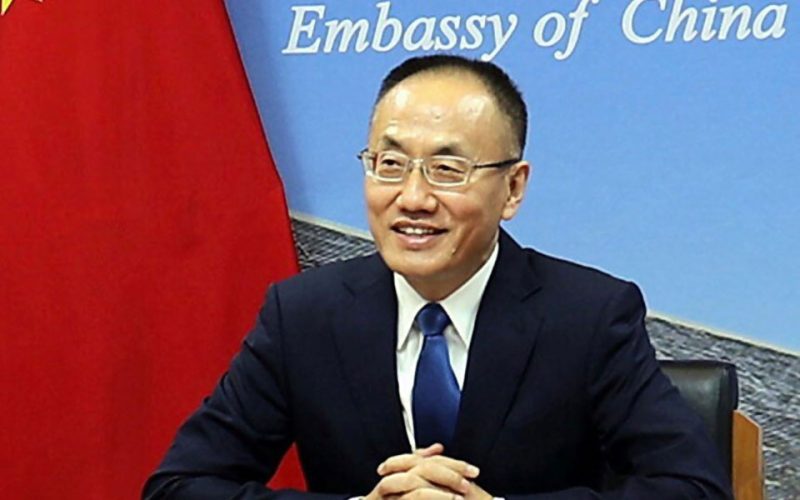
CHEN XIAODONG THIS year, the CPC celebrated its centenary and delivered a great performance for the people. General Secretary Xi Jinping declared at the grand gathering celebrating the 100th anniversary of the founding of the CPC that China has fulfilled the first centenary goal. We have built a moderately prosperous society in all respects and brought about a historic resolution to the problem of absolute poverty. We are moving forward with vigour toward the second centenary goal of building China into a great modern socialist country in all respects. Common prosperity is an important feature of China's modernization. The CPC…
Read More
Whistleblowers are key to fighting corruption in South Africa. It shouldn’t be at their peril

Whistleblowers are key to fighting corruption in South Africa. It shouldn’t be at their peril

NUMEROUS corruption scandals have been reported in South Africa in recent times. The extent of corruption in the country has been laid bare at the judicial commission probing allegations of state capture over the past three years. Corruption can impede a country’s economic growth, and undermine democratic principles, stability and trust. MONRAY MARSELLUS BOTHA, Head of Department & Associate Professor, University of Pretoria Whistle-blowing is one of the mechanisms used to deter corruption. It plays a role in encouraging accountability, transparency and high standards of governance in both the private sector and public institutions. Whistleblowers help combat criminal conduct and…
Read More
Mapping the contours of Jihadist groups in the Sahel

Mapping the contours of Jihadist groups in the Sahel

THE Sahel region, an area covering 3 million sq km, has been a hotbed of Islamic Jihadi groups in recent years. FOLAHANMI AINA, Doctoral Candidate in Leadership Studies, King's College London Today, the region has no fewer than seven insurgent groups scattered in six countries. The area stretches from the Atlantic Ocean to the Red Sea and Indian Ocean and encompasses a dozen countries. These include Burkina Faso, Cameroon, Chad, The Gambia, Guinea, Mauritania, Mali, Niger, Nigeria and Senegal. Jihadi groups have taken advantage of a number of underlying conditions, which fuel local grievances across the Sahel. These include endemic…
Read More
Did Ethiopia’s attack on Tigray violate international laws?

Did Ethiopia’s attack on Tigray violate international laws?

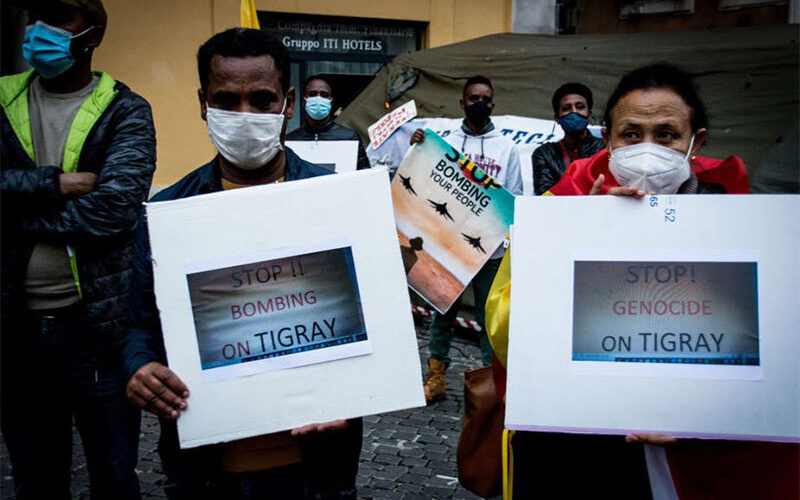
IN Ethiopia, the national army claims to have taken “complete control” of Mekelle, the capital of the dissident region of Tigray. But since the fighting started in November, there have been concerns for civilians in the region who may have been injured or displaced due to the conflict. EUGÈNE BAKAMA BOPE, Professor, Université de Lubumbashi What is known is that providers of humanitarian aid haven’t been able to reach civilians. There are also reports that hundreds of civilians have been killed. However, because parts of the region have been cut off from mobile phone and internet network, it’s hard to…
Read More
Nigerians got their abusive SARS police force abolished – but elation soon turned to frustration

Nigerians got their abusive SARS police force abolished – but elation soon turned to frustration

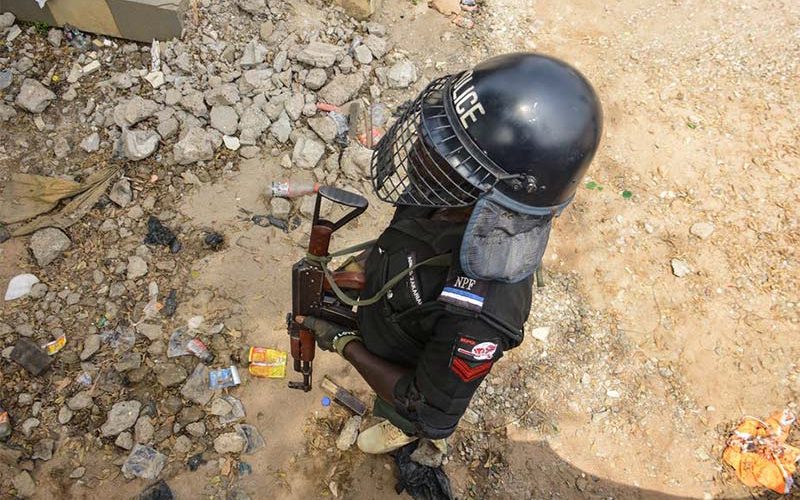
FOR a brief moment in October, it seemed that youthful protesters calling to “abolish” a police force had succeeded. After weeks of mass demonstrations against police brutality, the government agreed to disband a widely hated police unit. SAMUEL FURY CHILDS DALY, Assistant Professor of African and African American Studies, Duke University This was in Nigeria, not the United States. But the lessons from Nigeria have broad relevance for protesters elsewhere calling for major reforms to policing. In Nigeria, it took just three weeks of mass demonstrations for President Muhammadu Buhari to announce he would eliminate the Special Anti-Robbery Squad, or…
Read More