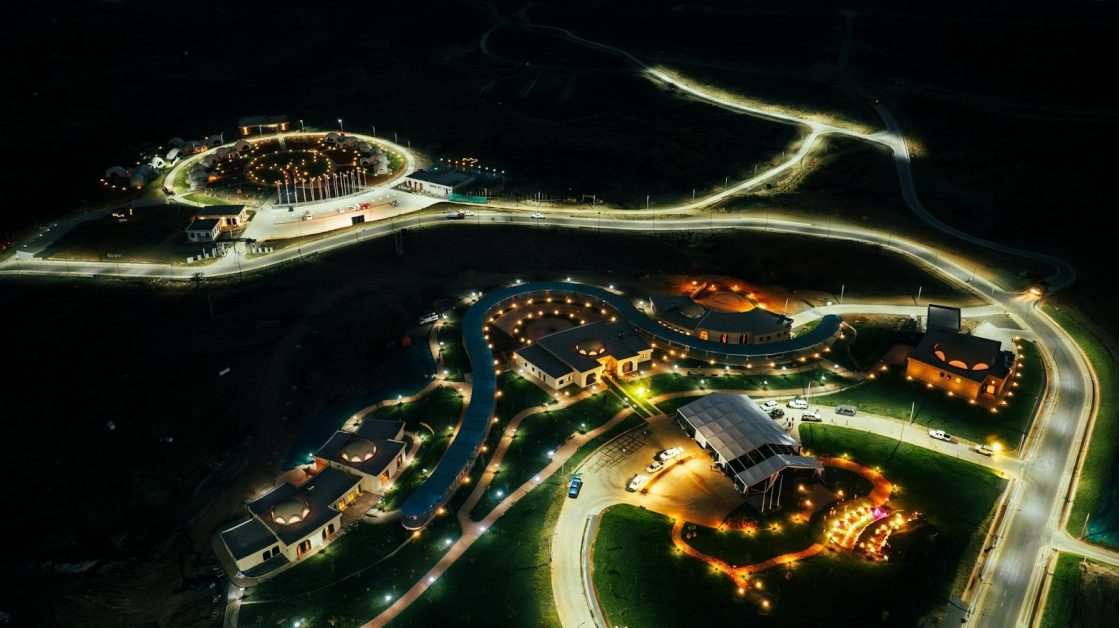
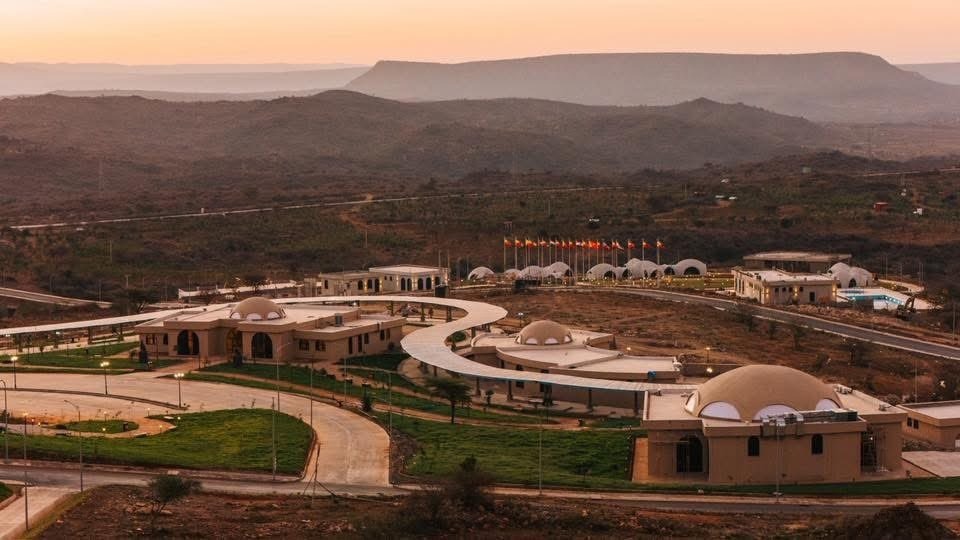
JUST 29 kilometres from the bustling heart of Jigjiga, where the ancient Fafen River whispers through arid plains and camel caravans have traversed for centuries, a new chapter in Ethiopian tourism opened its doors today. Shabeely Resort — a sprawling 385-hectare sanctuary of culture, nature, and connection — stands as a bold declaration that Ethiopia’s eastern frontier is ready to welcome the world.
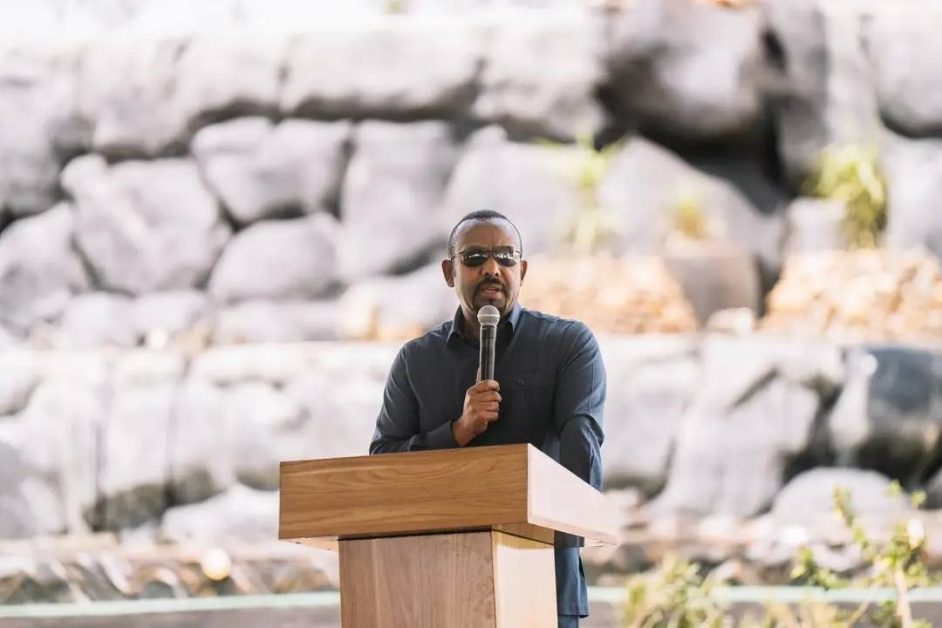
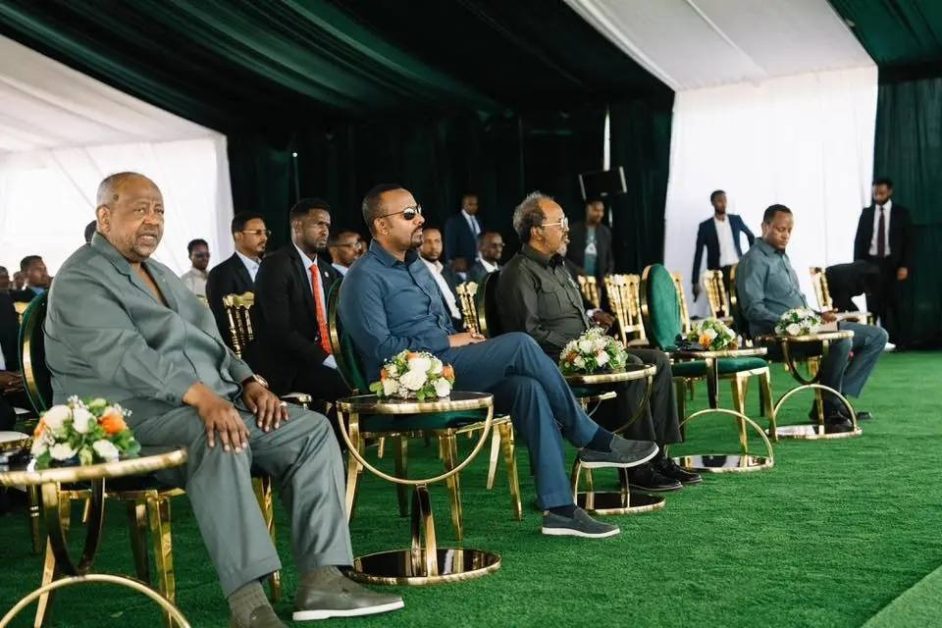
As the morning sun casts golden light across the Somali Region’s rolling landscape, Prime Minister Abiy Ahmed stood before Horn of Africa leaders to inaugurate what he called “a living expression of the rich heritage of the Somali Region, seamlessly blending modern architecture with ancient traditions.”
This is no ordinary resort. This is Medemer made manifest — a place where Ethiopia’s dreams become brick, mortar, and memory.
A Journey Through 15.4 Kilometres of Wonder
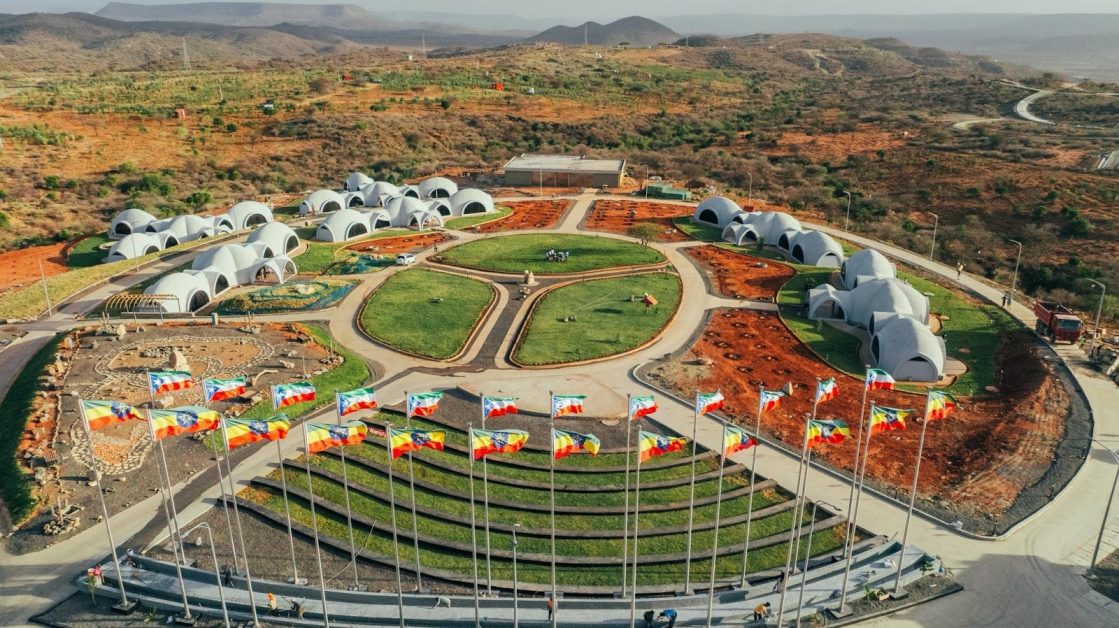
Picture yourself stepping through the gates of Shabeely. Before you unfold not just a resort, but an entire universe waiting to be discovered. Fifteen point four kilometres of shaded walkways beckon, weaving through landscapes that shift from the verdant embrace of the 10,000-tree Fruit Park to the authentic rhythms of the Camel Park, where these desert ships — so integral to Somali culture — graze peacefully, their handlers sharing stories passed down through generations.
The walkways themselves are engineering marvels designed for Ethiopia’s climate, offering respite from the midday sun while encouraging exploration. Couples stroll hand-in-hand beneath leafy canopies. Families with children dart between play areas, their laughter echoing across the grounds. International tourists pause to photograph the striking architecture that honours Somali design traditions while embracing contemporary sustainability.
“We wanted every meter of this space to tell a story,” explains one of the resort’s cultural guides. “When you walk here, you’re walking through layers of Ethiopian identity — Somali heritage, national pride, and a vision for generations yet to come.”
Where Food Becomes Fellowship
At the heart of Shabeely’s vision lies something beautifully simple yet profoundly important: the table. Three restaurants, each capable of serving up to 400 guests, anchor the resort as gathering places where strangers become friends over shared meals.
The main restaurant celebrates Somali culinary traditions — aromatic bariis iskukaris with its symphony of spices, tender suqaar stewed to perfection, and fresh malawax pancakes drizzled with honey. Here, local ingredients meet world-class culinary expertise. The air is thick with the scent of cardamom and cumin, punctuated by the rhythmic sounds of traditional coffee being roasted and ground in the ancient Ethiopian ceremony that transforms caffeine into communion.
The second venue offers pan-Ethiopian cuisine, allowing visitors from Addis Ababa or Arba Minch to taste home while locals explore the culinary diversity of their vast nation. Injera, that spongy sourdough staple, arrives at tables piled with wat stews in vibrant reds and yellows, each bite a conversation between regions.
The third restaurant takes an international approach, recognising that Shabeely will welcome guests from across continents. Yet even here, Ethiopian touches shine through — in the presentation, the coffee service, the warm hospitality that makes Ethiopian culture renowned worldwide.
“We say ‘Dine for Generations’ because food is how we preserve memory,” one chef explains, chopping fresh vegetables with practised precision. “My grandmother’s recipes live in these dishes. When tourists taste them, they’re tasting our history, our love, our hope.”
Culture Comes Alive
Beyond the restaurants lies the dedicated cultural venue — a space designed to pulse with the heartbeat of Somali and Ethiopian identity. Here, traditional music fills the air on weekend evenings. Dancers in vibrant fabrics swirl to ancient rhythms, their movements telling stories of pastoral life, warrior traditions, and celebrations that predate written history.
The venue hosts craftspeople demonstrating centuries-old techniques — women weaving intricate baskets from dried grasses, their fingers moving with muscle memory accumulated over lifetimes. Storytellers recount the legends of the Somali Region, tales of resilience and adaptation to one of Africa’s most challenging environments. Children gather at their feet, eyes wide, absorbing oral histories that schools cannot teach.
For international visitors, these performances offer windows into a culture too often oversimplified or misunderstood. For local Ethiopians, particularly young people from the Somali Region, they offer something equally precious: recognition. Your culture matters. Your traditions deserve celebration on a world stage.
Where Business Meets the Future
In an age of virtual meetings and screen fatigue, Shabeely offers something revolutionary: high-tech meeting halls situated in one of Ethiopia’s most scenic locations. Imagine conducting international conference calls with mountain vistas visible through floor-to-ceiling windows. Picture corporate retreats where team-building exercises happen not in sterile hotel ballrooms but among fruit trees and fresh air.
The meeting facilities boast cutting-edge technology — fibre-optic internet, state-of-the-art audio-visual equipment, simultaneous translation capabilities — all while maintaining the aesthetic warmth of Ethiopian design. Natural materials, traditional patterns integrated into modern furniture, artwork by local artists adorning the walls.
“We’re telling businesses: you don’t have to choose between productivity and inspiration,” says the resort’s business development manager. “Shabeely offers both.”
Regional government officials have already booked the spaces for conferences. International NGOs working in the Horn of Africa are making inquiries. Tourism boards from across Ethiopia see potential for training seminars and strategy sessions in an environment that embodies the nation’s tourism transformation.
Childhood Reimagined
Perhaps nowhere does Shabeely’s vision shine brighter than in its dedicated children’s play areas. These aren’t afterthoughts or token gestures. They’re thoughtfully designed spaces that blend safety with adventure, modern play equipment with natural elements.
Tree houses rise between fruit trees, their platforms offering kids bird’s-eye views of the resort’s landscape. Climbing structures mimic the region’s rock formations, inviting young visitors to scale miniature mountains. Sand pits with shade coverings become construction sites for elaborate castle projects. Water features — carefully designed for safety — allow children to splash and cool off under Ethiopia’s sun.
“We wanted children to have the same memories here that they’d create in the world’s best resorts,” explains the play area designer. “But we also wanted them to connect with nature. So we use natural materials where possible. We incorporate educational elements about local ecosystems. We create spaces where Ethiopian children and international children can play together, making friends across cultures before they’re old enough to see borders.”
Parents watch from shaded benches, sipping fresh juice pressed from fruits grown in the resort’s own orchards. It’s a scene of contentment — that rare modern commodity of family time without screens, conversations without interruptions.
The Fruit Park: An Edible Eden
Ten thousand trees. Let that number sink in for a moment. In a region where water is precious and greenery hard-won, Shabeely has created a forest — not of native drought-resistant species, but of fruit-bearing trees that will feed generations.
Wander the Fruit Park, and you’ll discover mangoes heavy on branches, their sweet perfume mingling with citrus notes from orange and lemon trees. Fig trees offer shade and sustenance. Date palms stand tall, their crowns heavy with clusters that will ripen in seasons to come. Apple trees, carefully cultivated despite the climate, represent the ambition underlying this entire project: nothing is impossible with vision and effort.
The park serves multiple purposes. It provides ingredients for the resort’s restaurants, reducing food miles and supporting sustainability. It offers educational opportunities for school groups to learn about agriculture and botany. It creates jobs for local horticulturists and caretakers. And perhaps most importantly, it transforms the landscape itself, proving that with proper water management and care, even arid regions can bloom.
“In Somali culture, we have always been innovators with limited resources,” shares one of the park’s caretakers, pruning a young guava tree. “This park honours that tradition while using modern knowledge. Our ancestors would be proud.”
The Camel Park: Where Heritage Meets Horizon
If the Fruit Park represents agricultural ambition, the Camel Park embodies cultural soul. Here, amid authentic Somali structures and landscapes that echo the region’s pastoral traditions, visitors encounter these magnificent animals that have sustained life in harsh environments for millennia.
The camels at Shabeely aren’t zoo attractions behind barriers. They’re working partners, many still participating in traditional practices while serving as ambassadors for a way of life. Visitors can join experienced handlers for desert walks, feeling the gentle sway of camel-back travel that was once the only way to cross these lands. Children can feed them, touch their thick coats, and learn why they’re called “ships of the desert.”
Interpretive displays — bilingual in Amharic, Somali, and English — explain the camel’s central role in Somali culture. Their milk, more nutritious than cow’s milk, sustains communities. Their strength enables trade across impossible distances. Their resilience mirrors the people who have thrived alongside them for centuries.
For the growing number of urban Ethiopians who have never experienced pastoral life, the Camel Park offers a connection to a living tradition that remains vital in their country’s rural heartland. For international tourists, it provides authentic cultural encounters without exploitation — handlers are respected employees, camels are well-cared for, and the profits support both the resort and local communities.
Hospitality Worthy of the Name
With 51 completed keys — hotel terminology for guest rooms — Shabeely offers accommodations that balance comfort with cultural authenticity. Each room features design elements drawn from Somali traditions: textile patterns that echo the region’s weaving heritage, colour palettes inspired by desert sunsets, and artwork by local artists.
But this isn’t performative decoration. The rooms offer genuine luxury — comfortable beds with premium linens, modern bathrooms with excellent water pressure (no small feat in this region), climate control for Ethiopia’s temperature swings, and those precious commodities of contemporary hospitality: reliable WiFi and accessible power outlets.
Balconies and windows frame views carefully chosen during the design process. Some overlook the Fruit Park, offering morning vistas of mist rising through green canopies. Others face the Camel Park, where sunrise silhouettes of these noble animals create postcard-perfect moments. The premium suites offer panoramic views of the surrounding landscape, where the resort’s boundaries blend into the wider Somali Region’s natural beauty.
The hospitality staff, recruited largely from the local community and trained to international standards, embody Ethiopian warmth with professional polish. They greet guests in multiple languages, anticipate needs before they’re expressed, and share knowledge about the region with genuine enthusiasm.
“I grew up in Jigjiga,” says one front desk attendant, her smile radiant. “I never imagined working in a place like this, serving guests from around the world, while staying in my home region. Shabeely has created opportunities we couldn’t have dreamed of five years ago.”
A Gathering Place for All
Perhaps Shabeely’s greatest achievement isn’t in its amenities or acreage, but in its fundamental purpose: connection. In an era of increasing division — urban from rural, region from region, Ethiopia from the wider world — this resort stands as neutral ground where diverse groups can meet on equal footing.
Local families from Jigjiga drive out on weekends, bringing children to play areas while parents enjoy meals in restaurants that many couldn’t previously access. Ethiopian tourists from other regions discover the Somali culture’s richness, breaking down stereotypes through direct experience. International visitors find an Ethiopia that challenges their preconceptions, discovering sophisticated hospitality in a region their guidebooks might have overlooked.
The resort hosts weddings where Somali and Amhara families unite, the celebration blending both cultures’ traditions. Corporate events bring together business leaders from across the Horn of Africa, networking over coffee grown on Ethiopian soil. School groups arrive by the busload, turning field trips into cultural education that textbooks cannot provide.
“We designed every space to foster interaction,” explains the resort’s community liaison officer. “The walkways are wide enough for strangers to comfortably chat. The restaurants have communal tables alongside private ones. The cultural venue has open-air sections where passersby become audience members. Community isn’t something we teach here — it’s something people experience naturally.”
The Medemer Spirit in Stone and Soil
When Prime Minister Abiy speaks of Medemer — the philosophy of synergy, of parts creating something greater than their sum — Shabeely Resort embodies that concept with unusual clarity.
It represents federal and regional government cooperation, with the Somali Region providing land and local knowledge while the federal Dine for Generations initiative supplied funding and expertise. It combines traditional Somali culture with contemporary Ethiopian identity, never erasing one for the other. It balances environmental sustainability with economic development, proving these goals aren’t mutually exclusive.
The project employed thousands during construction, prioritising local labour while bringing in specialised expertise where needed. Local suppliers provided materials. Regional engineers worked alongside international consultants. The result is infrastructure built not just in the community but by and for it.
Now operational, Shabeely generates ongoing employment across skill levels — from groundskeepers to management, from kitchen staff to cultural performers. The economic ripples extend beyond the resort’s boundaries. Taxi drivers in Jigjiga have new routes to serve. Craft sellers have new markets for their goods. Farmers have a new demand for their produce.
“This is development that makes sense for our people,” says a local elder who advised the project during planning. “It honours what we have — our culture, our landscape, our traditions — while creating what we need: jobs, income, recognition. That’s the promise of Medemer, made real.”
Looking Forward, Building Upward
Today’s inauguration marks not completion but commencement. The 385 hectares currently developed represent Phase One of a vision that could eventually expand significantly. Already, planners discuss possibilities: additional accommodation wings to meet demand, a conference centre large enough for international summits, sports facilities that could host regional competitions, wellness centres offering spa services rooted in traditional healing practices.
The infrastructure exists to support this growth. Roads connect Shabeely to Jigjiga and beyond. Water management systems can scale upward. The vision remains expansive but grounded, ambitious but achievable.
More importantly, Shabeely represents a replicable model. Across Ethiopia, from Tigray to the Southern Nations, communities watch this project with interest. Can sustainable tourism development honour local culture while generating meaningful economic benefit? Can world-class facilities emerge in regions previously overlooked by international hospitality? Can a single site shift perceptions and possibilities for an entire region?
If Shabeely succeeds — and early indicators suggest it will — the answers appear to be yes, yes, and yes.
An Invitation Extended
As the inauguration festivities wind down and the first official guests check into their rooms, Shabeely Resort issues an invitation to all who would accept it: Come. Discover. Connect.
Come taste food prepared with recipes passed through generations of Somali families. Discover landscapes where fruit trees flourish, and camels graze peacefully. Connect with Ethiopians of all backgrounds who believe their country’s best days lie ahead, not behind.
Whether you’re an international traveller seeking authentic cultural experiences, a business professional needing world-class meeting facilities in inspiring surroundings, an Ethiopian family from another region curious about the Somali culture, or a local resident wanting to experience international hospitality standards in your home area, Shabeely welcomes you.
The resort that opened today carries the hopes of an entire region — hope for economic opportunity, for cultural recognition, for a future where the Somali Region’s place in Ethiopia’s story is celebrated rather than sidelined. It embodies Prime Minister Abiy’s vision of an Ethiopia that doesn’t merely dream but delivers, that doesn’t just promise prosperity but creates pathways toward it.
In the final analysis, Shabeely Resort offers something precious and rare: a place where the past isn’t forgotten, the present isn’t wasted, and the future feels genuinely bright. That’s a destination worth visiting, a vision worth supporting, and a story worth sharing with the world.
The gates are open. The tables are set. The journey of generations begins now.
Shabeely Resort is located 29 kilometres from Jigjiga in Ethiopia’s Somali Region. The resort features three restaurants serving up to 400 guests, a cultural venue, high-tech meeting facilities, extensive children’s play areas, 15.4 kilometres of shaded walkways, a 10,000-tree Fruit Park, an authentic Camel Park, and 51 guest rooms. Developed under the Dine for Generations initiative, the resort represents Ethiopia’s commitment to becoming one of Africa’s premier tourist destinations through sustainable, culturally-grounded development.