ADDIS ABABA, Ethiopia — African leaders and climate experts concluded a major continental conference with urgent calls for massive international investment to address what they describe as a crippling $160 billion climate adaptation funding shortfall that threatens the continent’s 1.4 billion people.
The 13th Conference on Climate Change and Development in Africa wrapped up in Ethiopia’s capital after three days of intense negotiations aimed at forging a unified African position ahead of November’s COP30 climate summit. The gathering brought together government ministers, scientists, and civil society representatives from across the continent to hammer out what organisers are calling an “investment-ready African climate agenda.”
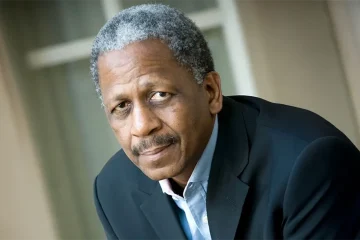
“Africa cannot bear a $160 billion adaptation gap alone,” declared Claver Gatete, Executive Secretary of the UN Economic Commission for Africa, which co-hosted the event alongside the African Development Bank, African Union Commission, and Pan-African Climate Justice Alliance. “The Loss and Damage Fund must be made operational without delay, on fair and accessible terms.”
The conference’s outcomes will directly feed into next month’s Second Africa Climate Summit and serve as the foundation for the continent’s negotiating position at COP30, where African nations are expected to present a more coordinated front than in previous years.
Six-Point Climate Action Plan
Gatete outlined six priority areas that will anchor Africa’s climate strategy:
The continent is placing adaptation and loss and damage compensation at the centre of its demands, arguing that African nations — which contribute less than 4% of global greenhouse gas emissions — are disproportionately bearing the costs of climate impacts they did not create.
On climate finance, African leaders are pushing for fundamental reforms to the global financial system, citing “unfair borrowing costs” that trap the continent in aid dependence. They’re advocating for expanded use of innovative financing tools, including green bonds and debt-for-climate swaps.
The energy transition emerged as a particularly complex challenge, with more than 600 million Africans still lacking access to electricity. Conference participants emphasised that any transition must be “green and just,” expanding energy access while pursuing sustainable development.
Africa’s vast ecosystems — from the Congo Basin rainforests to the Sahel’s grasslands — were positioned as “global lifelines” requiring fair international valuation and greater investment in protection efforts.
Continental Leadership Assertion
The conference marked a notable shift in tone from previous African climate gatherings, with leaders emphasising the continent’s agency rather than victimhood in climate discussions.
“Africa is not waiting to be acted upon,” Gatete emphasised. “We are shaping our destiny, leveraging our resources, and bringing solutions to the world.”
This assertiveness comes as African nations prepare for what many view as a make-or-break COP30 summit, where the implementation of previous climate commitments will face critical scrutiny.
The Addis Ababa Declaration emerging from this week’s conference is expected to be formally adopted at the Second Africa Climate Summit before being presented as Africa’s unified position in global climate negotiations.
Ethiopian government representatives, along with officials from the African Development Bank and African Union, participated in the multi-stakeholder discussions that organisers hope will translate into concrete action across the continent’s 54 nations.