GENEVA — The displacement crisis engulfing Africa’s Sahel region has swelled to 4 million people, a staggering 66 percent increase in just five years, as the UN refugee agency issued an urgent appeal for international support on Thursday.
Violence, climate shocks, and collapsing basic services have driven mass displacement across Burkina Faso, Mali, Niger, and neighbouring countries, with cross-border movements accelerating as conditions deteriorate. The humanitarian catastrophe is unfolding even as funding has plummeted, leaving critical programs unable to reach those in desperate need.
“Countries in the region cannot face these challenges alone,” Abdouraouf Gnon-Konde, UNHCR’s Director for West and Central Africa, told reporters in Geneva. “Protecting millions of displaced families and securing a safer future demands more than words; it requires unified, sustained international action.”
The crisis has devastated the region’s social infrastructure. More than 14,800 schools have shuttered since mid-2025, depriving 3 million children of education and safe havens. Over 900 health facilities have been forced to close, leaving entire communities without critical medical care.
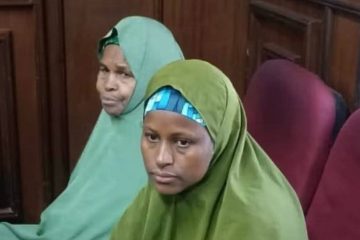
Women and children bear the brunt of the displacement, comprising 80 percent of those forced from their homes. Gender-based violence has surged, with the region’s inter-agency protection monitoring system recording a significant spike in incidents this year.
Armed groups have exploited the chaos, exposing civilians to forced recruitment, arbitrary detention, and movement restrictions. Young people face mounting dangers, including trafficking and limited economic opportunities, pushing many toward perilous journeys beyond the region.
Food insecurity has emerged as a powerful new displacement driver, with twice as many people now citing hunger as a reason for fleeing compared to recent years. Climate-related disasters have intensified competition over dwindling natural resources, straining relations between displaced populations and host communities.
Yet the humanitarian response is buckling under financial pressure. UNHCR needs $409.7 million for Sahel operations in 2025, but has secured only 32 percent of that amount. The funding shortfall has crippled essential services, including registration, documentation, education, health, and shelter programs.
More than 212,000 refugees and asylum-seekers in Burkina Faso, Mali, and Niger remain unregistered, exposing them to harassment, arbitrary detention, and blocked access to basic services.
Despite the mounting pressures, local communities have demonstrated remarkable solidarity. In Mali, 90 percent of displaced people report feeling integrated, with host communities sharing scarce land and resources. Burkina Faso has deployed traditional conflict-resolution mechanisms to support coexistence between displaced and settled populations.
All Sahel countries have signed the 1951 Refugee Convention and ratified the Kampala Convention on internal displacement, establishing legal frameworks for protection and inclusion. But those commitments mean little without the resources to implement them.
The UN agency’s call for action comes as humanitarian needs in the Sahel have surged while international support has declined sharply since 2022, creating a widening gap between suffering and response.