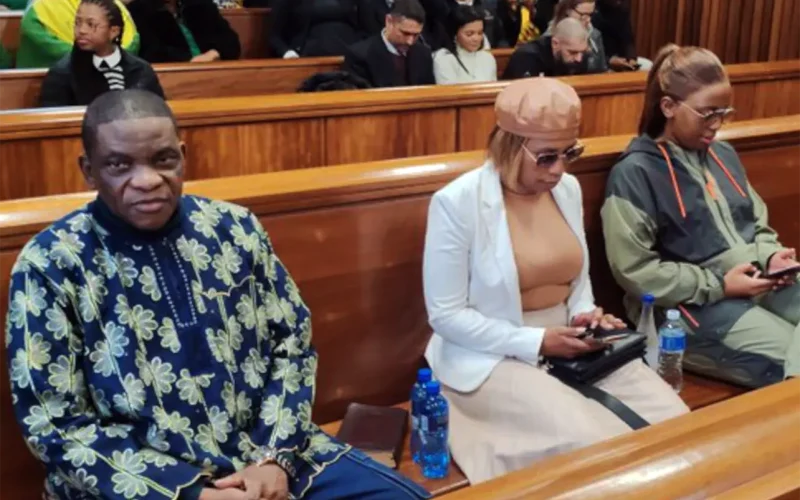
THE acquittal of Nigerian pastor Timothy Omotoso on charges of rape, human trafficking, and racketeering has ignited a storm of outrage across South Africa. The verdict, handed down after an eight-year legal battle, has left many questioning the justice system and mourning what they perceive as a failure to protect victims of abuse.
Omotoso’s trial, one of the most high-profile cases in recent years, was fraught with delays, allegations of prosecutorial misconduct, and judicial irregularities. The pastor and his co-accused, Lusanda Sulani and Zukiswa Sitho, were accused of orchestrating a network to groom and sexually exploit young women, some as young as 14. The prosecution presented harrowing testimonies from survivors detailing how Omotoso allegedly manipulated them under the guise of spiritual guidance.
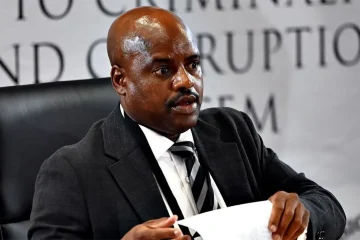
However, Judge Irma Schoeman ruled that the state had failed to prove its case beyond reasonable doubt. She cited poor cross-examination by the prosecution and unsatisfactory witness statements as key factors in her decision. The defence successfully argued that evidence against Omotoso was not sufficiently tested during trial proceedings.
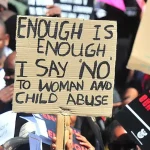
The verdict has sparked widespread anger among women’s rights groups, activists, and the general public. Many view the acquittal as a miscarriage of justice and a blow to efforts to combat gender-based violence in South Africa. Critics have pointed to systemic failures within the justice system, including prosecutorial incompetence and judicial delays that undermined the case.
[WATCH] Televangelist Timothy Omotoso says it has been a difficult past eight years for him, and God will lead him to his next chapter. He was found not guilty on charges including rape, sexual assault and human trafficking. #Newzroom405 pic.twitter.com/2dKAJkV2i0
— Newzroom Afrika (@Newzroom405) April 2, 2025
Social media platforms have been flooded with expressions of disbelief and frustration. Advocacy groups have called for reforms to ensure survivors are better supported during legal processes and that cases involving sexual violence are handled with greater sensitivity and competence.
Omotoso spent nearly eight years in custody awaiting trial, a fact that has fueled his plans to sue the state for wrongful arrest. If successful, South African taxpayers could bear the financial burden of compensating him—a prospect that has further inflamed public sentiment. The pastor’s legal team argues that his prolonged detention was unjustified and that he was targeted unfairly due to his prominence as a religious leader.
The acquittal underscores deep divisions within South Africa’s fight against gender-based violence. While some argue that the verdict reflects the principle of “innocent until proven guilty,” others see it as emblematic of a justice system failing its most vulnerable citizens. For many survivors of abuse, this case serves as a painful reminder of the challenges they face in seeking justice.
As Timothy Omotoso walks free, South Africa grapples with questions about accountability, systemic reform, and the enduring scars left by this controversial trial.