
IN the shadow of Jebel Marra’s ancient peaks, where citrus groves once painted the mountainside in emerald splendour, the village of Tarseen had weathered countless storms. For generations, its people had coaxed life from the rocky soil, their hands stained with the juice of oranges and lemons that grew impossibly sweet in the thin mountain air. The fragrance of their orchards had been a blessing carried on every wind – until the earth itself turned against them.
The rains began as they always did in late August, drumming against tin roofs and rushing through irrigation channels that had fed the groves for decades. But this time, the sky seemed to weep with an otherworldly grief. Day after day, the heavens opened with a fury that spoke of something deeper than weather – as if nature itself was mourning the endless bloodshed that had already claimed so many Sudanese lives.
For a week, the people of Tarseen watched the water rise. They had survived so much already – the distant thunder of artillery from the civil war that raged beyond their mountains, the streams of refugees who sought shelter in their neutral territory, the shortages that left children crying from hunger in the night. They had learned to endure, these mountain dwellers, to find hope in the smallest mercies.
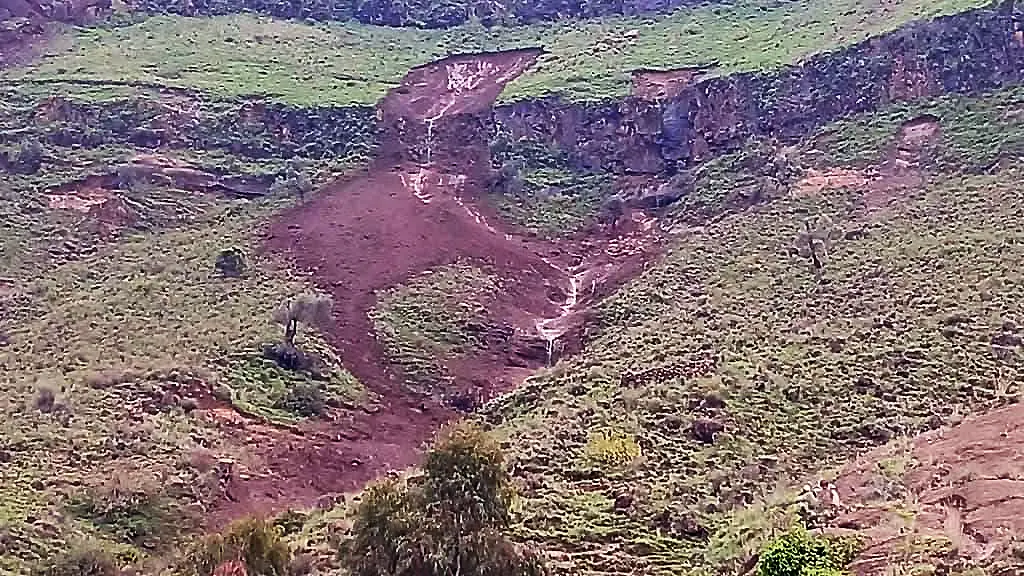
But on that August morning, as the sun struggled to pierce the storm clouds, the mountain itself began to move.
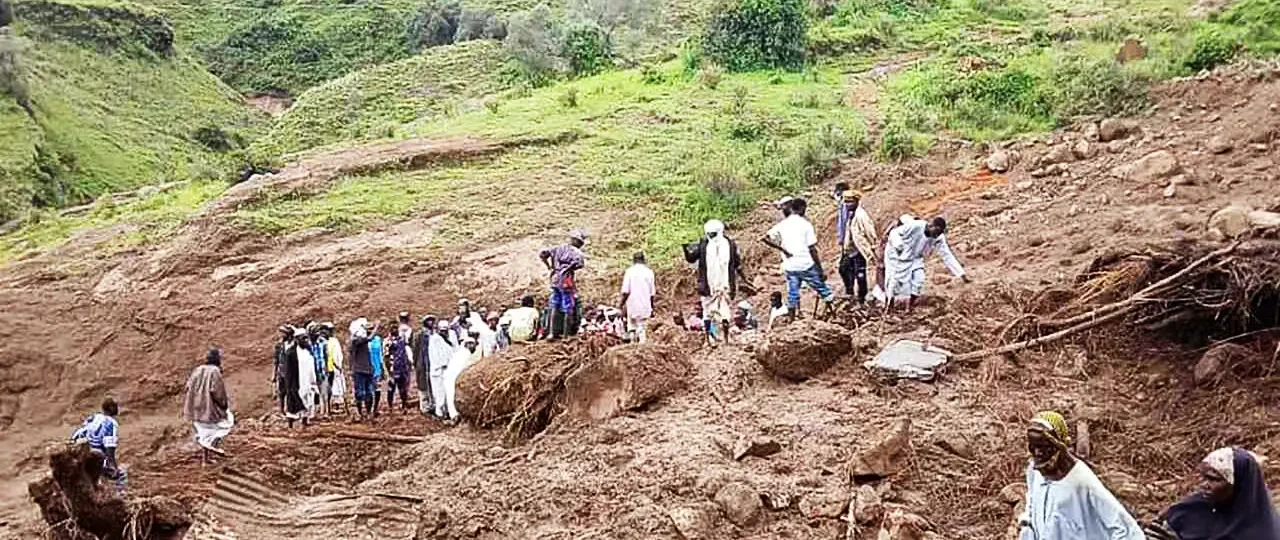
The landslide came without warning, a titan’s fist of mud and stone that swallowed their world whole. In seconds, generations of careful cultivation disappeared beneath a brown torrent that showed no mercy. The citrus trees that had been their pride and livelihood – some planted by grandfathers long dead – were torn from the earth like weeds. Homes that had sheltered families through wars and famines crumbled like paper in a flood.
One thousand souls, each with their own stories of survival and loss, were claimed by the earth in moments. Mothers who had sung lullabies to calm their children during artillery barrages. Fathers who had tended their groves even as civil war raged in the valleys below. Elders who remembered when the mountain was a place of peace. Children who had never known a world without conflict but had still found wonder in the sweet taste of mountain oranges.
Where Tarseen once stood, where laughter had echoed through narrow streets and the scent of citrus blossoms had danced on evening breezes, now only silence remains. The village that had been “famed for its citrus production” exists now only in memory – completely levelled, as if nature had decided to erase this small pocket of resilience from the world.
In the aftermath, as rescue workers begin the impossible task of recovering what remains, one question haunts the survivors in neighbouring settlements: How much suffering can one people endure? The same nation that has seen millions flee their homes, that has watched half its population face starvation, that has bled through two years of civil war, has now lost an entire community to the mountain’s rage.
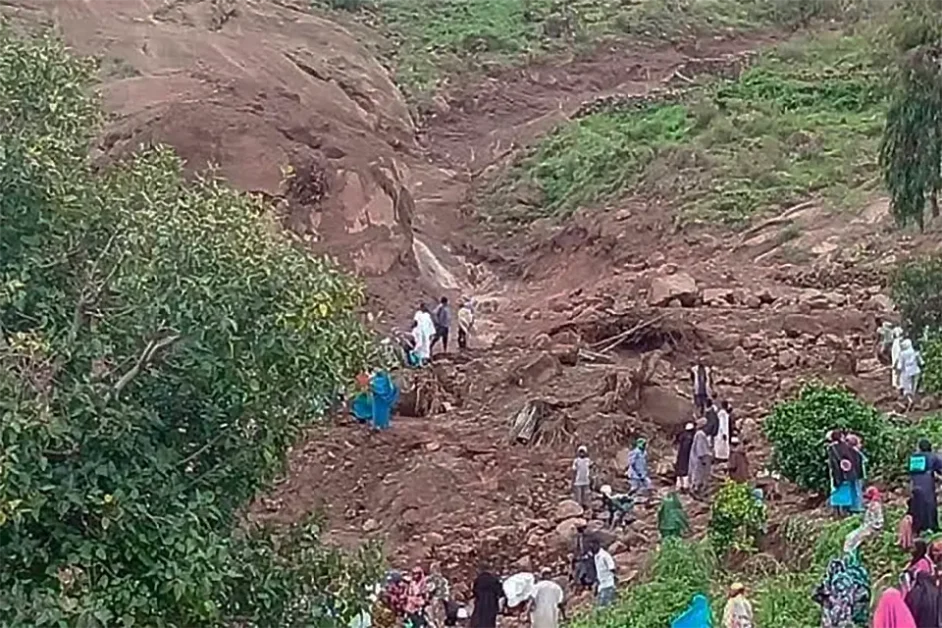
Perhaps most heartbreaking of all is the single survivor – one person left to carry the memory of a thousand lives, to remember the taste of Tarseen’s oranges and the sound of children playing in streets that no longer exist. They alone must bear witness to a community that had somehow preserved its identity and culture through decades of conflict, only to be claimed in minutes by the very earth that had sustained them.
The mountain that had sheltered Tarseen from the world’s violence became its destroyer. In a land where human cruelty had already taken so much, nature delivered the final, crushing blow – a reminder that even in our darkest hours, the earth itself can humble us with forces beyond our comprehension or control.
Tarseen is gone. Its people, its stories, its sweet-scented legacy – all buried beneath the mountain’s sorrow. What remains is a scar on the landscape and a wound in the hearts of those who loved this small village that dared to grow beauty in a world consumed by war.