THE death toll from tribal clashes triggered by land disputes in southeastern Sudan’s Blue Nile State has risen to at least 64, medical sources said on Monday, with the long-festering tensions spreading into some other states.
A curfew was imposed in two major towns of Blue Nile State and security forces were deployed following fighting between the Hausa and Funj tribes that began last week.
Medical sources in the state capital Damazine said that at least 64 people had been killed and hundreds injured, amid a severe shortage in emergency medical supplies.
In the city of Roseires, also in Blue Nile, clashes continued on Monday with several houses burned, witnesses told Reuters. Others said that large groups of people had begun moving in cars and on foot to neighbouring Sennar state.
Members of the Hausa tribe, whose members inhabit farming areas across the country, staged protests that turned violent in two other states, witnesses said.
The witnesses said protesters in Kassala set fire to several government buildings, and security forces fired in the air to break up the crowd.
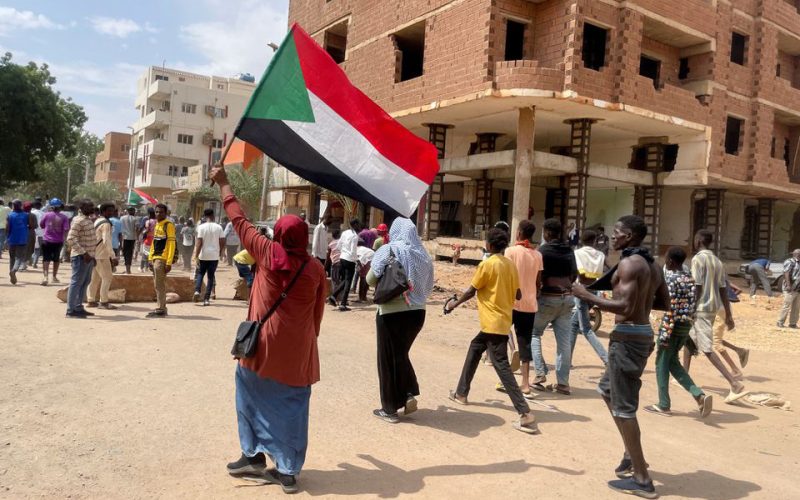
Meanwhile, in Madani, capital of Gezira state, protesters blocked a main road and bridge and also clashed with other protesters, a witness said.
Funj-Hausa tensions boiled over following accusations from the Funj, who have long inhabited Blue Nile state, that the Hausa were trying to lay claim to parts of their land.
There has also been sporadic violence in eastern coastal regions and western Darfur despite a nationwide peace deal signed by some rebel groups in Juba in 2020.
Military leaders, who seized power in October 2021 saying they wanted to preserve the country’s stability, have said they are working to shore up the peace deal.
Protesters have accused military rulers of failing to protect civilians and stoking tribal conflict.
Ruling Sovereign Council member Malik Agar said on Sunday
the priority was to restore stability and security in strife-torn areas and there was no wish to alter the demographic makeup or “deprive…original residents of their historical rights”.