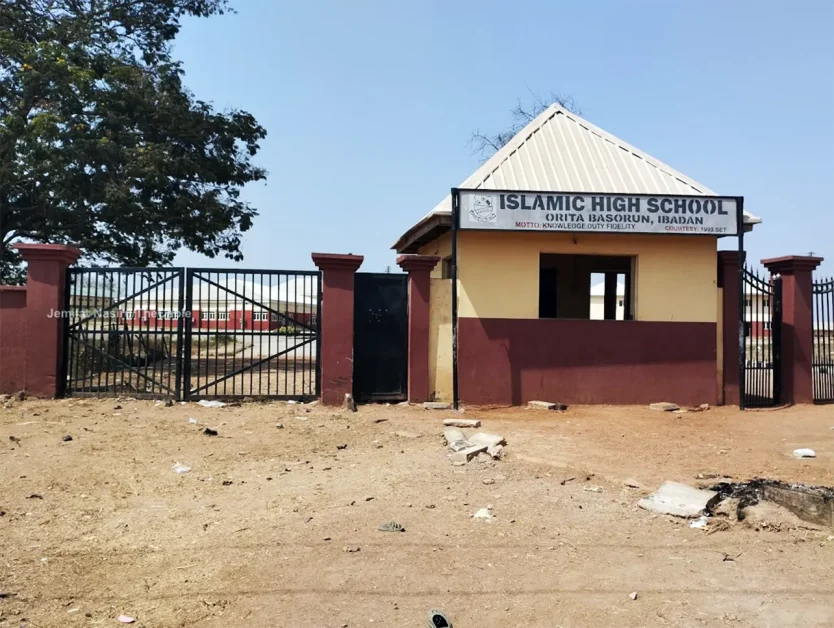
DAWN broke quietly over Ibadan that Wednesday morning, as thousands of hopeful parents and their children made their way through the city’s drowsy streets. By 5 AM, they were already gathering outside the Islamic High School in Bashorun, their hearts full of the promise of Christmas joy – a modest 5,000 naira that could mean the difference between celebration and hunger in Nigeria’s harsh economic climate.
The morning air was thick with anticipation as children chattered excitedly about what they might buy with their share. But as the sun climbed higher and the crowd swelled beyond 5,000, the atmosphere began to shift. The excitement turned to restlessness, then to urgency, and finally to chaos. When the organizers arrived, the surge was immediate and devastating. In those terrible moments, childhood dreams of Christmas treats transformed into every parent’s worst nightmare.
Today in Nigeria history records the stampede in Ibadan Nigeria that k!lled over 35 children hustling to for Christmas rice and $3. The hunger in Nigeria under Tinubu presidency has become fatal literally: pic.twitter.com/afRE0vfhEF
— Today in Nigeria History (@NaijaHistory_) December 19, 2024
In the aftermath, hospitals across Ibadan became landmarks of sorrow. At one facility, medical staff worked desperately to save the six children brought in, but only two survived. The corridors echoed with the wails of parents identifying their children, while others frantically searched from hospital to hospital, clinging to diminishing hope.
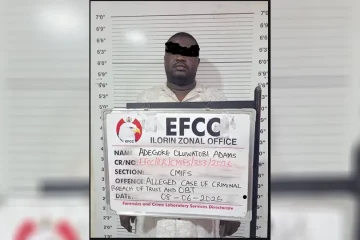
The arrests – eight people – brought little comfort to the bereaved families. President Tinubu’s condolences and promises of investigation fell like hollow notes on ears deafened by grief. For these families, Christmas had become a season of mourning, their festivities replaced by funeral prayers.
The tragedy exposed the desperate circumstances that would drive thousands to risk their children’s safety for a mere 5,000 naira – about £2.50. It was a stark reminder of Nigeria’s economic crisis, where similar incidents had already claimed lives in Nasarawa, Bauchi, and Lagos throughout the year.
As dusk settled over Ibadan that evening, thirty-five families faced the unthinkable task of preparing graves instead of Christmas celebrations. Their stories – of hope turned to horror, of Christmas joy transformed into endless sorrow – would forever haunt the city’s memory, a brutal testament to the price of poverty and the cost of desperation.
In the quiet of their homes, parents who had buried their children according to Muslim rites now sat in rooms where young voices would never again be heard, where gifts would remain unwrapped, where the very mention of Christmas would forever carry the weight of an unbearable loss. Their questions – about accountability, about justice, about why – lingered in the air, unanswered, as investigations continued into what should have been a season of joy.