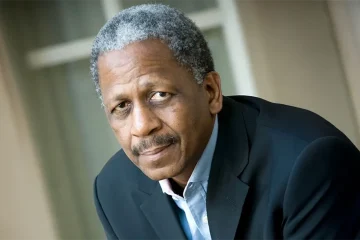
IN the crisp March air of Ithaca, New York, Momodou Taal stood on Cornell University’s campus one last time. The doctoral candidate in Africana Studies – a dual citizen of the UK and The Gambia – had become the unwitting face of a nationwide controversy, the first African caught in President Trump’s sweeping visa cancellations targeting pro-Palestinian student protesters.
“Given what we have seen across the United States, I have lost faith that a favourable ruling from the courts would guarantee my personal safety and ability to express my beliefs,” Taal wrote in a final message before departing American soil.
His journey from a promising scholar to political exile began months earlier. Like thousands of students across America, Taal had joined demonstrations against Israel’s military campaign in Gaza following Hamas’ October 2023 attack. But unlike many of his peers, Taal’s activism carried additional consequences – his participation would ultimately cost him his academic future in America.
The confrontation escalated when Taal joined activists disrupting a campus career fair featuring weapons manufacturers. Cornell University responded by ordering him to study remotely, separating him from the academic community that had become his home. His social media history was scrutinized, with opponents highlighting his statement that “colonised peoples have the right to resist by any means necessary.”
When immigration officials demanded he surrender himself and announced the revocation of his student visa, Taal chose to fight back through legal channels. In mid-March, he filed a lawsuit challenging the deportation of protesters – a last-ditch effort that a judge ultimately rejected.
The Trump administration has framed these deportations as necessary security measures, with the president himself accusing foreign protesters of supporting Hamas, promoting antisemitism, and creating foreign policy complications. But critics, including Jewish advocacy groups, argue the administration deliberately conflates criticism of Israeli policies with antisemitism and terrorist sympathies.
Taal’s case doesn’t stand alone. Columbia University student Mahmoud Khalil, Georgetown student Badar Khan Suri, Korean American Columbia student Yunseo Chung, and Turkish Tufts University doctoral student Rumeysa Ozturk have all faced similar immigration enforcement actions. Court battles continue across the country as judges weigh temporary protections against the administration’s determination to enforce its policies.
Meanwhile, the Trump administration claims it may have revoked more than 300 visas in what critics characterize as a systematic effort to silence dissenting voices on American campuses.
As Taal boarded his flight leaving America behind, his departure marked not just a personal tragedy but a symbolic moment – the point where academic freedom and immigration enforcement collided, with a young African scholar caught at the center of America’s deeply divisive political landscape.