UGANDA’s presidential election next week will occur “in an environment marked by widespread repression and intimidation,” according to a United Nations report published today that catalogues systematic restrictions on opposition activities, media freedoms, and civil society in the lead-up to the January 15 vote.
The report from the UN Office of the High Commissioner for Human Rights details how Ugandan authorities have used legislation enacted or amended since the 2021 election to “entrench repression and impunity, particularly against the opposition,” and restricted fundamental rights to freedom of expression, association and peaceful assembly.
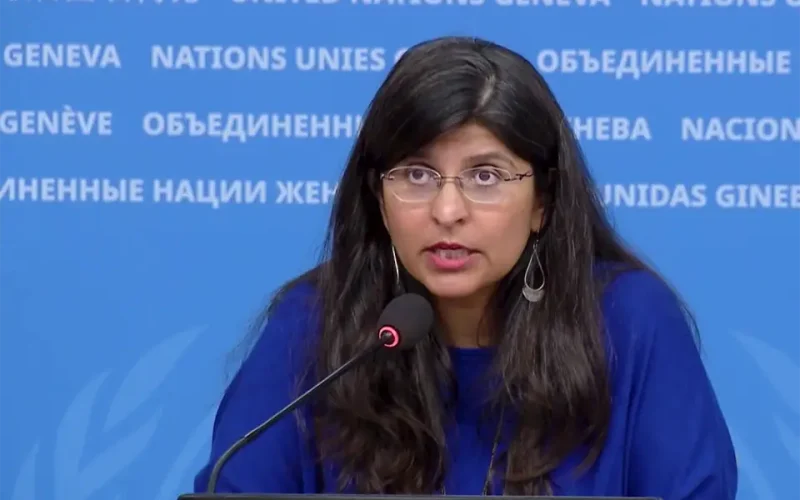
“High Commissioner Volker Türk calls on the Ugandan authorities to uphold the rights of all Ugandans to take part in the public affairs of their country – fully and safely, as is their right under international law,” said UN spokesperson Ravina Shamdasani. She emphasized that authorities must ensure “no unnecessary or disproportionate force, including lethal force, is used to disperse peaceful protests, on election day and beyond.”
Legislative Framework for Repression
The UN report identifies three key pieces of legislation that authorities have weaponised to silence dissent: the Computer Misuse (Amendment) Act of 2022, the Non-Governmental Organisations (Amendment) Act of 2024, and the Uganda People’s Defence Forces (Amendment) Act of 2025.
Using these laws, “Ugandan authorities have arrested and detained opposition leaders and activists, raided the premises of political opposition parties and confiscated their property. They have also suspended radio stations, arrested bloggers, and tightened control over NGOs,” Shamdasani said.
The restrictions have particularly targeted the main opposition National Unity Platform (NUP) party through roadblocks, raids, seizure or blocking of access to offices, and forced dispersal of gatherings.
High-Profile Detentions
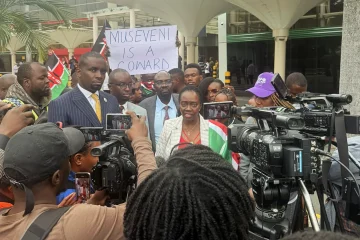
The UN report highlights several cases that exemplify the deteriorating political environment, including the ongoing detention of leading opposition figure Kizza Besigye, who has been held on what the UN describes as “questionable treason charges” since being abducted in neighbouring Kenya in November 2024. Besigye and his associate Obeid Lutale have been repeatedly denied bail on unclear grounds.
The December 30, 2025, arrest of Sarah Bireete, executive director of the Centre for Constitutional Governance, represents “the latest in a series of concerning developments,” according to the UN. Security forces detained the prominent human rights defender at her home, and she was charged three days later with “unlawfully obtaining or disclosing personal data” related to national voter information.
Authorities allege Bireete disclosed voter registry information without Electoral Commission consent, though no detailed evidence has been presented. Her lawyers report that police interrogations focused primarily on her social media criticism of President Yoweri Museveni and the government. Her bail hearing has been scheduled for January 21, ensuring she remains in detention through the election despite Ugandan law requiring bail determinations to be made “expeditiously.”
The activist had publicly raised concerns about discrepancies in the voters’ registry and questioned the legitimacy of the forthcoming elections.
Security Force Tactics
The UN report documents disturbing patterns in security force operations. According to the findings, police, military personnel, and the Joint Anti-Terrorism Task Force have “unlawfully used firearms and live ammunition to disperse peaceful assemblies, and to carry out arbitrary arrests and prolonged pre-trial detentions, particularly targeting the opposition.”
Security forces frequently use unmarked vans—commonly known as “drones”—to abduct opposition party members and supporters, holding them in incommunicado detention at unauthorised sites known as “safe houses,” the report states.
The government has also issued a directive imposing a blanket ban on live broadcasting of what it describes as riots and unlawful processions, further restricting media coverage of the electoral period.
Opposition Candidate’s Platform
Bobi Wine, the main opposition candidate seeking to unseat Museveni, told Reuters last week that he would review Uganda’s production-sharing agreements with international oil companies if elected, revising any terms deemed unfavourable to Ugandans.
The 43-year-old former pop star, whose legal name is Robert Kyagulanyi, finished second in the 2021 election with 35% of the vote. He is mounting his second consecutive challenge to Museveni, who at 81 is seeking a seventh five-year term after 40 years in power.
Wine reported being beaten twice by security forces during the campaign period and being blocked from campaigning in certain areas. According to Wine and UN reports, hundreds of his supporters have been detained during the campaign. The government maintains that all arrests are based on legitimate criminal violations.
Uganda’s oil reserves, estimated at 6.65 billion barrels, were discovered two decades ago, but commercial production has been repeatedly delayed. Fields operated by France’s TotalEnergies, China’s CNOOC, and Uganda National Oil Company are expected to begin commercial production later this year.
Call for Western Action
Wine criticised Western allies for what he termed “hypocrisy” in continuing financial support to Museveni’s government despite documented crackdowns on opposition supporters.
“These Western countries have laws that they can invoke to slap sanctions on those who violate human rights,” Wine said. “Unfortunately, they have not. So that comes off as if diplomacy is more important than democracy to them. It comes off as if business is more important than human rights.”
Accountability Demands
The UN is calling for comprehensive accountability for election-related violations. “All those responsible for election-related human rights violations, including unresolved violations from the 2021 elections, must be held to account through fair proceedings, following effective, thorough, and impartial investigations,” Shamdasani said.
Human Rights Watch has echoed these concerns, calling for Bireete’s release and describing her arrest as “a demonstration of the Uganda government’s continuing intolerance of dissent.” The organization emphasized that Ugandan authorities should respect rights to freedom of expression and political participation.
The election comes at a critical juncture for Uganda, with oil production poised to begin and longstanding questions about political succession and democratic governance remaining unresolved. The UN report’s findings raise fundamental questions about whether the January 15 vote can be conducted in conditions that meet international standards for free and fair elections.
Human rights organisations and opposition figures regularly accuse Museveni’s government of violently repressing critics. Ugandan authorities consistently dismiss these allegations. Uganda’s information minister, TotalEnergies, and CNOOC did not respond to requests for comment.