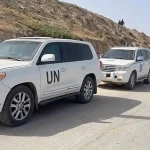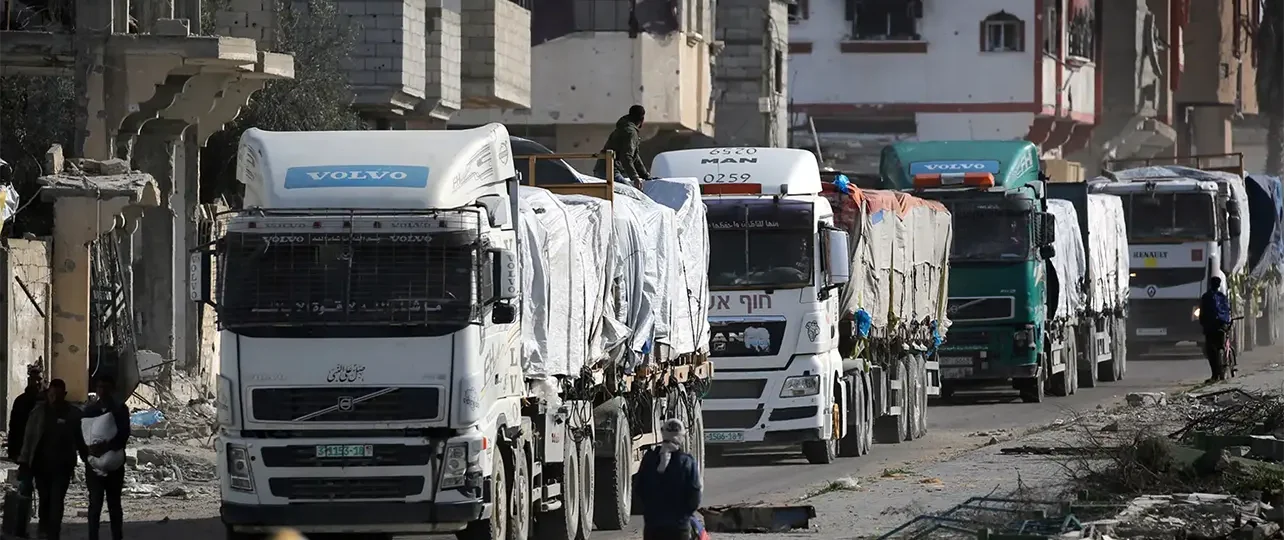

THE first meagre midweek delivery of urgently needed medical goods to enter Gaza in months will provide scant relief to the enclave’s people, who continue to be shot and killed as they search for food, the UN World Health Organisation (WHO) said.
“Definitely, people get shot,” said Gaza-based medic Dr. Luca Pigozzi, WHO Emergency Medical Team Coordinator. “They are victim of blast injuries as well and bodily injuries, for sure.”
The WHO official’s comments follow reports of another mass casualty incident on Thursday, this time involving a strike on a market in the central city of Deir al Balah.
More than 20 people were killed and approximately 70 others were injured, said the UN aid wing, OCHA, with victims rushed to Al Aqsa Hospital, Nasser Medical Complex and two other health facilities.
In addition to the latest deadly incident, at least 410 Palestinians have been killed by the Israeli military while trying to fetch aid from controversial non-UN aid hubs supported by Israel and the United States, the UN human rights office, OHCHR, said.
Providing high-quality medical care is very difficult in the wartorn occupied enclave today, “particularly because we are speaking about a high volume of patients every time”, Dr Pigozzi insisted.
Health needs are widespread and dramatic, with almost 50 per cent of medical stocks completely depleted.
WHO’s first medical shipment into Gaza on Wednesday was its first since 2 March, when Israel imposed a full blockade on the Strip.
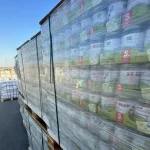
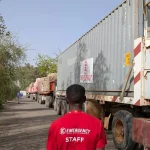
In total, nine trucks carrying essential medical supplies entered the enclave with 2,000 units of blood and 1,500 units of plasma; all transited through the Kerem Shalom crossing. It is “only a drop in the ocean” of what is required, Dr Pigozzi said.
Speaking to journalists from Jerusalem, WHO’s Dr Rik Peeperkorn highlighted renewed difficulties in securing agreement from the Israeli authorities to allow more UN and partner agencies’ supply trucks into Gaza.
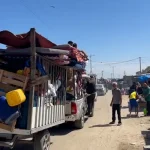
“That’s really unfortunate and should not happen, because you don’t want to see those desperate people and specifically desperate young men risking their lives to get some food either,” he said, amid reports of a chaotic rush for supplies at non-UN distribution points and of starving Gazans taking goods directly off lorries.
Before the Israeli blockade, the UN and its humanitarian partners demonstrated that their aid delivery system reached those most in need, insisted Dr Peeperkorn, WHO Representative in the occupied Palestinian territory. Today, that is not the case because of repeated refusals by Israeli authorities to allow supplies into Gaza.
“Open the routes and make sure that we can get our supplies in,” he said. “The market needs to be flooded with food and non-food items and water, et cetera, et cetera, and including essential medicines in a most cost-effective manner.”
Since March, aid teams have encountered a 44 per cent denial rate, meaning that for every 10 staff requesting entry, “four to five of them are denied per rotation”, WHO’s Dr Pigozzi said.
Echoing that message, WHO spokesperson Christian Lindmeier insisted that people are starving, sick and dying across Gaza every day. “They have been killed on the way trying to get medical help, and they have been killed inside hospitals. Now, additionally, they are being killed on the way to get food items which are scarcely being provided,” he said.
“We have food and medical help minutes away across the border, sitting there and waiting for weeks and months by now. Just open the door.”