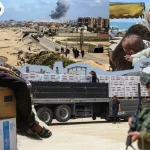
PALESTINIAN civilians desperate for food in Gaza are being shot down in growing numbers while seeking aid, overwhelming an already devastated healthcare system pushed far beyond its breaking point, the World Health Organisation has warned.
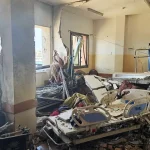
More than 1,655 people have been killed and over 11,800 injured at food distribution areas since May 27, according to WHO Representative Dr. Rik Peeperkorn. The casualties stream into hospitals already operating at crushing capacity – Al-Shifa Hospital at 240% occupancy and Ahli Hospital at 300%.
“Hospitals are particularly overwhelmed by the injuries coming from the food distribution areas,” Peeperkorn told journalists in Geneva, describing a healthcare catastrophe that grows worse each day.
The violence at distribution sites has created a deadly cycle: as starvation spreads across Gaza’s 2.3 million residents, more Palestinians risk their lives seeking food, only to become casualties requiring medical care from a system with fewer than half its hospitals even partially functional.
Critical shortages plague what remains of Gaza’s medical infrastructure. More than half of essential medicines are completely out of stock, along with 68% of basic medical supplies like syringes and bandages. Blood and plasma reserves have been decimated by the constant flow of shooting victims.
The hunger driving Palestinians to these dangerous food sites has reached catastrophic levels. Nearly 12,000 children under five suffered acute malnutrition in July alone—the highest monthly figure on record. Among them, 2,562 face severe acute malnutrition that can prove fatal without treatment.
The malnutrition crisis has already claimed 147 lives this year, including 39 children under five. But the weakened immune systems from hunger have triggered a cascade of disease outbreaks that threaten thousands more.
WHO has documented 452 suspected meningitis cases since August 7 – the highest number since the conflict escalated in October 2023. Another 76 cases of Guillain-Barré syndrome, a paralysing condition that attacks the nervous system, have emerged across the Strip.
The syndrome, triggered by infections that spread easily in Gaza’s overcrowded, unsanitary conditions, requires specialised treatments unavailable anywhere in the territory. Intravenous immunoglobulin and plasma exchange – the standard treatments – simply don’t exist in Gaza’s depleted medical system.
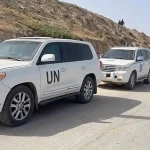
Even basic humanitarian aid faces obstacles. Israeli authorities have denied entry to critical medical equipment, including ICU beds, anaesthesia machines, and cold-storage units for vaccines. WHO has managed to bring in just 80 trucks of medical supplies since June.
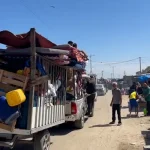
New displacement orders from Israeli forces threaten to worsen the crisis. WHO’s main Gaza City warehouse now sits in a military evacuation zone, along with healthcare facilities serving thousands of residents.
Four hospitals, an ambulance centre, and multiple medical points within 1,000 meters of the displacement area face an influx of evacuees needing treatment—adding to facilities already overwhelmed.
“We want to ensure hospitals are at least a little stocked up. We currently cannot do that,” Peeperkorn said, highlighting the impossible situation facing medical workers trying to save lives with dwindling resources.
The numbers tell the story of a population caught between starvation and violence: seeking food means risking death, but staying home means slowly dying of hunger. For Gaza’s hospitals, each choice produces more patients than they can possibly treat.