GAZA CITY — The fragile Gaza ceasefire faced a critical threat Sunday as Hamas declared that Israel’s assassination of one of its top military commanders could collapse the truce, demanding U.S. intervention to salvage the agreement.
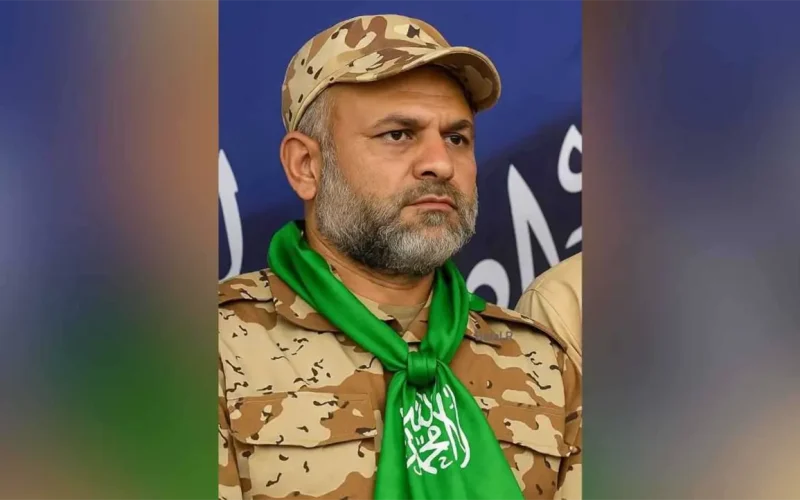
The killing of Raed Saed, described by Hamas sources as the second-in-command of the group’s armed wing, marked the highest-profile assassination of a Hamas figure since the U.S.-backed ceasefire took effect in October, according to Reuters.
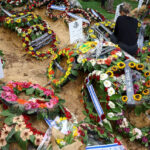
Thousands of Hamas supporters packed central Gaza City for Saed’s funeral, carrying coffins draped in green Hamas flags in one of the militant group’s largest public displays since the truce began. Mourners chanted “Martyrs are dear to God” as they buried Saed and three associates killed alongside him Saturday.
“The continued Israeli violations of the ceasefire agreement… and latest assassinations that targeted Saed and others threaten the viability of the agreement,” Hamas chief negotiator Khalil al-Hayya said in a televised address from exile.
Al-Hayya directly appealed to President Donald Trump, calling on the U.S. administration as the “main guarantor” to force Israeli compliance with the ceasefire terms.
Israel maintains that Saed was a key architect of the October 7, 2023, attack that triggered the war. Hamas said Saed oversaw “military manufacturing” and vowed the assassination would not deter the group from its armed struggle, announcing it had already named his replacement.
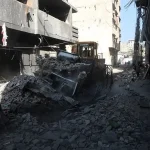
The ceasefire remains deadlocked over fundamental issues. Israeli forces continue occupying the depopulated eastern half of Gaza, while Hamas has reasserted control over the western sector where more than 2 million Palestinians live amid ruins. Israel demands that Hamas disarm and be excluded from Gaza’s future governance. Hamas refuses to surrender its weapons and insists on full Israeli withdrawal.
A U.S. Central Command conference scheduled for December 16 in Doha will plan an International Stabilisation Force for Gaza, U.S. officials told Reuters. Al-Hayya said the force should be restricted to Gaza’s border areas, not deployed inside the territory.
The violence extended beyond the Israeli strike. In central Gaza, gunmen killed Ahmed Zamzam, a senior officer in a Hamas-run security service that combats alleged Israeli collaborators. An anti-Hamas group called the Popular Forces, based in Israeli-occupied Gaza, claimed responsibility, calling it “fair revenge.” Hamas branded the attackers as collaborators acting on Israeli orders.
Hamas has not named an overall leader since Israel killed Yehya Al-Sinwar in 2024, instead operating under a five-member leadership council that includes al-Hayya.