ESCALATING violence in southern Lebanon and stalled Iran talks are unleashing a humanitarian catastrophe across the Middle East, with civilian deaths surging, mass displacement, and global trade choked—threatening food security and economic stability far beyond the frontlines—as UN agencies race to deliver aid under fire.
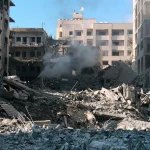
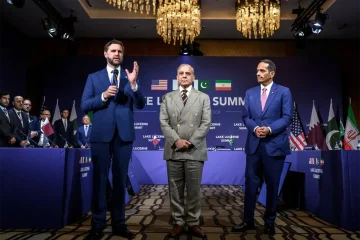
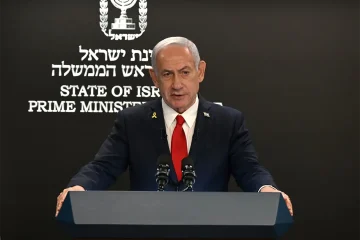
In Lebanon, Israeli ground operations intensify as the UN Security Council convenes Tuesday and Israeli-Lebanese envoys meet for the first time in Washington. Lebanese authorities report at least 2,089 deaths since March 2, with Israel’s military striking 150 Hezbollah positions in the past 24 hours alone, confirming one reservist killed and three injured. The bloodshed has spilled regionally, disrupting essential goods flows and fueling widespread devastation.
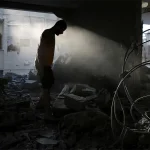
“Across Lebanon, grief, fear, and exhaustion hang heavy in the air. Families are still desperately looking for loved ones. New mothers cradle newborns, uncertain if safety will ever return,” Anandita Philipose, UNFPA representative in Lebanon, told reporters in Geneva. “Healthcare workers, already exhausted, are working through their own trauma to save others. The loss is immense.”
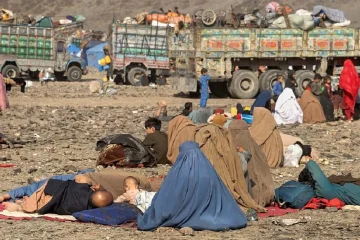
An estimated 13,500 displaced pregnant women require urgent maternal and reproductive health care, including 1,700 in constantly attacked southern Lebanon, Philipose said. Gender-based violence now endangers 620,000 displaced women and girls, with 1,355 women killed or injured since the conflict began; last Wednesday alone claimed 99 women and 31 children.
The crisis extends to Iran, where Pakistan-hosted talks collapsed without agreement, though reports hint at new US-Iran negotiations on Thursday. UN Secretary-General Antonio Guterres urged constructive dialogue, insisting all parties respect freedom of navigation—including in the closed Strait of Hormuz—per international law.
Breaking the blockade, the first cross-border medical shipments since fighting erupted left Ankara on Sunday for Iran. “International Federation of Red Cross Red Crescent Societies, in collaboration with the Turkish Red Crescent, is delivering life-saving medical supplies and humanitarian relief items from Türkiye to Iran, as humanitarian needs of the country continue to grow sharply,” IFRC spokesperson Tommaso Della Longa told reporters in Geneva.
The convoy carries Turkish Red Crescent relief items and IFRC advanced trauma kits. “This kind of operation highlights how humanitarian supply chains are adapting in real time under significant pressure, with sourcing shifted to Türkiye to prioritize speed and ensure that urgent medical needs can be met,” Della Longa said. He described Iran’s situation as “very difficult” with soaring medical and psychological needs, praising the Iranian Crescent’s “amazing job” in providing psychological care alongside “digging people out of buildings.”
As hostilities harden, these UN efforts underscore a grim reality: without de-escalation, the Middle East’s human toll – and global fallout – will only mount.