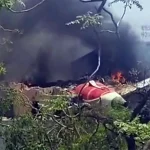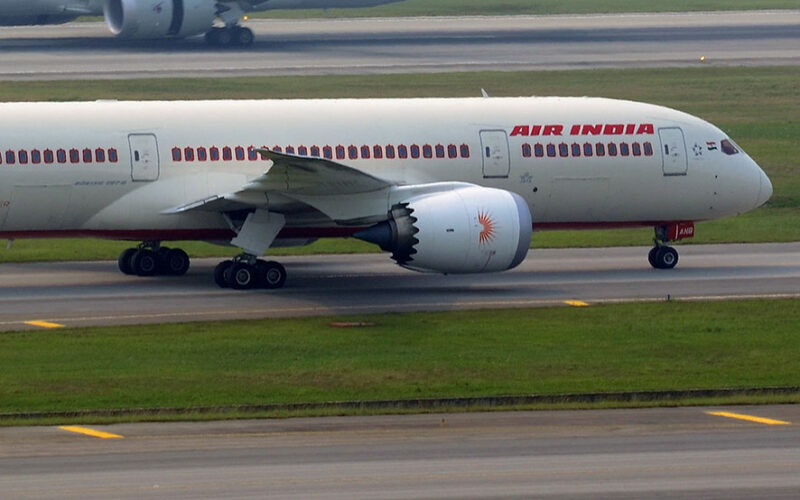
A catastrophic Air India Boeing 787 Dreamliner crash that killed all 260 people aboard last month has exposed a baffling sequence of events in the cockpit, with both engines losing power simultaneously after fuel cutoff switches were mysteriously activated just seconds after takeoff.
The preliminary report released by India’s Aircraft Accident Investigation Bureau reveals that confusion gripped the flight deck in the final moments, with cockpit voice recordings capturing one pilot asking the other why fuel had been cut off — only to receive a denial from his colleague.
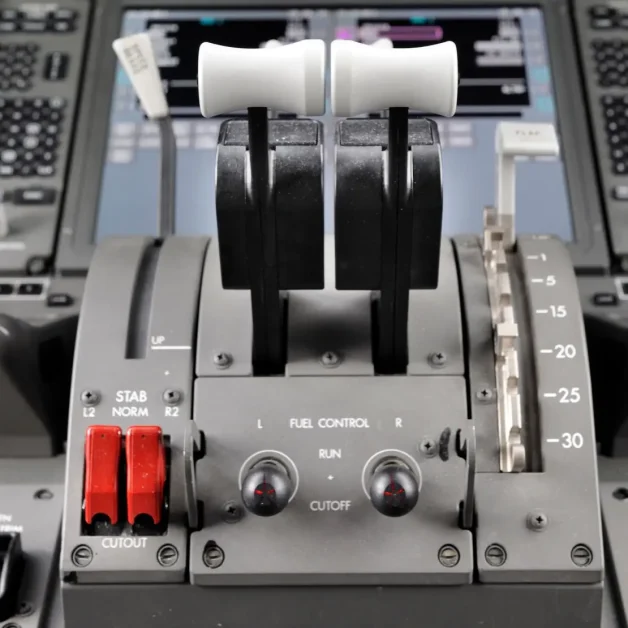
The switches moved from “run” to “cutoff” position within seconds of the aircraft’s departure from Ahmedabad, then back to “run” as the pilots desperately attempted to restart the engines. The aircraft plummeted to the ground before power could be restored.
“The investigation is far from over,” Air India CEO Campbell Wilson warned staff in an internal memo, cautioning against premature conclusions about the nation’s deadliest aviation disaster in recent memory.
The preliminary findings have failed to identify a definitive cause, with investigators ruling out mechanical failures or maintenance issues. The aircraft had undergone all required maintenance procedures, and both engines showed no pre-crash defects.
Captain Sumeet Sabharwal, the commanding pilot with over 15,600 flying hours and an Air India instructor, and co-pilot Clive Kunder, with more than 3,400 hours of experience, had both passed mandatory pre-flight breathalyzer tests and showed no medical issues.
The Federal Aviation Administration moved quickly to defend the safety of Boeing’s fuel control switches, despite the preliminary findings. The FAA referenced a 2018 advisory recommending inspections of locking mechanisms on these switches to prevent accidental activation — a precaution Air India had not undertaken.
“This does not imply the aircraft are unsafe,” the FAA emphasized, while reaffirming the switches’ safety record.
ALPA India, representing Indian pilots internationally, has strongly rejected any presumption of pilot error and demanded inclusion as observers in the ongoing investigation.
“We call for a fair, fact-based inquiry,” the group stated, pushing back against early speculation about crew culpability.
The focus on fuel cutoff switches has not yet triggered action against Boeing or General Electric, the engine manufacturer. However, the incident has intensified scrutiny of Air India’s broader operations.
The European Union Aviation Safety Agency has launched a separate investigation into Air India Express following revelations of delayed engine part replacements and falsified maintenance records on another aircraft, adding to the carrier’s mounting regulatory challenges.
The crash investigation continues as aviation authorities worldwide monitor developments in what has become one of the most perplexing air disasters in recent years. With no clear cause identified and critical questions remaining about how both fuel cutoff switches were simultaneously activated, the final report will be crucial for determining accountability and preventing future tragedies.
The families of the 260 victims await answers as investigators work to unravel the mystery that unfolded in those final, fatal seconds after takeoff.