
IN seven days of bombardment, Israel has driven nearly 700,000 people from their homes across Lebanon – a displacement wave so swift that government registration numbers jumped by more than 100,000 in a single day, with no end in sight.
The crisis has deepened amid the wider Middle East war, with 84 children already dead and more than 667,000 people uprooted, according to two United Nations agencies. The figures represent one of the fastest mass displacement events recorded in the region in recent memory.
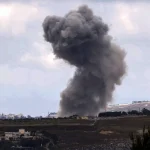
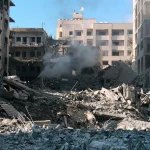
The escalation was triggered by intensified airstrikes and evacuation warnings issued on 2 March for residents in more than 53 villages and densely populated areas, forcing families to flee with little more than what they could carry.
“Lives have been upended on a massive scale,” Karolina Lindholm Billing, the UNHCR representative in Lebanon, told reporters in Geneva on Tuesday.
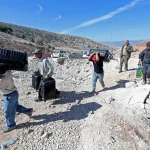
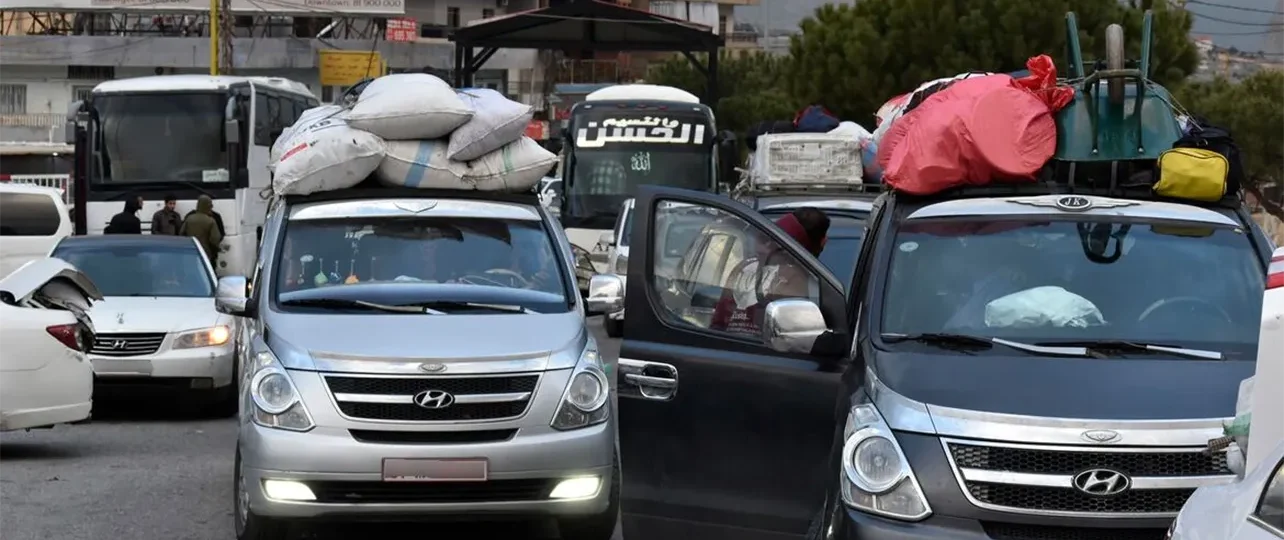
The human cost extends well beyond the numbers. Many of those now fleeing had already been displaced in 2024 – their homes destroyed then, their families fractured. “They leave immediately,” Billing said. “They are not waiting to see what happens next.” Cars line the streets of Beirut and the surrounding districts, with families sleeping in them. Others sleep on sidewalks. A woman in her nineties, encountered by Billing during a shelter visit, had lost eleven family members in the 2024 attacks – and now found herself displaced again, sheltering in the same school that had housed her the first time.
Of those displaced, approximately 120,000 are currently in government-designated collective shelters, while many others remain with relatives or friends, or are still searching for somewhere to stay.
The death toll is climbing. A total of 486 people have been killed since the escalation began, with 1,313 injured – 259 of them children. The WHO’s representative in Lebanon, Abdinasir Abubakar, said the concentration of strikes on urban centres explains why child casualties are so high. “This is only seven days of conflict, and we are already seeing that almost 100 children have lost their lives,” he said. “Most of the attacks are in urban centres, like Beirut.”
The violence has also spilled across borders. Syrian authorities report that more than 78,000 Syrians and over 7,700 Lebanese nationals have crossed into Syria since the latest escalation began – a grim inversion of the migration flows that defined the Syrian war a decade ago.
On the ground, UNHCR says it is racing against both the pace of displacement and its own depleted resources. The agency has delivered roughly 168,000 emergency items – mattresses, blankets, sleeping bags, solar lamps, jerry cans – to more than 63,000 displaced people across over 270 collective shelters. But the operation is haemorrhaging capacity. UNHCR’s Lebanon appeal is currently only 14 percent funded, a figure that UN officials called alarming given the trajectory of the crisis.
“Every day this conflict continues, more suffering is inflicted on hundreds of thousands of civilians, while Lebanon and the region are further destabilised,” Billing warned. “Civilians must be protected at all times, and safe, unhindered humanitarian access must be guaranteed.”
Lebanon entered the widening regional conflict this month after Hezbollah launched rockets and drones into Israel in solidarity with Iran, drawing sustained Israeli bombardment across the country. Israel says its strikes target Hezbollah military infrastructure. The UN says the pattern of attacks is killing civilians at scale.
With displacement registrations still rising and international donor response critically short, the UN’s warning is stark: the worst may not yet have arrived.