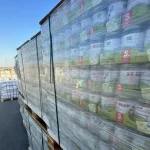
THE World Food Programme has distributed emergency food parcels to approximately one million people across Gaza, but supplies remain desperately inadequate three and a half weeks into a fragile ceasefire, UN humanitarians warned Tuesday.
The distributions fall well short of WFP’s target of reaching 1.6 million people, with each family receiving reduced rations sufficient for only 10 days, officials said during a briefing in Geneva.
“Supplies are still limited,” said Abeer Etefa, WFP Senior Spokesperson, speaking from Cairo. The agency is operating only 17 bakeries providing fresh bread to 700,000 people daily, with plans to expand to 25 bakeries.
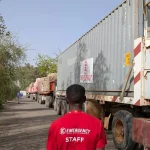
Access remains severely restricted, with only two border crossing points operational — Kerem Shalom in the south and Kissufim in central Gaza. No food aid convoy has reached northern Gaza via direct crossings since September 12, according to the UN aid coordination office OCHA.
The continued closure of northern crossings forces aid convoys to follow “a slow, difficult route from the south,” Etefa said, hampering efforts to stabilise markets and meet humanitarian needs.
In northern Gaza, where famine was declared in late August, hundreds of thousands of returnees face severely limited food access. Many have found their homes destroyed, while displaced populations in the south remain in tents without adequate food or services.
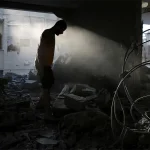
Speaking from Gaza, WFP Communications Officer Nour Hammad described “apocalyptic scenes” across the enclave, comparing the destruction from over two years of war to “the aftermath of an earthquake.”
While food is slowly returning to market shelves, prices remain prohibitive for families who have depleted resources during the conflict. “Today, for example, I buy one apple at the cost of a kilo before the war,” Hammad said.
Some 200,000 of the most vulnerable residents are receiving digital cash payments to purchase fresh food from local markets, complementing food basket distributions.
The precariousness of aid flows weighs heavily on residents. Hammad recounted meeting a displaced mother in Gaza City who, despite receiving assistance, warned her children against consuming rations immediately because “she cannot trust that tomorrow we’ll bring food too.”
“People need food. People need shelter, people need warm clothing because winter is around the corner, and they need continued support,” Hammad said.