By Eric Reidy
EVENTS in the Middle East are spinning toward a terrifying precipice with alarming speed. Following the relentless pace of expanding conflict, destruction, and death is both mind-bending and soul-crushing for anyone with some sort of connection to the region or who cares about the well-being of its people.
Amid the torrent, the fact that Israel has been waging total war against the entirety of the Gaza Strip and its population for one year now is at risk of somehow – unimaginably – being overshadowed.
Where is the time to take stock of what has already happened?
On 7 October last year, the Palestinian political and militant group Hamas, which has governed Gaza since 2006, launched an unprecedented attack into Israel, killing around 1,200 people – including many civilians – taking around 250 hostages, and shattering Israelis’ sense of security and trust in their armed forces and intelligence agencies.
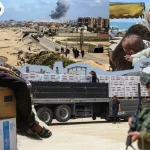
Almost immediately, Israel responded by unleashing one of the most devastating bombing campaigns in history on Gaza and completely besieging the enclave. The months that followed have seen repeated ground invasions, the continuation of relentless bombing, and only the slightest easing of the siege to allow in utterly inadequate amounts of aid and commercial goods.
The only brief pause in the war was negotiated at the end of November last year to allow for Hamas to release 110 hostages in exchange for 240 Palestinian prisoners and saw Israel momentarily allowing more aid into Gaza.
Other than that, the onslaught has continued unabated with repeated rounds of ceasefire talks coming to nought, reportedly largely due to Israeli Prime Minister Benjamin Netanyahu’s insistence on achieving what he calls “total victory”.
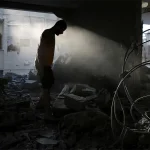
The failure – or refusal – to reach a ceasefire has paved the way for the current regional escalation and a seemingly unending war in Gaza, where more than 41,700 people have been killed in the past year – including over 16,000 children. A further nearly 100,000 people have been wounded, and over 10,000 are missing and presumed dead underneath the rubble, according to health authorities in the enclave.
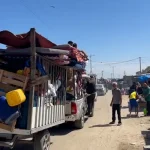
Around 1.9 million people – 90% of the population – have been forcibly displaced from their homes, many multiple times, and almost half a million people are facing catastrophic food insecurity while Gaza’s critical infrastructure, housing stock, economy, farmland, and fishing fleets have largely been laid to waste.
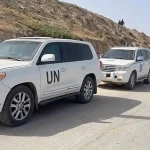
The totality of devastation has prompted multiple warnings from the UN and other monitoring groups that Israel’s actions are making Gaza unlivable. One year on, the overwhelming question is when and how will Israel’s war end, and what will be left when it is over.
Below is a collection of our coverage, chronicling the humanitarian impact of Israel’s assault, the factors stymying aid efforts, and the human experience of living through the war, as told by Palestinians for whom Gaza is home.
–––––
The New Humanitarian puts quality, independent journalism at the service of the millions of people affected by humanitarian crises around the world. Find out more at www.thenewhumanitarian.org.