THE U.S. Justice Department’s chaotic handling of the long-awaited Epstein files has triggered accusations of a cover-up, with critics across the political spectrum demanding answers about what they’re calling an unprecedented failure of governmental transparency.
What began as a historic document release – 300,000 pages from the Jeffrey Epstein investigation – quickly descended into controversy when the DOJ abruptly removed more than a dozen files from public view over the weekend, including photographs showing President Donald Trump with the deceased financier and convicted sex offender.
The subsequent reversal, after intense public backlash, has only deepened suspicions about what information the government may still be withholding.
A Pattern of Obstruction
The controversy centres on several troubling elements that have fueled allegations of a systematic cover-up:
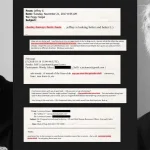
Nearly 700 pages were released completely blacked out, offering no information whatsoever. Hundreds of additional pages featured heavy redactions, with women’s faces obscured in photographs. Most damningly, files that were initially made public on Friday were suddenly pulled from the archive without explanation.
The most controversial removal involved a photograph from Epstein’s desk drawer showing Trump with four women in swimwear, alongside another image depicting Trump with his wife, Melania, Epstein, and Ghislaine Maxwell from February 2000.
Deputy Attorney General Todd Blanche initially defended the removal by citing concerns about the women’s identities, claiming the department wanted to protect potential victims. But hours later, following a storm of criticism and accusations of political interference, the DOJ reversed course and restored the image, stating there was no evidence any Epstein victims appeared in the photograph.
The explanation satisfied virtually no one.
Bipartisan Condemnation
The handling of the files has united political opponents in rare agreement that something is deeply wrong with the release process.
Senator Dick Durbin, the ranking Democrat on the Senate Judiciary Committee, announced he would investigate the overuse of redaction, stating bluntly that the Trump administration was violating federal law to protect the rich and powerful.
But criticism extended beyond partisan lines. Republican Representative Thomas Massie declared the limited release grossly failed to comply with both the spirit and letter of the law. Democrats on the House Oversight Committee responded to the photo removal by asking what else was being covered up.
Even some Trump supporters have expressed frustration, questioning why the President has not fulfilled his promise to release the full official investigation files.
The Victims Speak Out
Perhaps the most searing criticism came from those who suffered at Epstein’s hands. Marina Lacerda, who was abused from age 14 until she was deemed too old at 17, called the redactions a slap in survivors’ faces.
Speaking to Sky News, she expressed shock at the lack of transparency, noting there was nothing in the release that provided real accountability.
The concerns of victims carry particular weight given the circumstances of the case. Virginia Giuffre, Epstein’s most famous victim, was recruited from Trump’s Mar-a-Lago club in Palm Beach. Trump himself moved in the same social circles as Epstein for decades in New York and Florida, though he has sought to distance himself from those connections.
A Grand Jury Document Restored—Partially
Under mounting pressure, the Justice Department did make one significant concession. A 119-page grand jury document that was initially released entirely blacked out was re-released late Saturday with minimal redactions, though critics note this represents a tiny fraction of the withheld material.
The department posted on social media that documents and photos would continue to be reviewed consistent with the law and with an abundance of caution for victims and their families. But that statement has done little to quell the controversy.
When Redaction Backfires
In some cases, the aggressive redaction strategy may have created the very problem it purported to solve. One photograph showing singers Michael Jackson and Diana Ross alongside three blacked-out figures initially suggested they had met with Epstein victims.
In reality, the image was already publicly available, and the obscured individuals were Jackson’s children and Ross’s son—none of whom had any connection to Epstein’s crimes. The unnecessary redaction only fueled speculation and conspiracy theories.
The Broader Context
The files released Friday contained hundreds of photographs, some apparently taken by Epstein himself and others by the FBI during raids on his properties. They included images of various celebrities and public figures who had associated with Epstein, including former President Bill Clinton, Mick Jagger, and Richard Branson.
The release came only after Congress imposed a Friday deadline, which critics note was only partially met despite the legal requirement for full disclosure.
What Comes Next
The White House has defended the administration’s handling of the release, claiming it has done more for victims than Democrats ever have and emphasising its cooperation with Congress. Trump himself has not commented on the latest files.
But the controversy shows no signs of abating. With both political parties demanding greater transparency and victims’ advocates calling for full disclosure, the pressure on the Justice Department to release unredacted files will likely intensify.
The fundamental question remains unanswered: In a case that has already seen unprecedented secrecy, suspicious deaths, and allegations of conspiracy reaching the highest levels of power, can the American public trust that they are being told the full truth about Jeffrey Epstein’s crimes and his connections to the powerful?
For survivors like Marina Lacerda and countless others, the heavily redacted release represents not transparency but its opposite—another chapter in what some are calling the mother of all cover-ups.