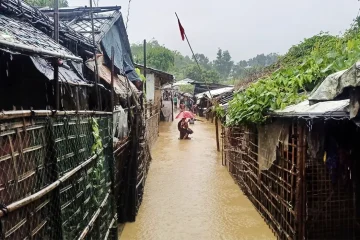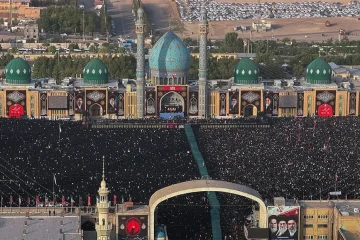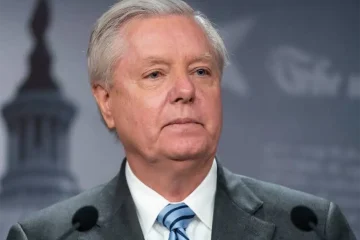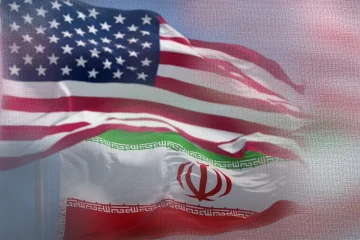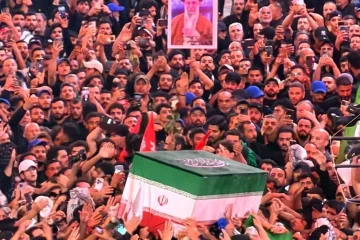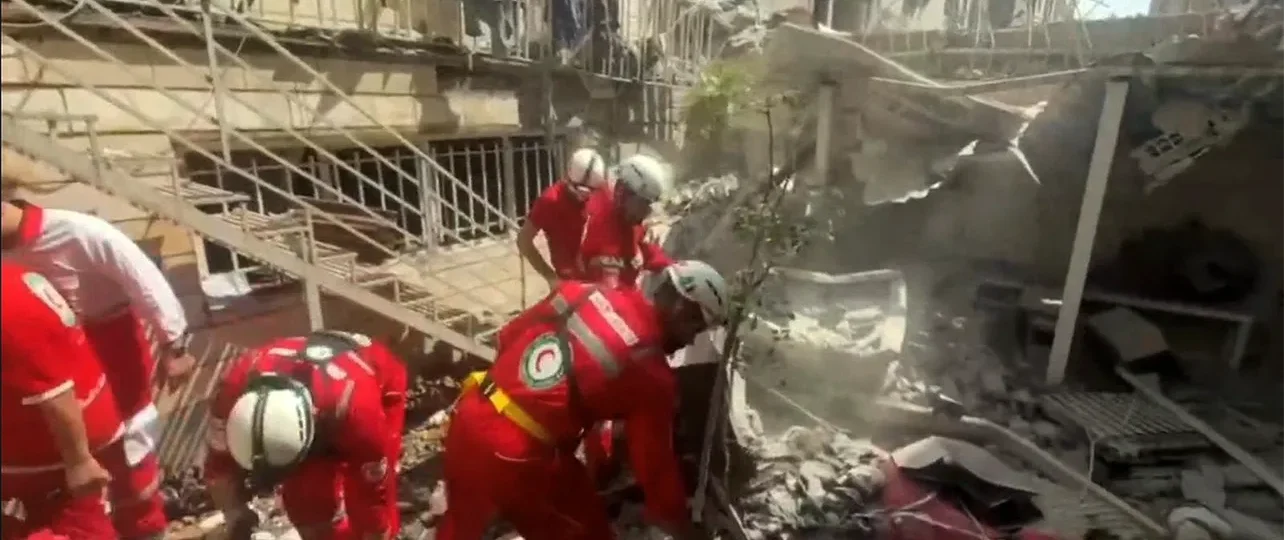

THE United Nations Human Rights Council convened in Geneva to confront what independent experts are calling an accelerating humanitarian catastrophe in Iran, now nearly three weeks into a military campaign launched by the United States and Israel that has claimed more than 1,000 civilian lives and displaced three million people.
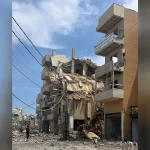
Sara Hossein, chair of the Independent International Fact-Finding Mission on Iran, told the Council that the aerial campaign — initiated on 28 February and ostensibly targeting military installations and nuclear facilities — has struck residential neighbourhoods, oil depots and a desalination plant, causing what she described as “severe harm” to the civilian population.
“On the very first day of the war, airstrikes destroyed a school in Minab in southern Iran, killing more than 168 people — the vast majority of them girl students, many as young as seven years old,” Hossein said. She expressed alarm at statements from US officials suggesting that established rules of engagement do not apply in the current conflict.
“Ordinary Iranian people are caught between a large-scale military campaign by two countries and ongoing repression by their own government.”
Sara Hossein, Chair, UN Fact-Finding Mission on Iran
The Council’s Special Rapporteur on Iran, Mai Sato, corroborated the death toll and warned of cascading environmental consequences. Strikes on oil infrastructure have generated toxic pollution in a country she said was already facing acute water shortages. Sato also raised concern that the absence of functioning air raid sirens and bomb shelters in many Iranian urban centres had left civilians dangerously exposed.
TEHRAN’S TOLL: 1,300 DEAD, 7,000 WOUNDED
Iran’s Ambassador to the UN in Geneva, Ali Bahreini, delivered a direct rebuke to the international community, placing the Iranian government’s death toll at more than 1,300 people killed and over 7,000 wounded — including a six-month-old infant. “The international community must not remain silent,” Bahreini said.
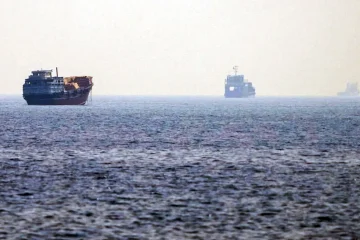
The conflict has now spread across nearly a dozen nations in a region already fragmented by years of war and political instability. Iran has launched counter-strikes against Gulf states, while Israeli forces continue to shell Hezbollah targets in Lebanon in response to attacks by the armed group.
GULF STATES PUSH BACK; COUNCIL DIVIDED
The Council session exposed sharp geopolitical fault lines. Speaking on behalf of the Gulf Cooperation Council and Jordan, Bahrain’s Ambassador Abdullah Abdulatif Abdullah condemned Iranian strikes on Gulf nations, accusing Tehran of targeting civilians and critical infrastructure. The bloc welcomed Security Council Resolution 2817, adopted on 11 March and backed by 136 UN member states, which condemned Iran’s cross-border attacks.
The Gulf ambassador rejected the findings of both the Special Rapporteur and the Fact-Finding Mission, disputing their characterisation of Iranian strikes as retaliatory. “There is no legal justification for such assaults, and there is no way to legitimise those illegal acts under international law,” he said.
The Philippines, speaking on behalf of ASEAN, added its voice to calls for restraint. “This spiral of armed conflict has already claimed many innocent lives, including those of children. This cannot and should not be normalised,” the bloc’s statement read.
AN AFRICAN LENS ON A GLOBAL CRISIS
For Africa and the broader Global South, the conflict carries consequences well beyond the Middle East. Disruptions to Iranian oil supply chains have accelerated fuel price increases across the continent, compounding existing economic pressures. The destruction of Iranian desalination and water infrastructure also raises longer-term concerns about regional food security and migration flows that African states will be ill-equipped to absorb.
The Council’s proceedings underscore a deepening fracture in the international rules-based order. Independent UN experts are documenting potential war crimes in real time, while permanent members of the Security Council remain among the conflict’s principals. For nations of the Global South watching from the sidelines, the crisis poses a fundamental question: when the architects of international law become its greatest violators, who holds the line?