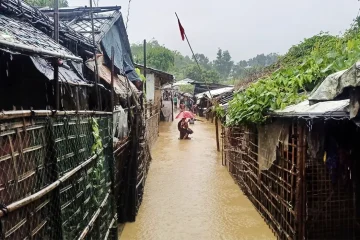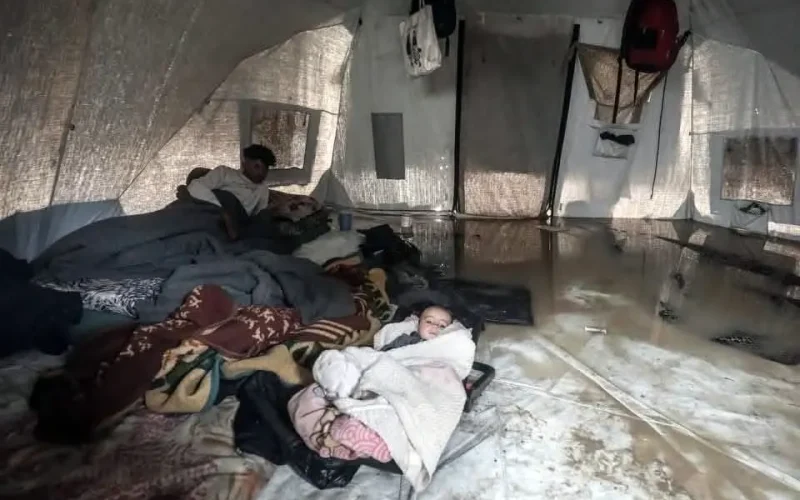
AT least ten people have died in the past 24 hours from heavy rains battering the Gaza Strip, as Storm Byron tears through a population already devastated by 14 months of conflict and a crippled health system, the World Health Organisation has reported.
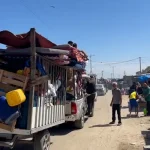
Two infants under five succumbed to hypothermia this week as thousands of displaced families shelter in flimsy tents along exposed coastal areas with no drainage or protective barriers. More than 4,000 people are living in high-risk zones along the Khan Younis shoreline alone, according to WHO Representative Dr Rik Peeperkorn, speaking from Gaza.
The storm has deepened what health officials describe as an unfolding medical catastrophe, with Gaza’s 2.3 million residents facing winter without adequate shelter, functioning hospitals, or basic medical equipment.
Health System on the Brink
Only 18 of Gaza’s 36 hospitals remain partially functional, along with 43 percent of primary health-care centres. The territory has no MRI machines and just two CT scanners to serve its entire population.
“Medical supplies must be given a blanket approval to enter Gaza and be expedited so urgent needs can be addressed,” Dr Peeperkorn said, citing severe shortages of essential medicines for heart disease treatment, kidney transplantation, hemodialysis, and intensive care surgery.
WHO faces particular challenges bringing laboratory reagents and critical equipment into Gaza, as many items are denied entry because they are classified as “dual-use” — materials that could theoretically have both civilian and military applications.
Despite these obstacles, Shifa Hospital in Gaza City has resumed operations as a partially functional tertiary care facility, a testament to what Dr Peeperkorn called the “quality and ingenuity” of health workers operating under immense pressure.
Deadly Wait for Medical Evacuation
Ministry of Health records show 1,092 patients died while awaiting medical evacuation between July 2024 and November 28, 2025 — a figure officials acknowledge is likely underreported. More than 18,500 patients, including 4,096 children, still require evacuation for specialised treatment unavailable in Gaza.
WHO has called on more countries to accept patients from Gaza and for medical evacuation routes to the West Bank, including East Jerusalem, to be restored.
Winter Health Crisis Looms
Health officials warn that winter conditions combined with poor water, sanitation, and shelter will drive a surge in acute respiratory infections, hepatitis, and diarrheal diseases. Children under five, elderly residents, and those with chronic illnesses face the greatest risk.
WHO is distributing supplies to help keep newborns and mothers warm in hospitals, including breastfeeding support items and materials for skin-to-skin care to protect premature and low-birth-weight infants.
More than a quarter of the 70,000 Gazans injured during the conflict will require lifelong assistive technology, Dr. Peeperkorn noted. According to UNICEF figures he cited, 82 children have been killed since October 10.
Dr. Peeperkorn, who has served as WHO representative in the occupied Palestinian territory since March 2021, emphasized that the partial functionality of Gaza’s health system has come “at an enormous material and human cost, including for WHO.”
As Storm Byron continues to batter the coastal enclave, the convergence of natural disaster and humanitarian crisis threatens to overwhelm a population with nowhere left to turn.