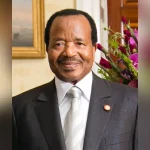
A member of Cameroon’s influential first family has come out as a lesbian and advocating for legal reforms in her home country.
Brenda Biya, 27, daughter of long-serving President Paul Biya, shared her experiences living abroad and expressed hope for changes to certain laws in Cameroon.
Speaking from her current residences in the United States and Switzerland, Biya revealed aspects of her private life that have sparked widespread discussion in Cameroon. In an interview with French newspaper Le Parisien, she addressed the country’s legal system, particularly focusing on laws that carry severe penalties for certain personal relationships.
“It may be too soon for it to disappear completely, but it could be less strict. We could first eliminate the prison sentence,” Biya stated, referring to existing legislation that can result in up to five years of imprisonment for some individuals based on their personal lives.
Biya shared her motivations, saying, “There are plenty of people in the same situation as me who suffer because of who they are. If I can give them hope, help them feel less alone, if I can send love, I’m happy.”
The announcement has led to intense debate within Cameroon. Many are questioning how Biya’s statements might impact the country’s legal landscape, given her family’s prominent position. She noted that some of the laws in question predate her father’s presidency, which began in 1982.
As discussions continue, LGBQ+ activists in Cameroon remain anxious to see how Biya’s advocacy might influence policy discussions in the country. The situation highlights the complex interplay between personal freedoms, cultural norms, and legal frameworks in many African nations.