IN a significant political development, one of Africa’s powerful political sons has abandoned his presidential bid and thrown his weight behind his father, potentially paving the way for one of Africa’s longest-serving heads of state to extend his rule.
Reuters reports that Muhoozi Kainerugaba, son of Uganda’s President Yoweri Museveni, announced on Saturday his decision to withdraw from the 2026 presidential race. Instead, he urged his supporters to back his father’s re-election bid.
“I would like to announce that I will not be on the ballot paper in 2026,” Kainerugaba stated on the social media platform X, formerly known as Twitter. “I fully endorse President Yoweri Museveni in the next elections,” he added, encouraging his supporters to back his father for a potential seventh term.
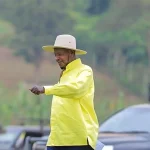
President Museveni, who has led Uganda for 38 years, is widely anticipated to seek re-election, although he has not officially confirmed his candidacy. At 80 years old, Museveni has already altered the constitution twice to extend his tenure.
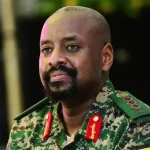
Reuters reports that Kainerugaba, currently serving as the head of Uganda’s military, has long been viewed as his father’s likely successor. However, he is also known for making controversial statements, including a 2022 incident where his father had to apologize to Kenya after Kainerugaba threatened to invade the neighboring country on Twitter.
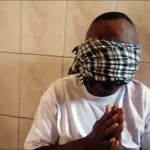
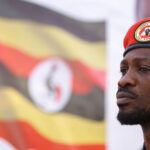
According to Reuters, the opposition in Uganda has consistently accused Museveni of attempting to establish a monarchy, an allegation the president denies. Human rights activists and political opponents, including pop star turned politician Bobi Wine, have accused Museveni’s regime of using security forces to jail, intimidate, or torture opposition supporters. Museveni refutes these accusations.
In the 2021 presidential election, Bobi Wine finished second but rejected the results, citing ballot stuffing, intimidation, and abductions of his supporters. Museveni, however, declared it Uganda’s fairest election to date.
This political maneuver by Kainerugaba potentially sets the stage for his father to further solidify his position as one of Africa’s longest-serving leaders, raising questions about the future of democracy in the region.