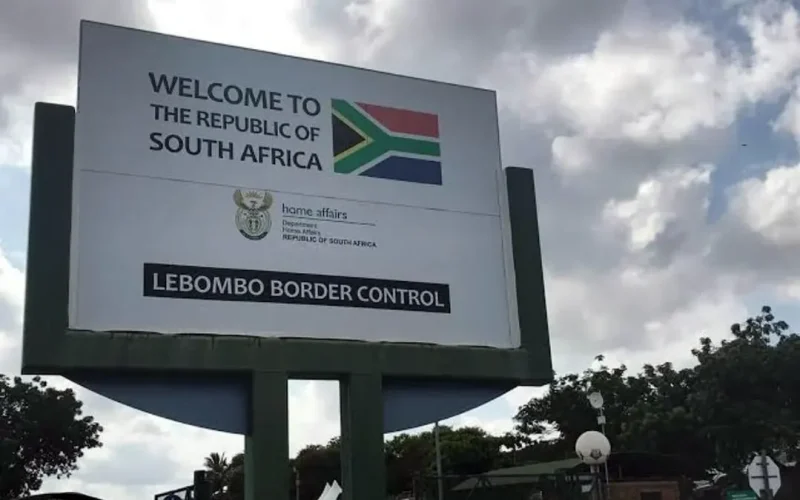
IN a significant turn of events, South Africa has partially reopened its critical Lebombo border crossing with Mozambique, offering a lifeline to an economy strangled by political turmoil. The reopening marks a crucial development in a crisis that has seen hundreds of cargo trucks stranded, vital supply lines severed, and millions in trade threatened across southern Africa.
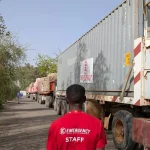
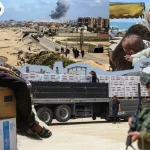
The border, a vital artery for regional commerce, had become a stark symbol of Mozambique’s deepening political crisis. Hundreds of trucks, carrying everything from essential supplies to valuable exports bound for Maputo’s strategic port, found themselves caught in a dangerous limbo. The sight of looted and torched vehicles along the route served as a grim testament to the violence that forced South African authorities to initially seal the crossing.
“The port is now open for cargo movement,” announced the Border Management Authority, marking a cautious return to normalcy after Mozambican officials worked through the night to restore processing systems. Yet the economic wounds run deep. The closure has already inflicted significant damage on both nations’ economies, with businesses reporting substantial losses and supply chains facing continued disruption.
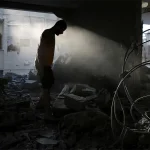
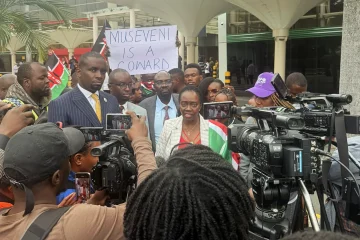
Behind the headlines of reopened borders and resumed trade lies a humanitarian crisis that continues to unfold. The death toll has climbed to 21, with scores more injured in protests that have seen demonstrators burn tyres and block roads in defiance of Frelimo’s contested election victory. The government’s response – tear gas, live ammunition, and internet restrictions – has drawn sharp criticism from human rights organizations and the international community.
The unrest stems from deep-seated grievances against Frelimo, the party that has maintained an unbroken grip on power since 1975. Opposition supporters, claiming electoral fraud, have taken to the streets in numbers not seen in recent years, their protests reflecting not just political dissatisfaction but economic frustration in a country where poverty remains endemic despite significant natural resources.
For the truckers and traders whose livelihoods depend on the smooth flow of goods across this crucial border, the partial reopening brings cautious optimism. Yet the broader crisis continues to cast a long shadow over Mozambique’s future. As cargo begins to move again, the fundamental questions about democracy, governance, and economic justice that sparked these protests remain unanswered.
The reopening of Lebombo represents more than just the resumption of trade – it’s a critical pressure valve for a region where political stability and economic prosperity are inextricably linked. Yet as trucks begin to roll across the border once again, they do so under the watchful eyes of security forces and amid the smoldering remains of vehicles that serve as stark reminders of the violence that brought this vital crossing to a standstill.
For Mozambique, the path forward remains uncertain. While trade may be resuming, the underlying tensions that sparked this crisis continue to simmer, threatening both the nation’s stability and its economic future. The international community watches closely, knowing that the resolution of this crisis could determine the trajectory of not just Mozambique, but the entire region’s development for years to come.